















What you'll see in nine hours
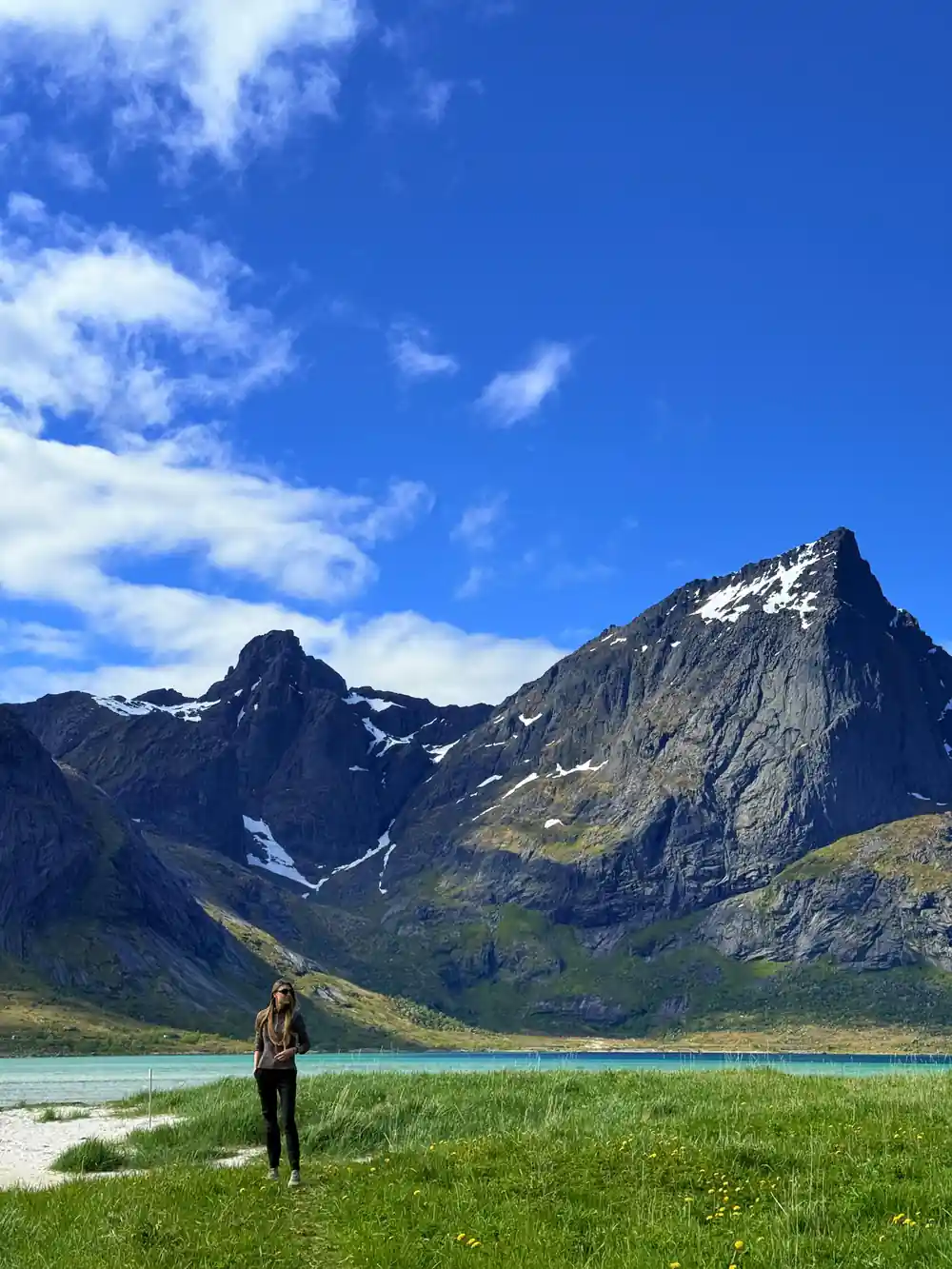
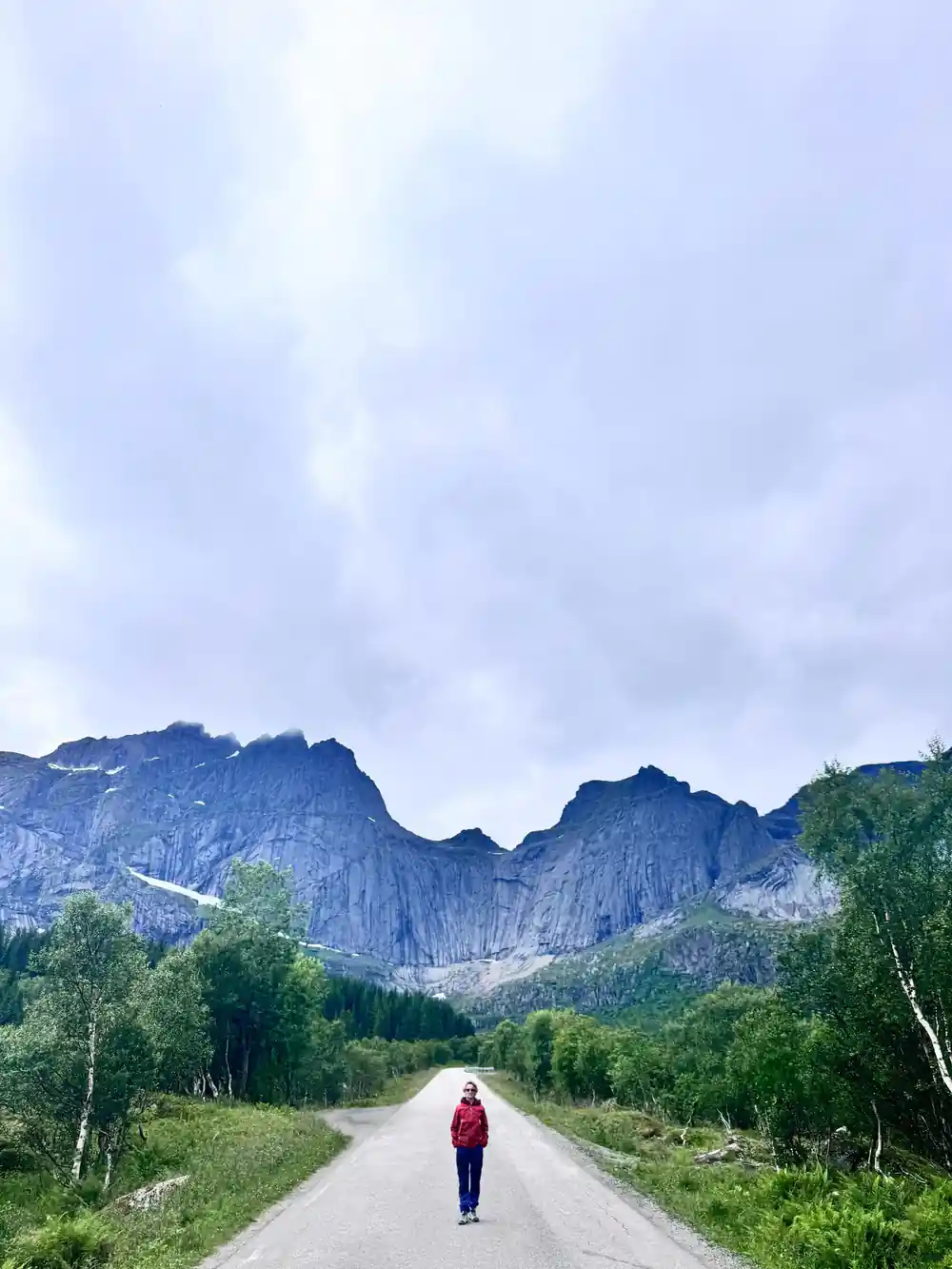
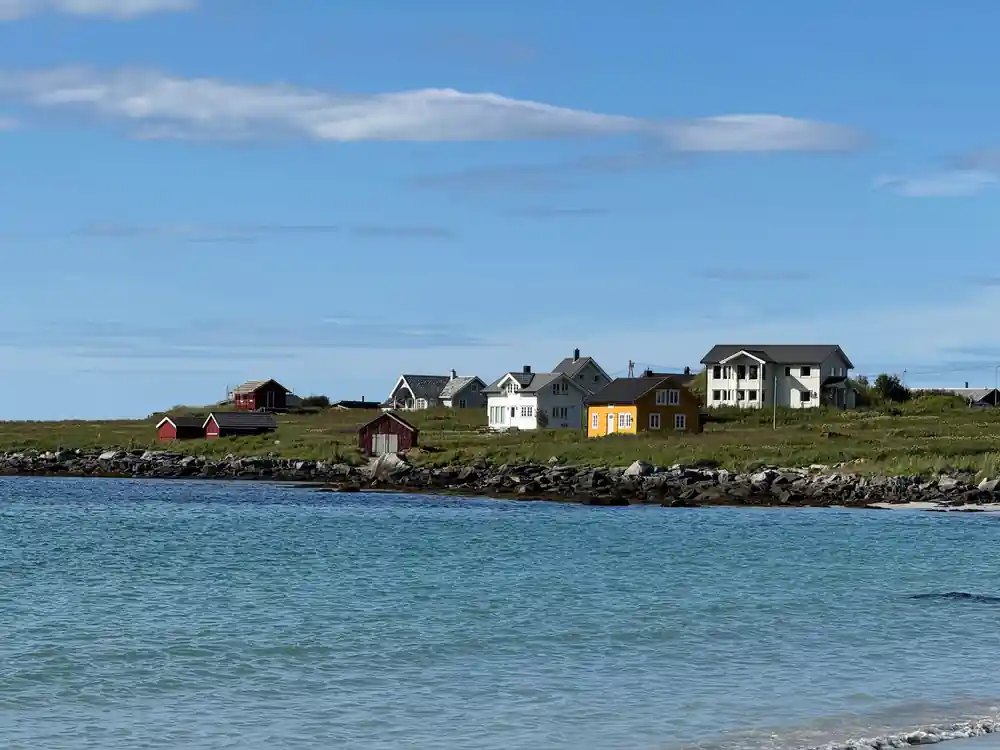
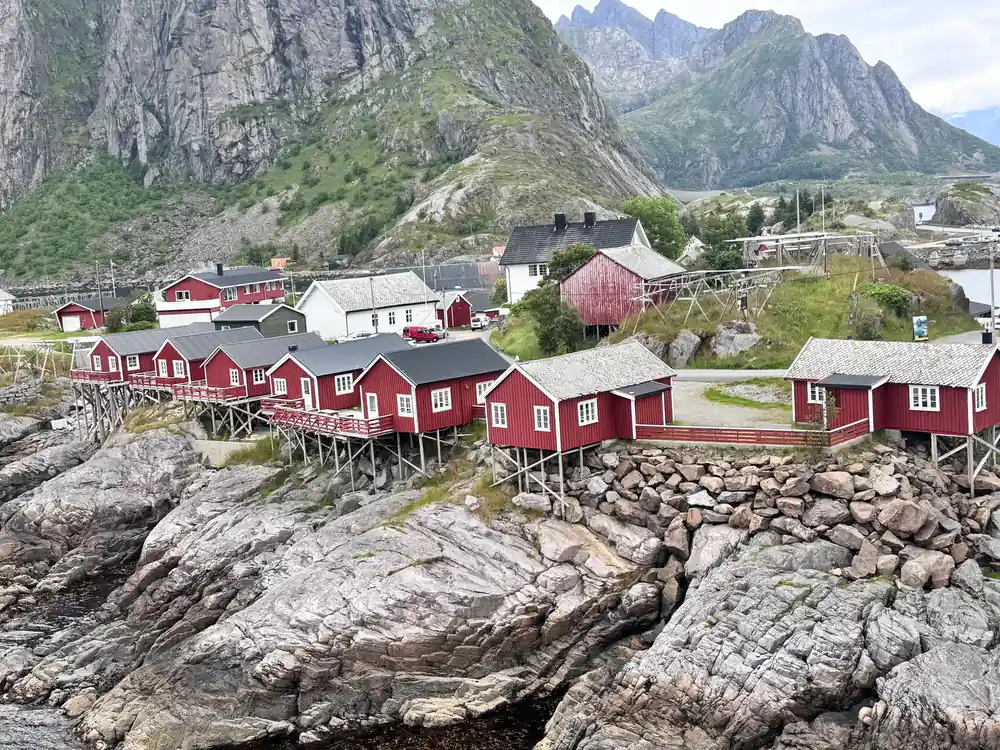
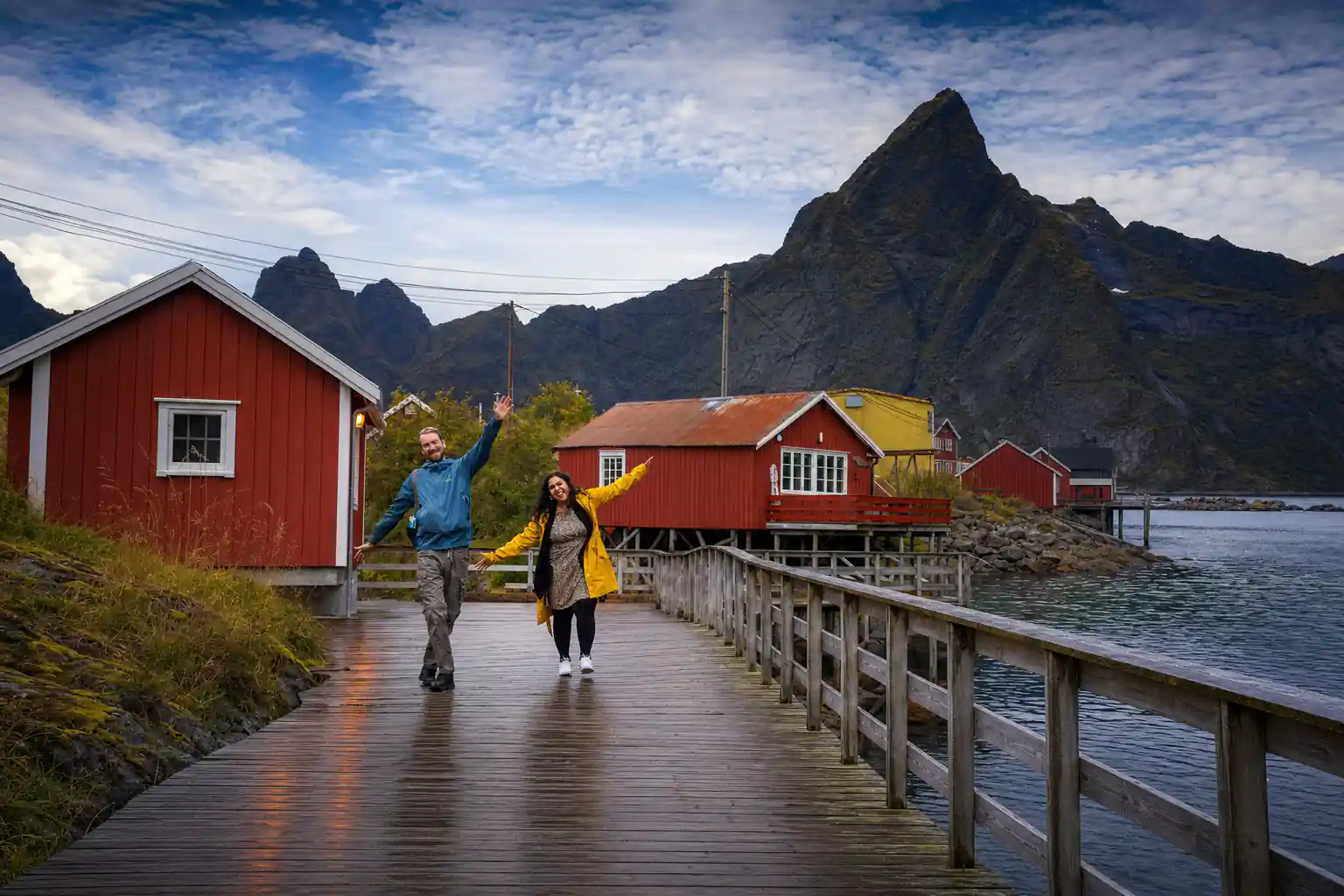
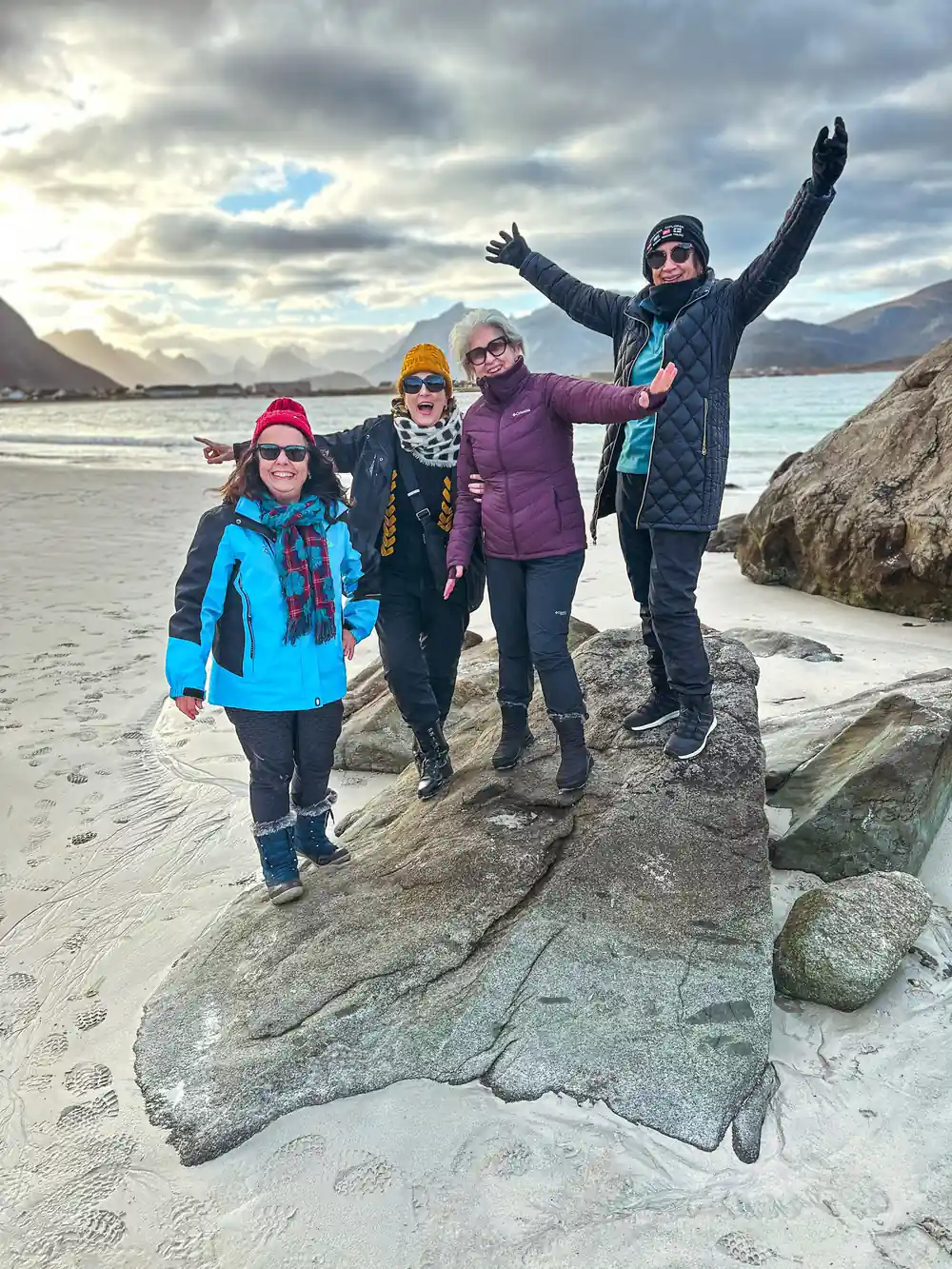
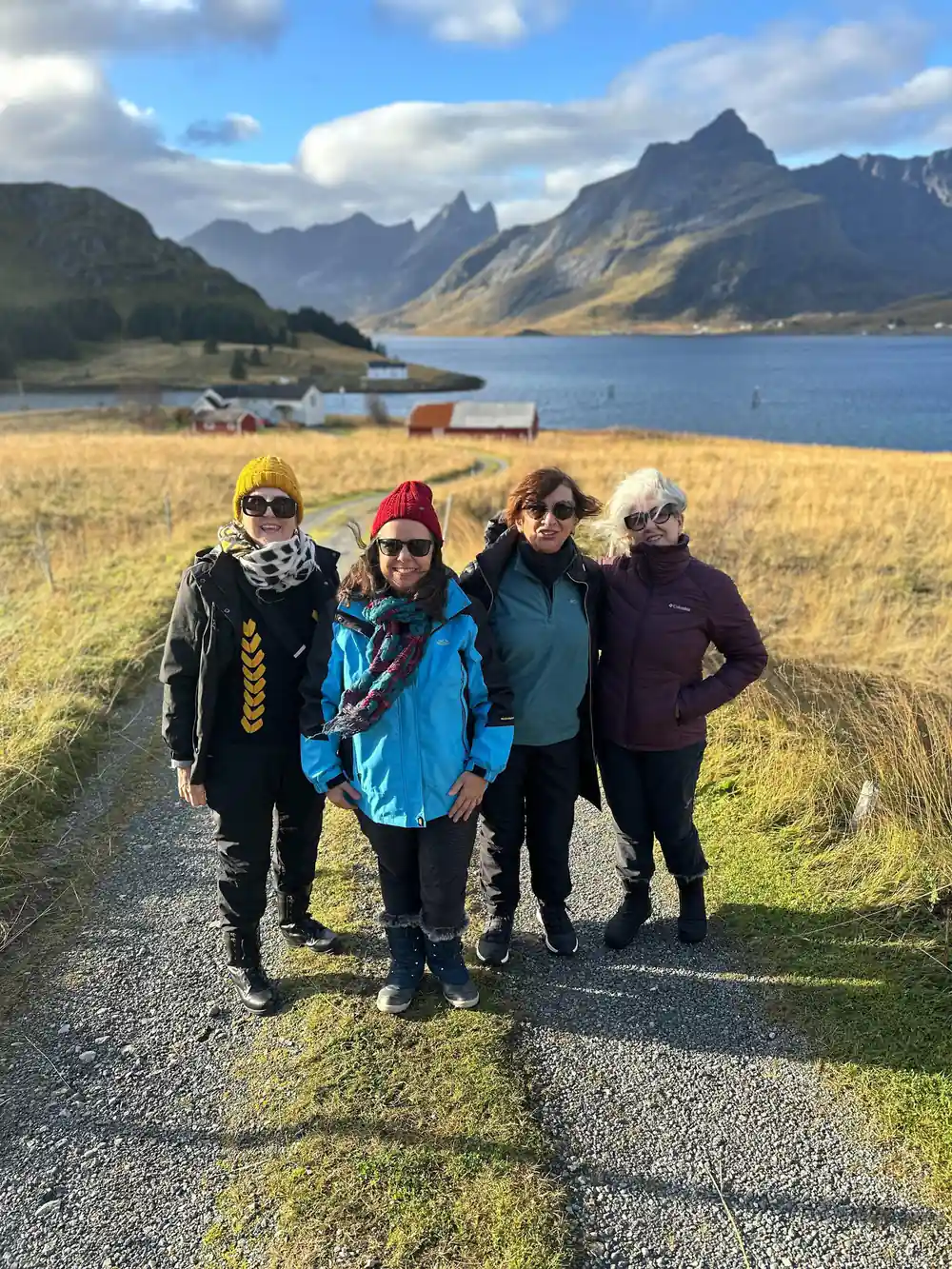
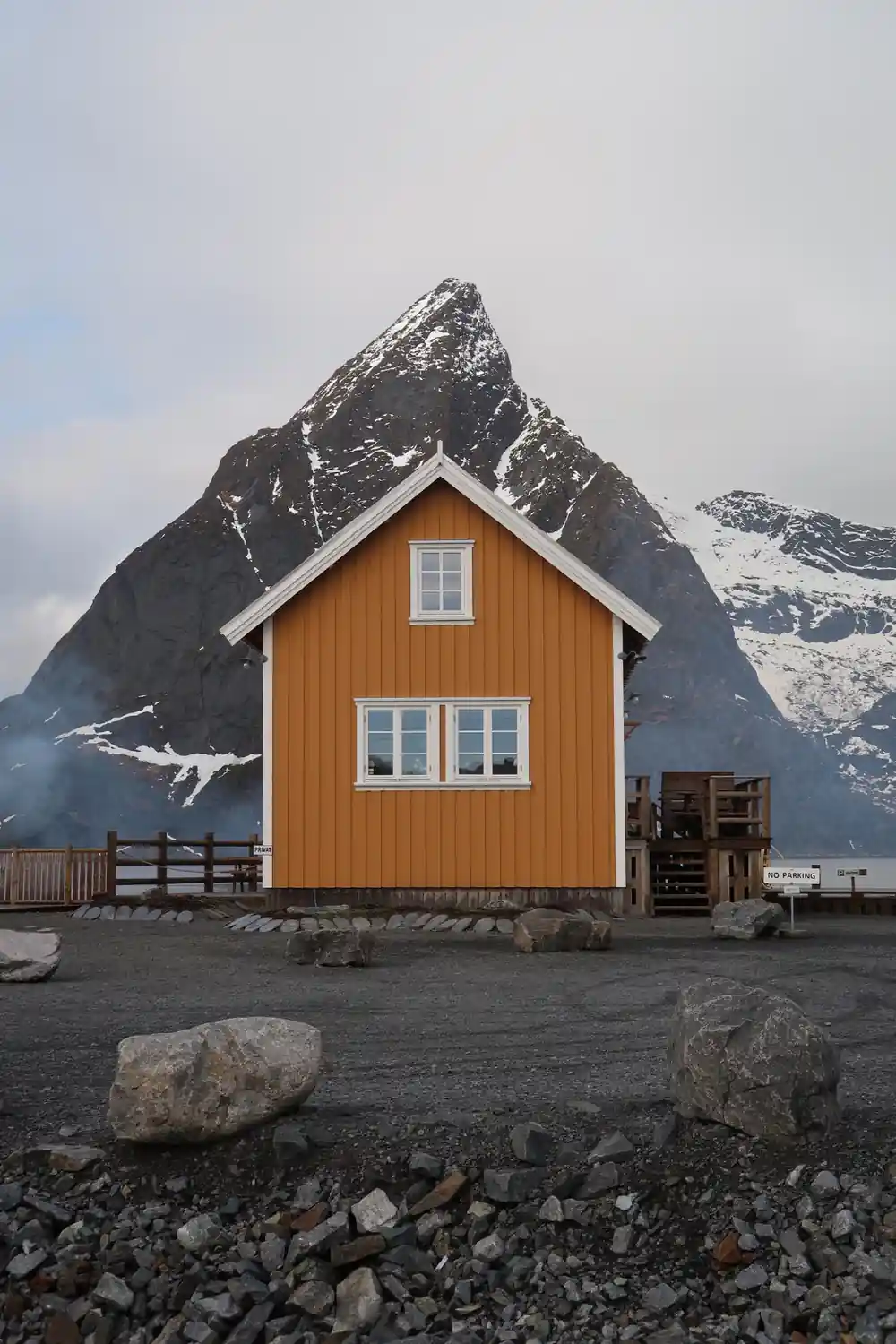
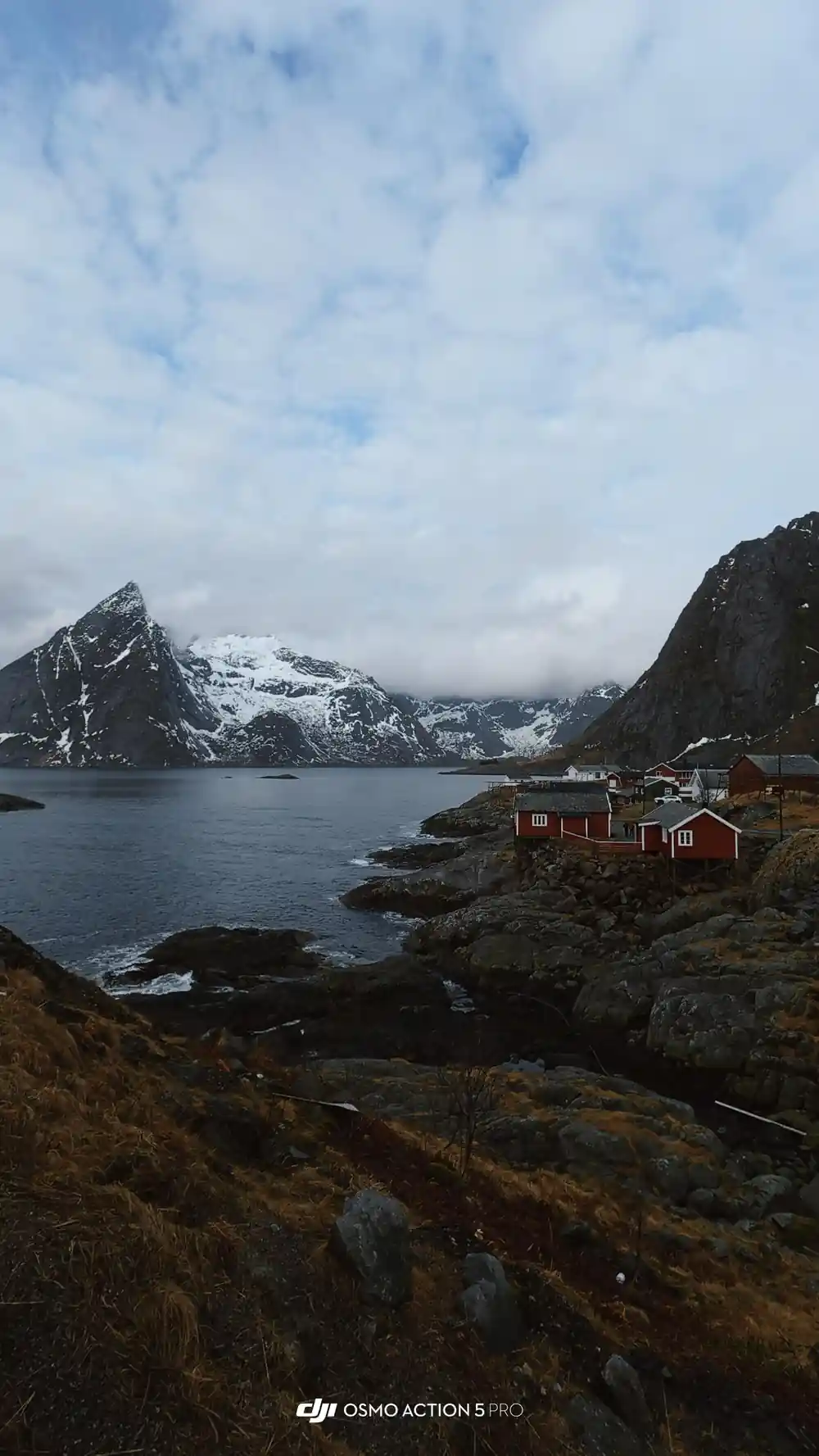
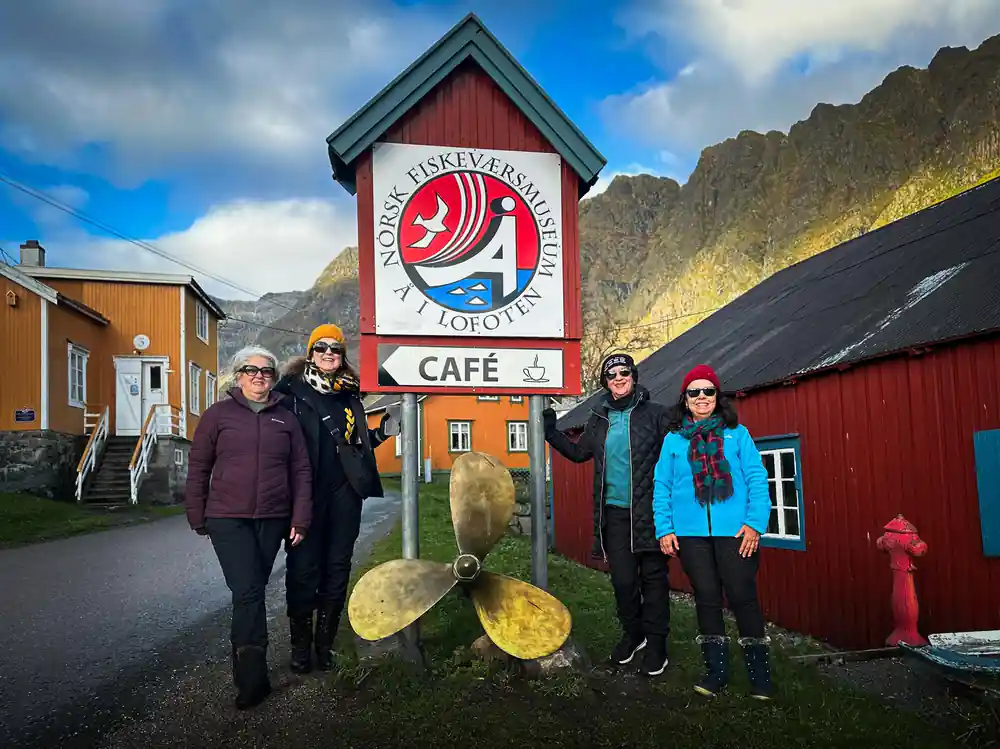
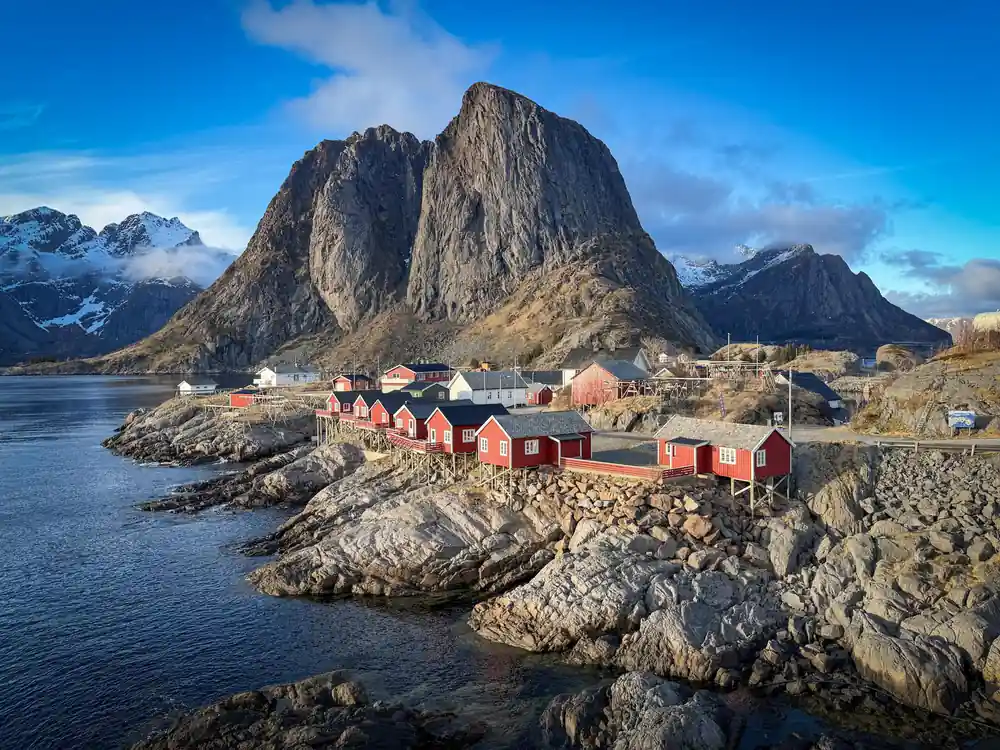
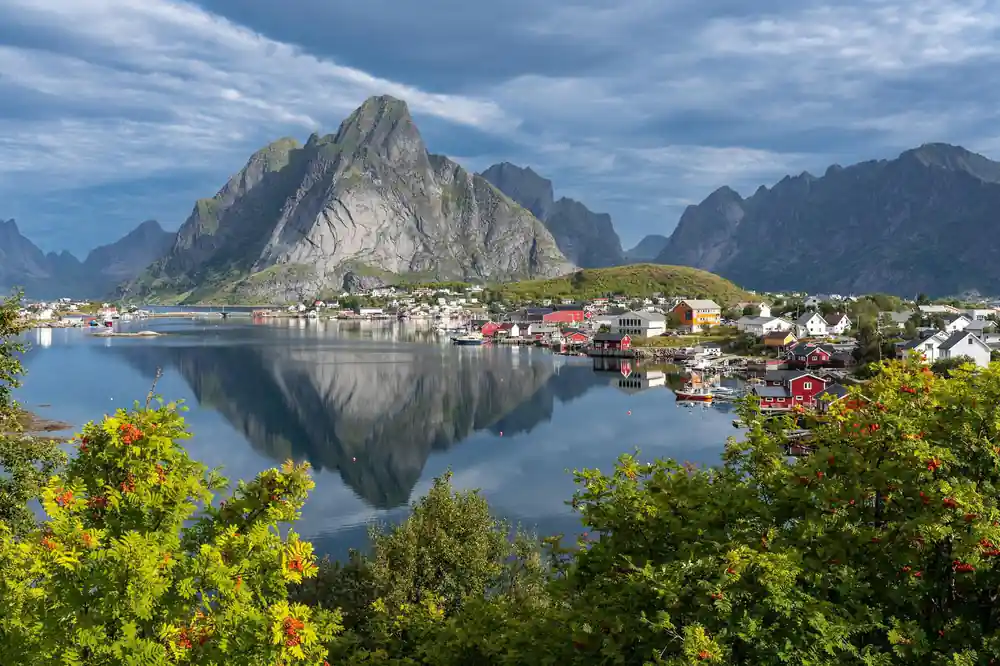
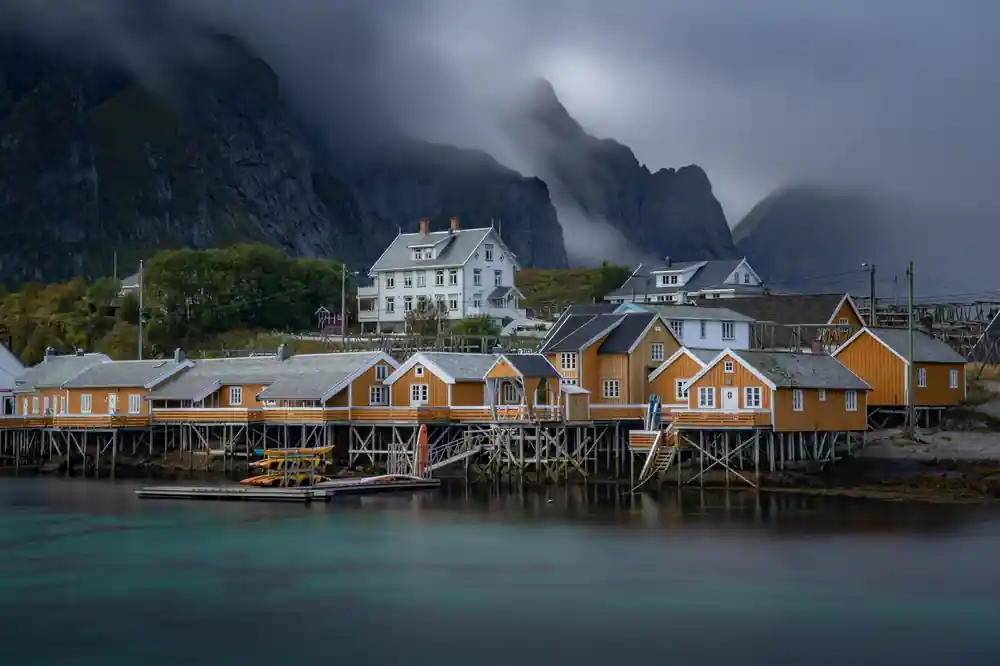
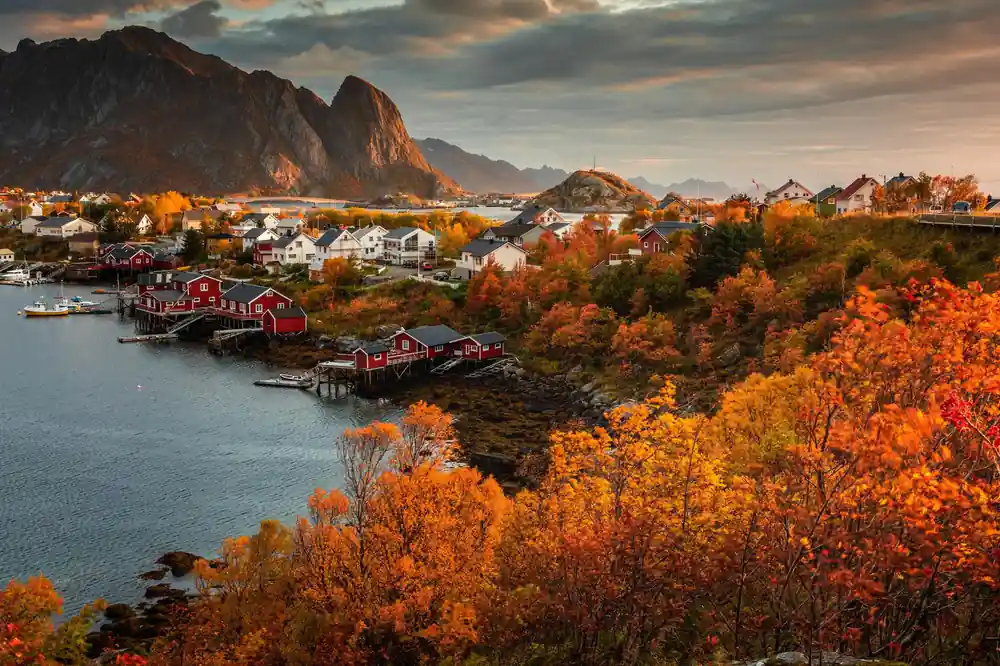
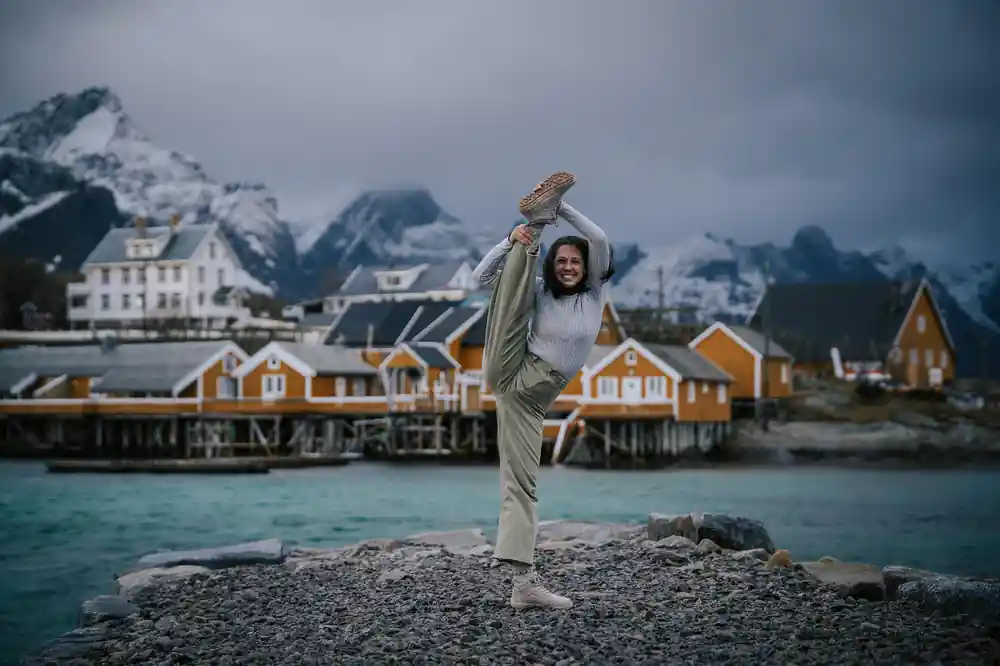
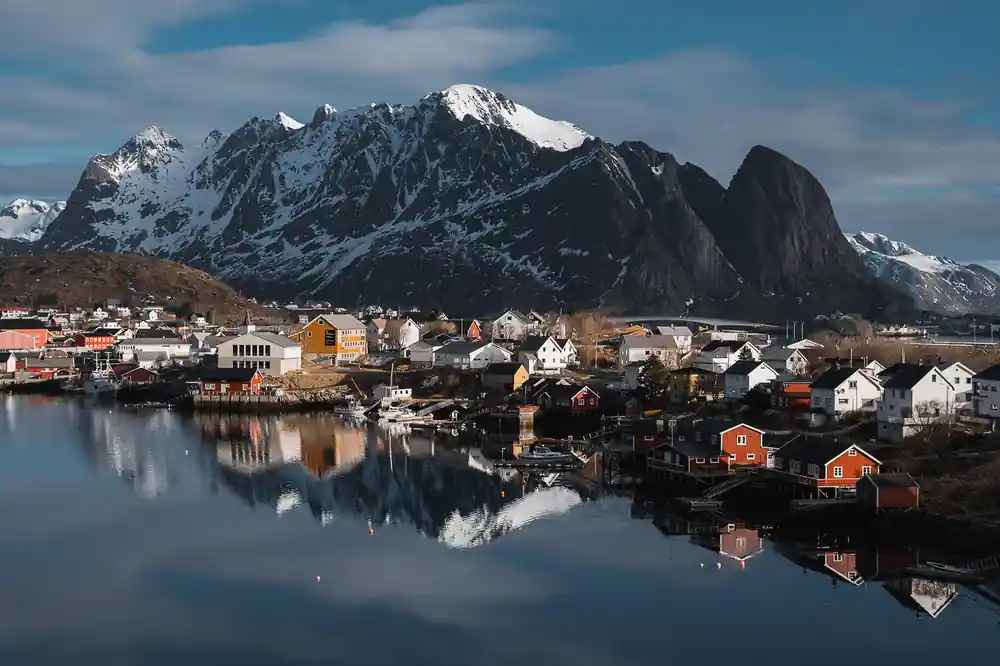
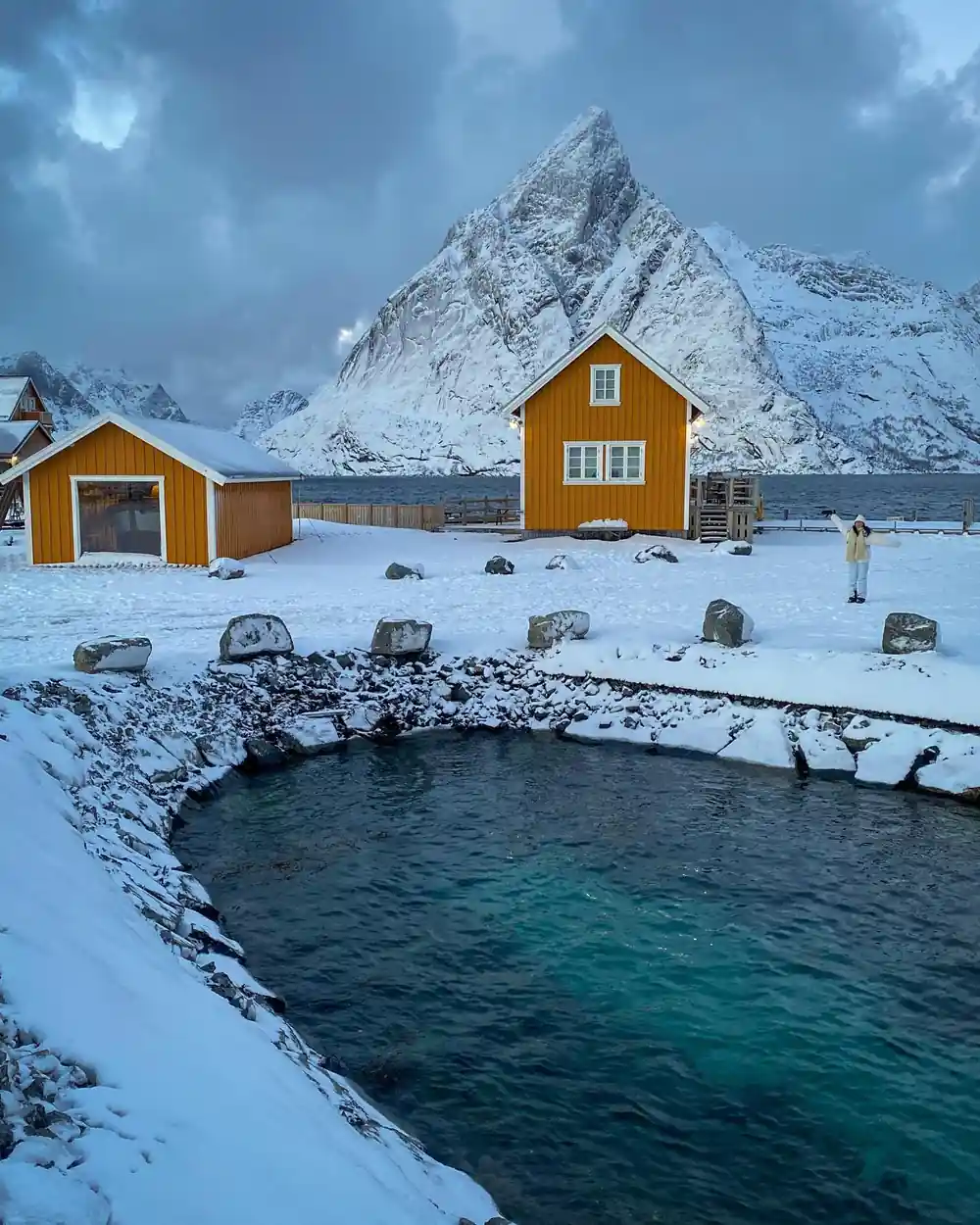
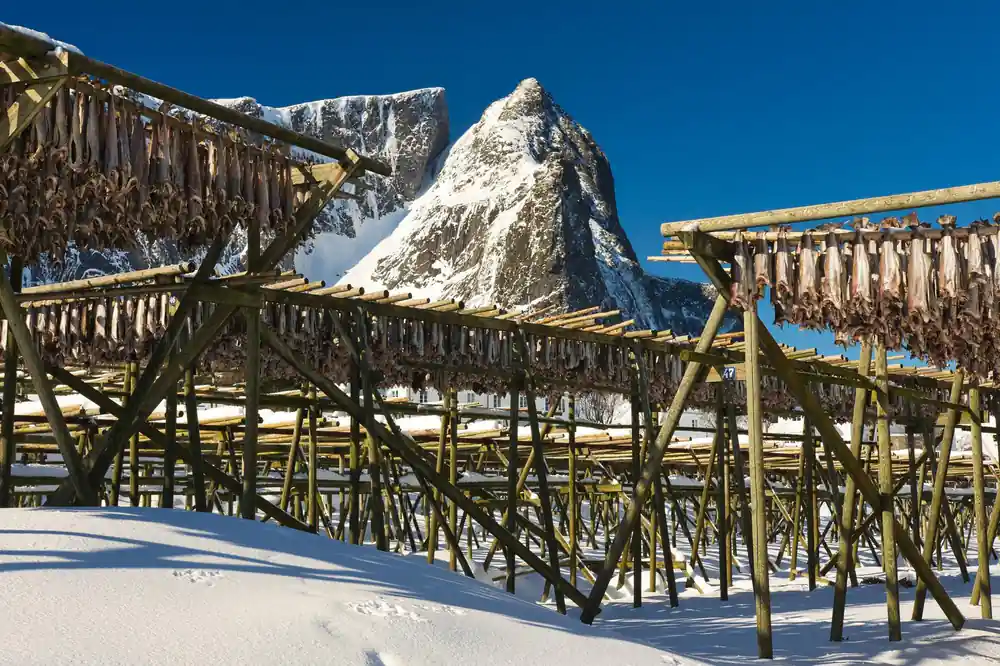
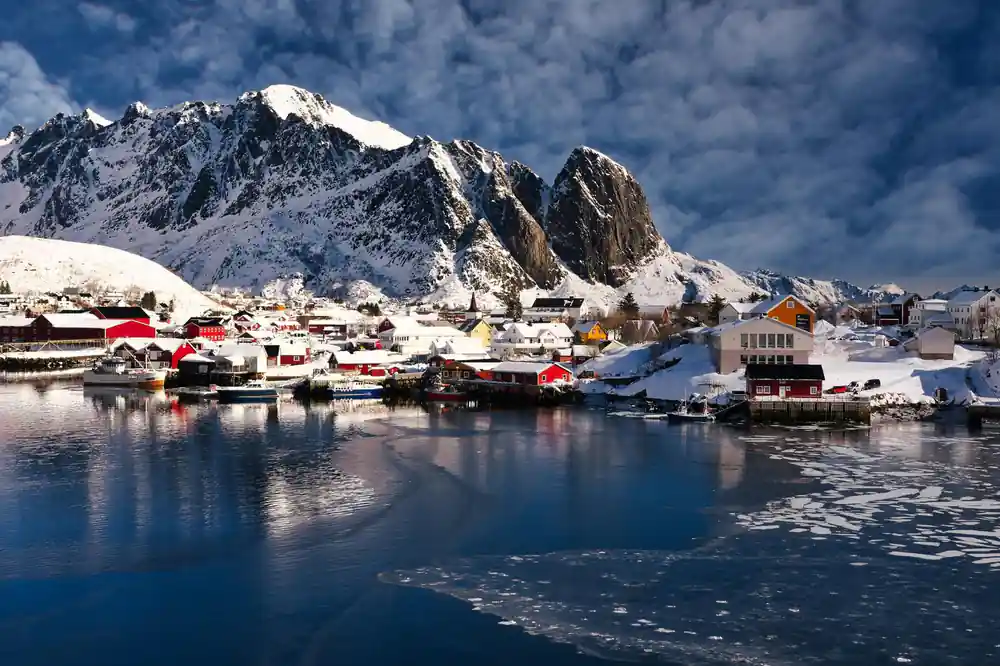
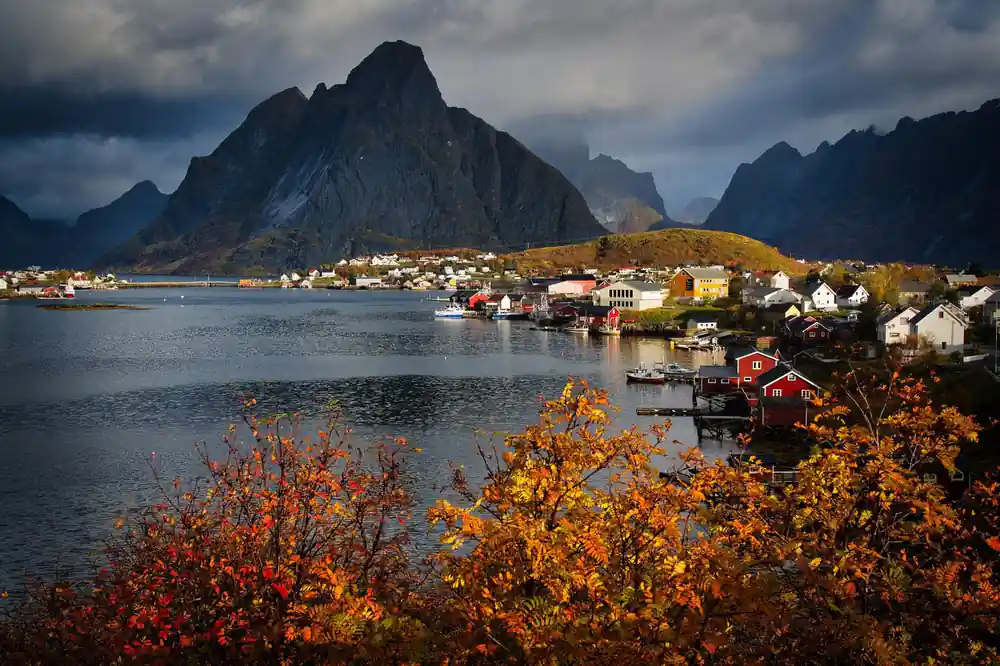
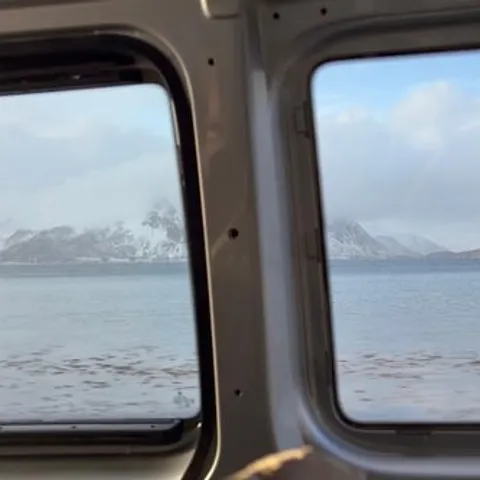
This full-day Lofoten Islands tour, picking up in Svolvær or Leknes, takes you through seven stops, each chosen for its distinctive character. You'll start at Valgata 6 in Svolvær, then travel south through Flakstadpollen and Flakstad before reaching Ramberg, known for its dramatic white-sand beach. The route then continues to Å i Lofoten, the southernmost village, where traditional fishing cabins line the waterfront and narrow lanes open onto views of the surrounding peaks. From there you'll move through Hamnøy and Sakrisøy, two smaller settlements where the landscape intensifies, before arriving at Reine, often cited as one of Norway's most photogenic locations. The drive itself forms part of the experience, with your local guide sharing stories about the islands' fishing heritage, geography, and life in these remote communities.
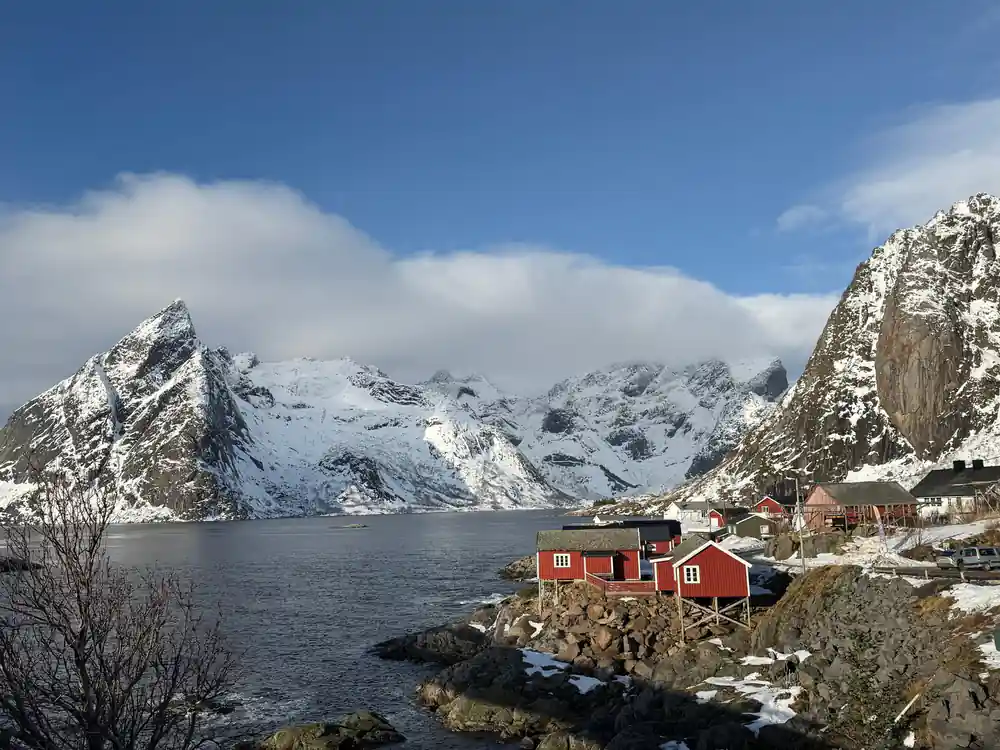
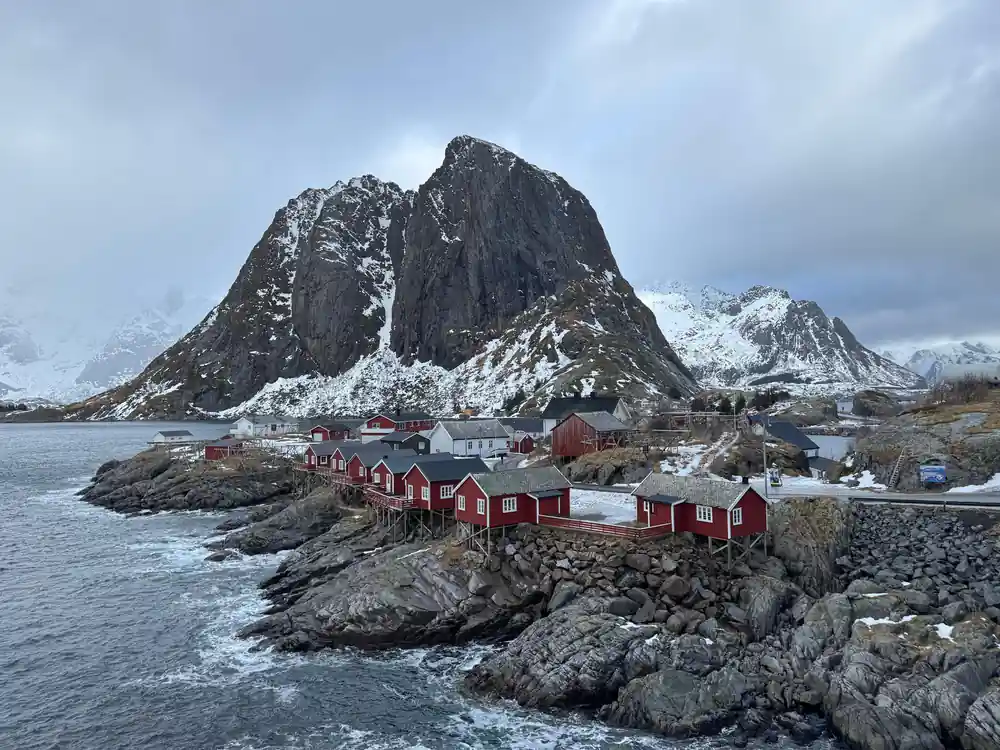
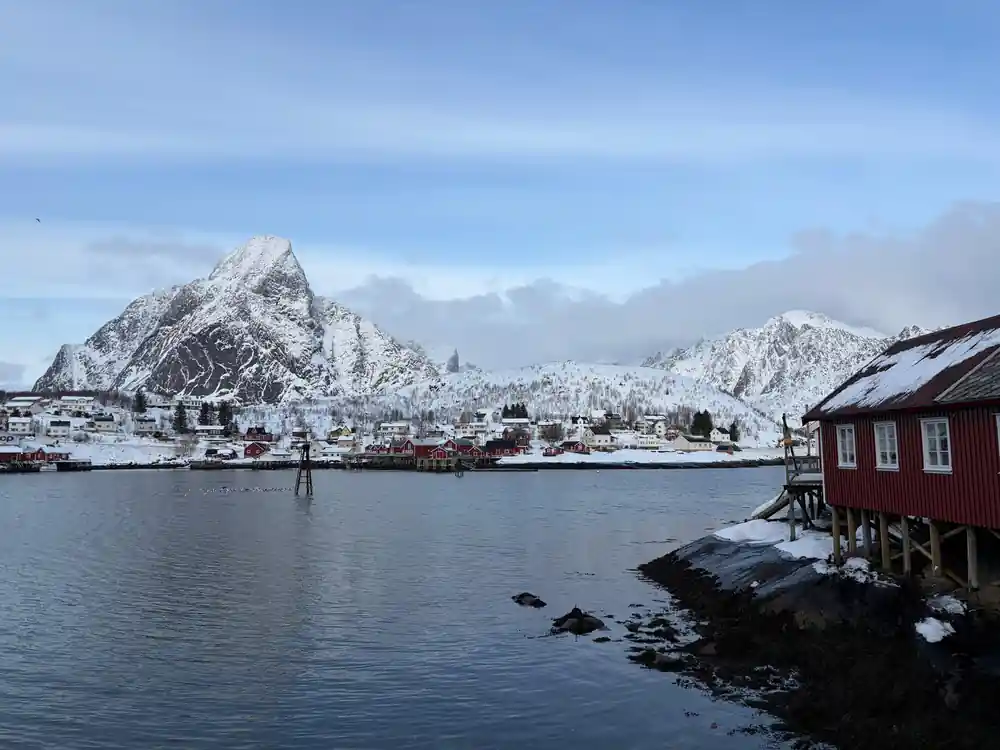
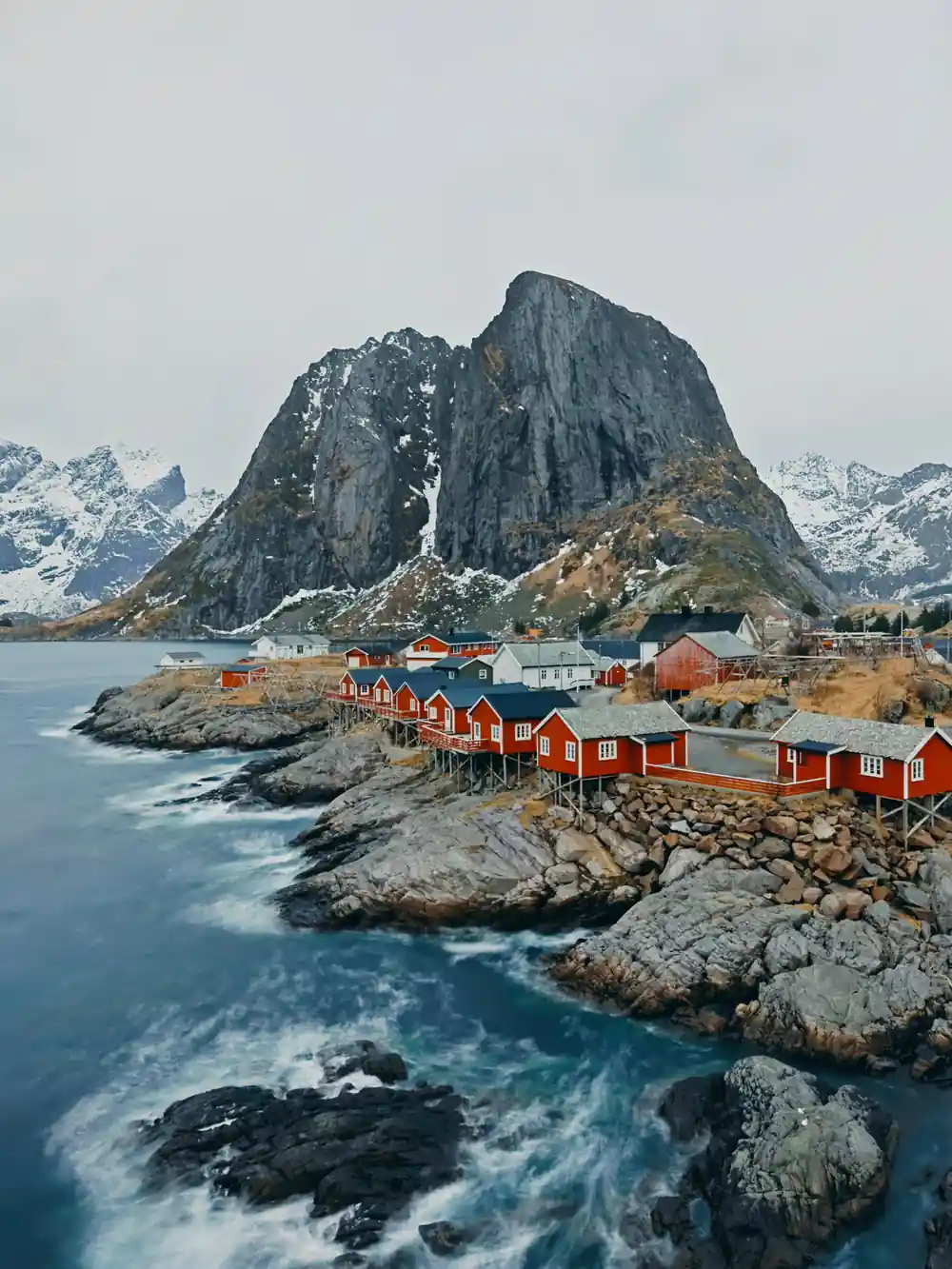
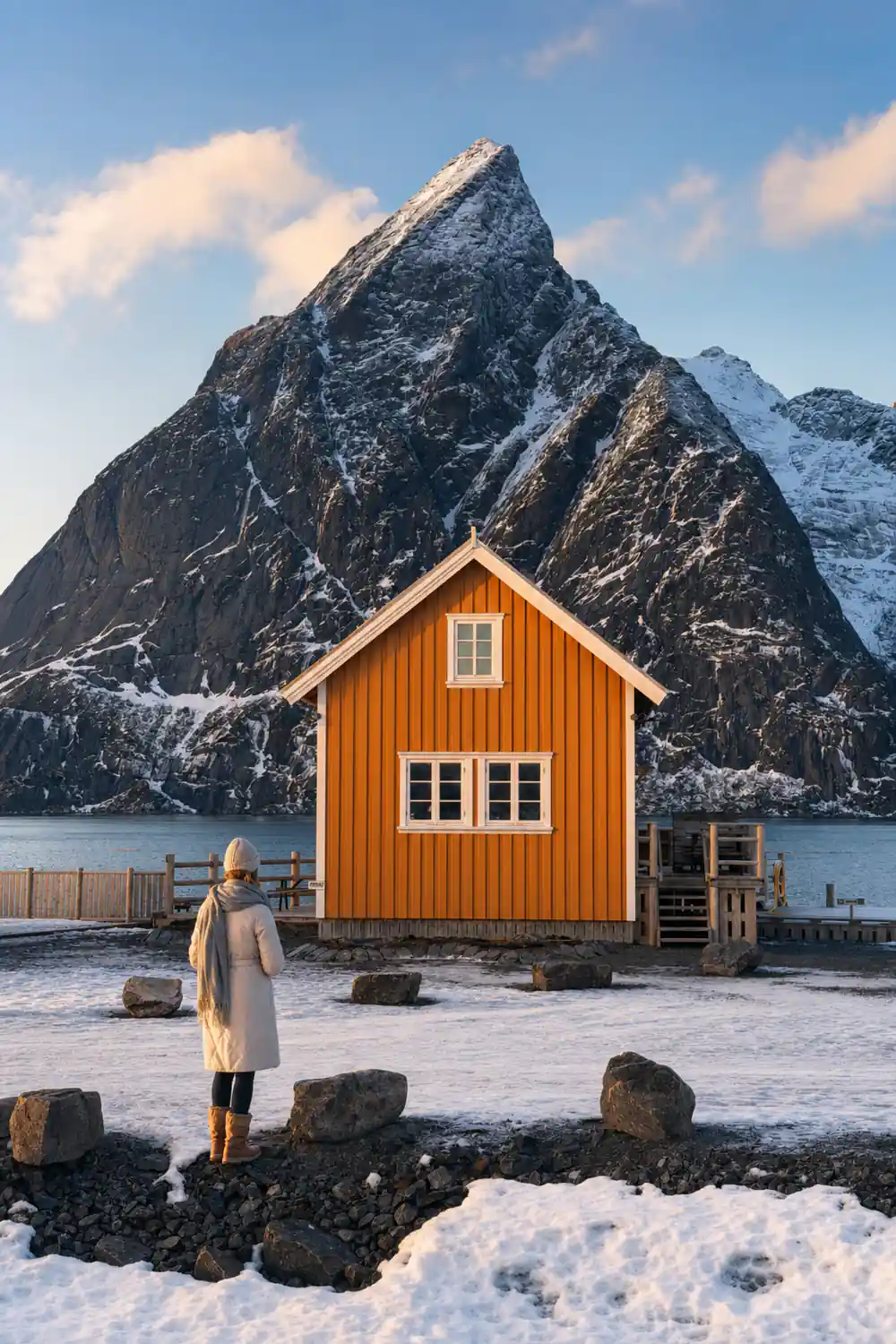
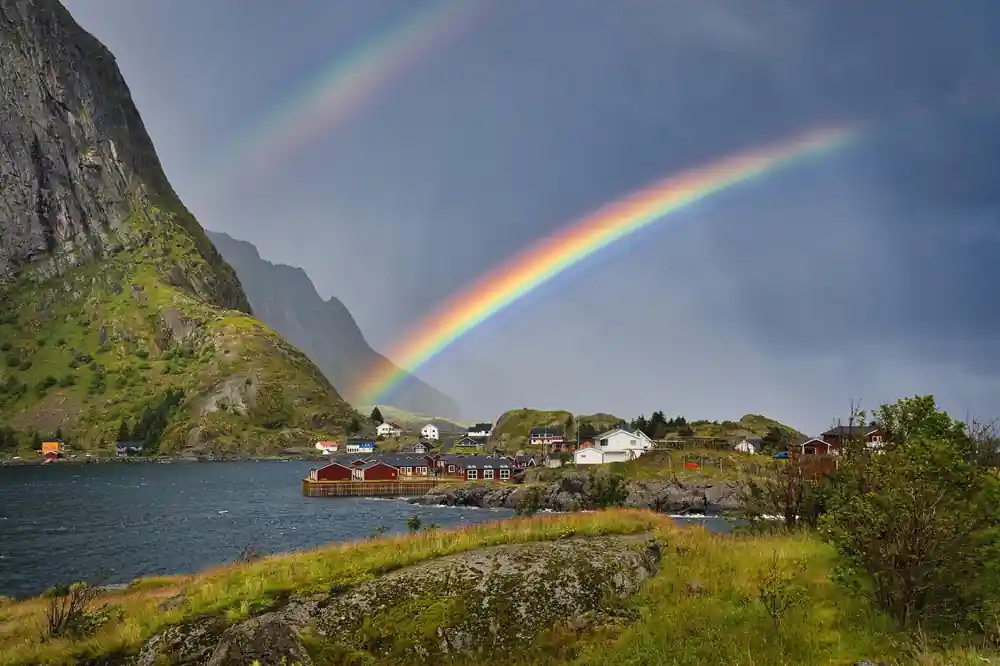
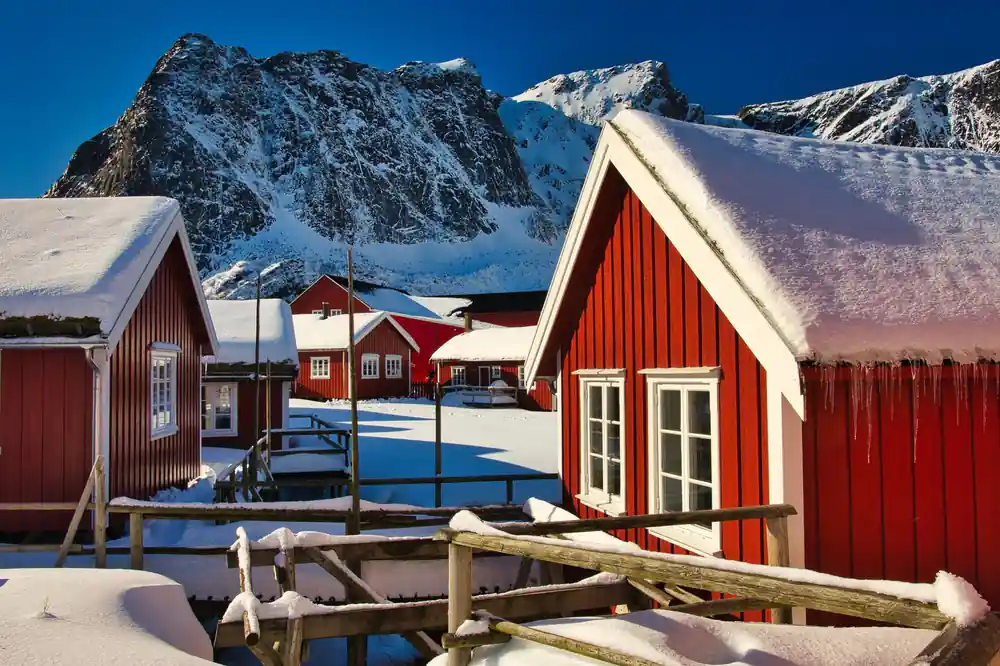
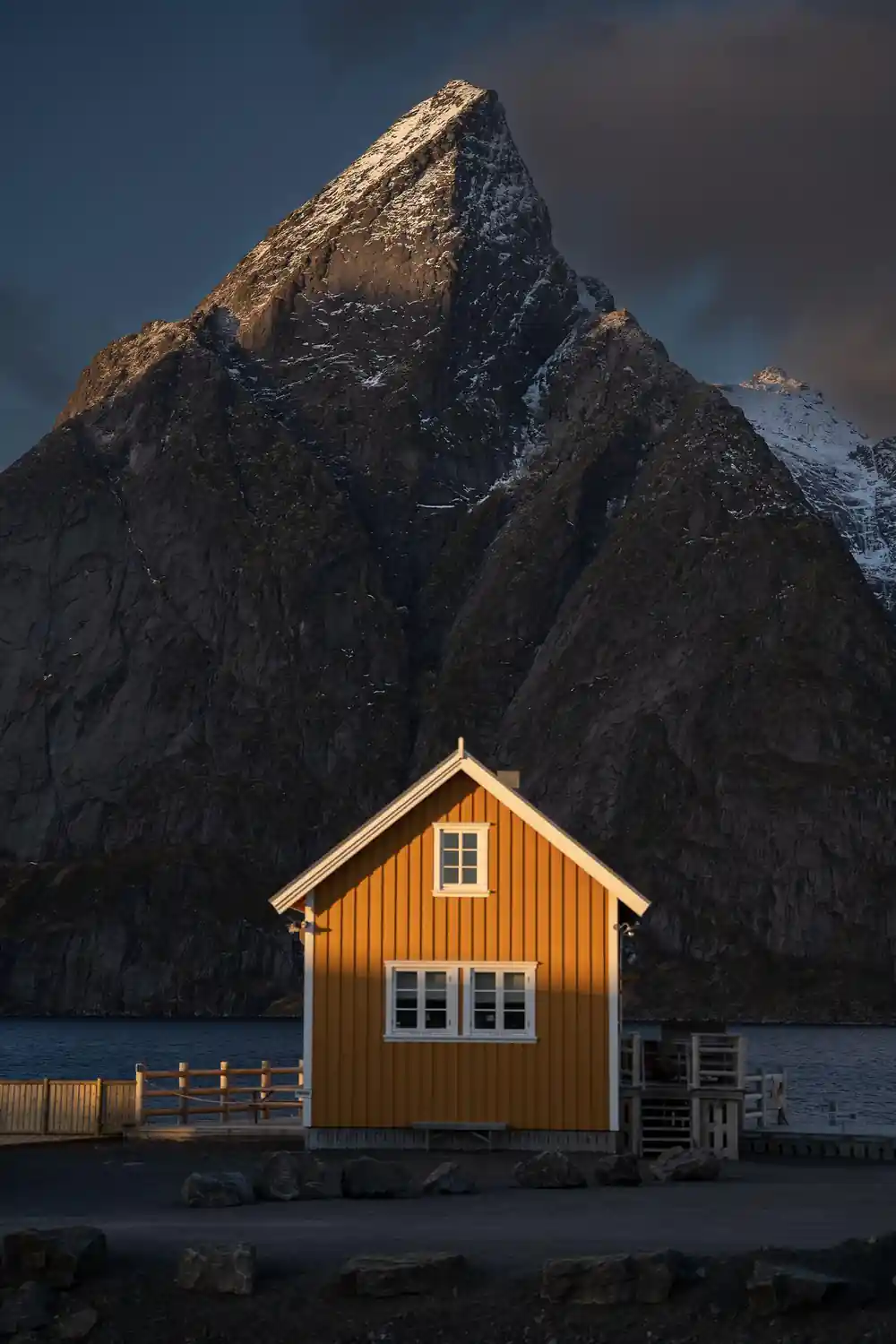
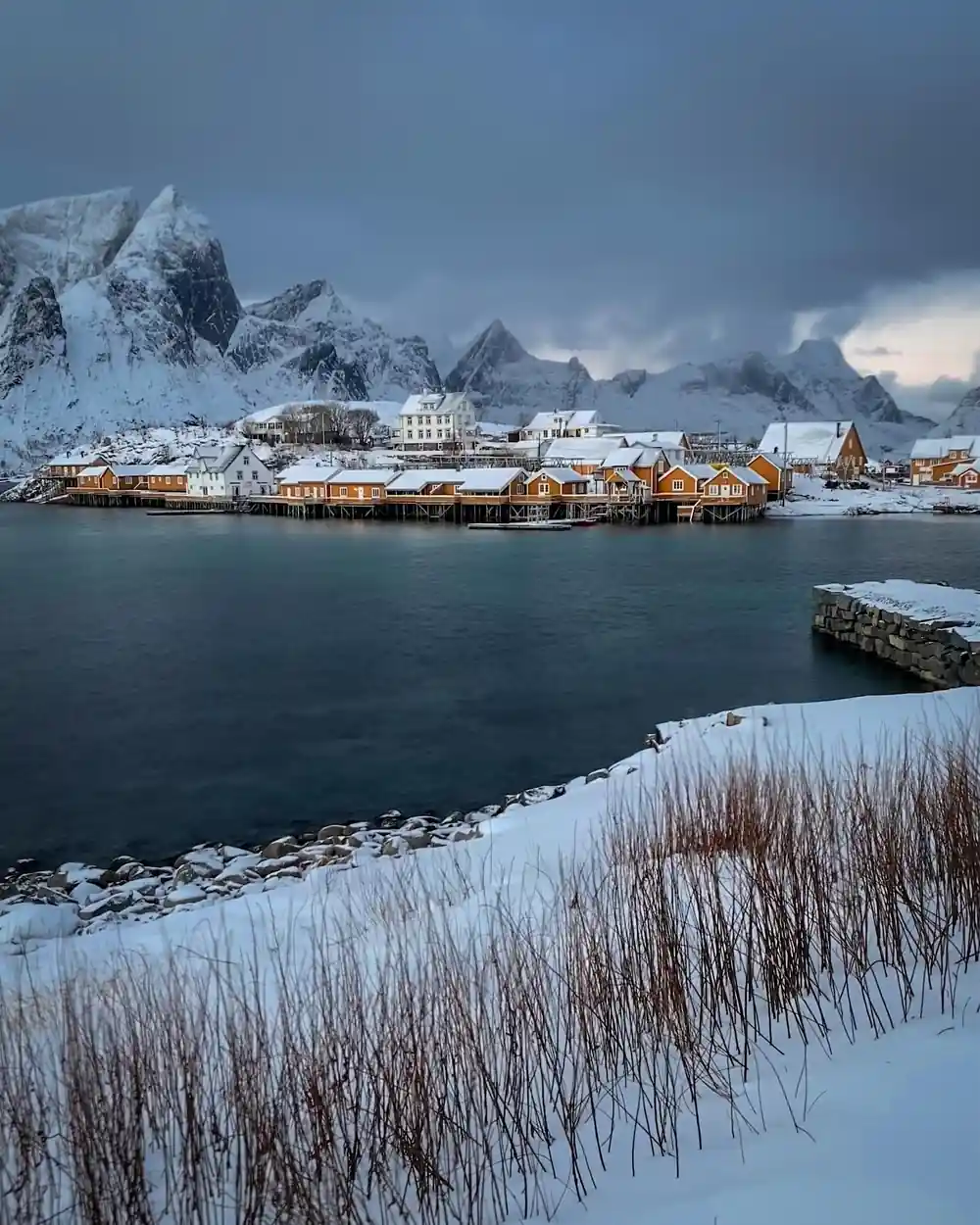
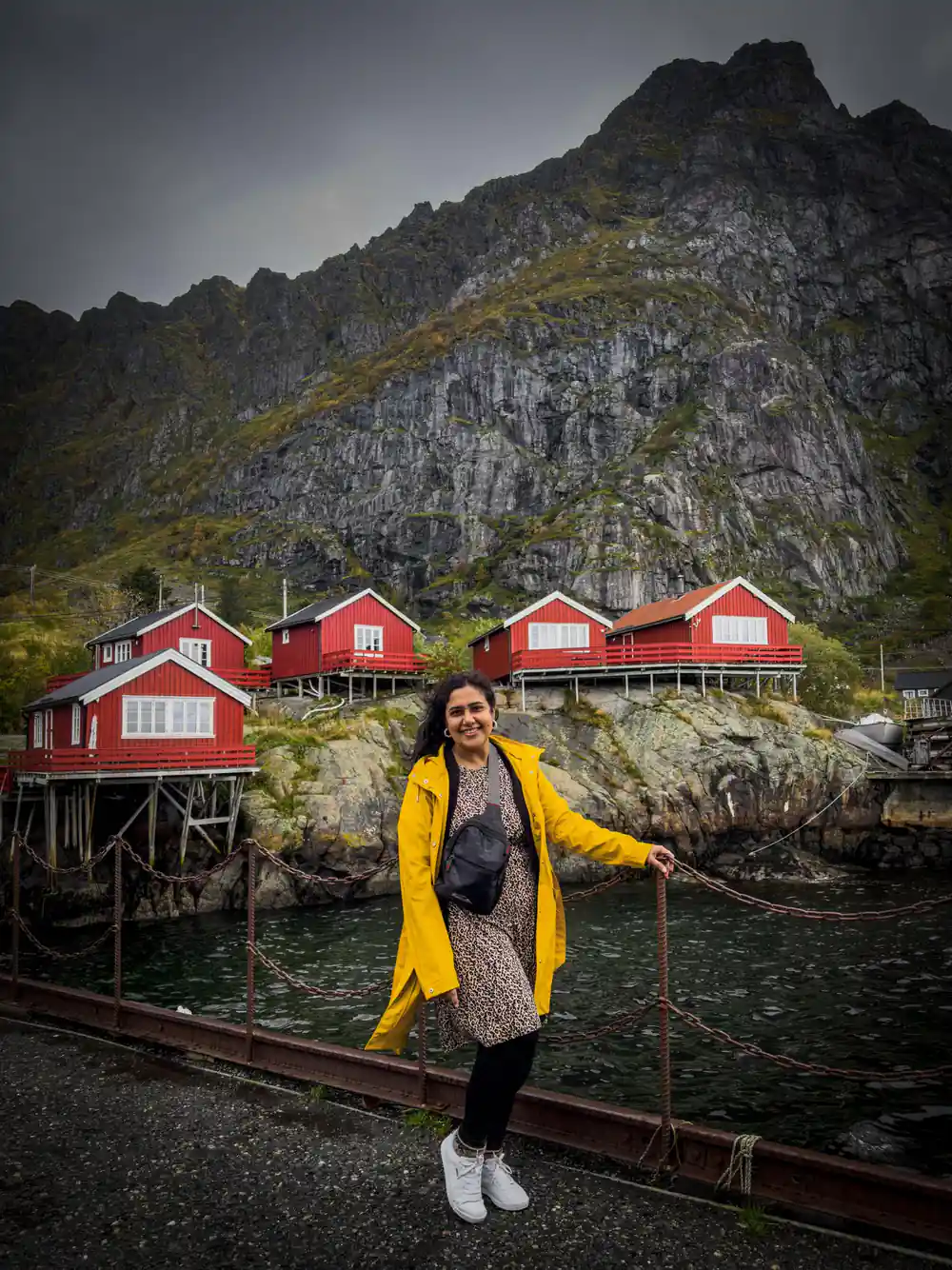
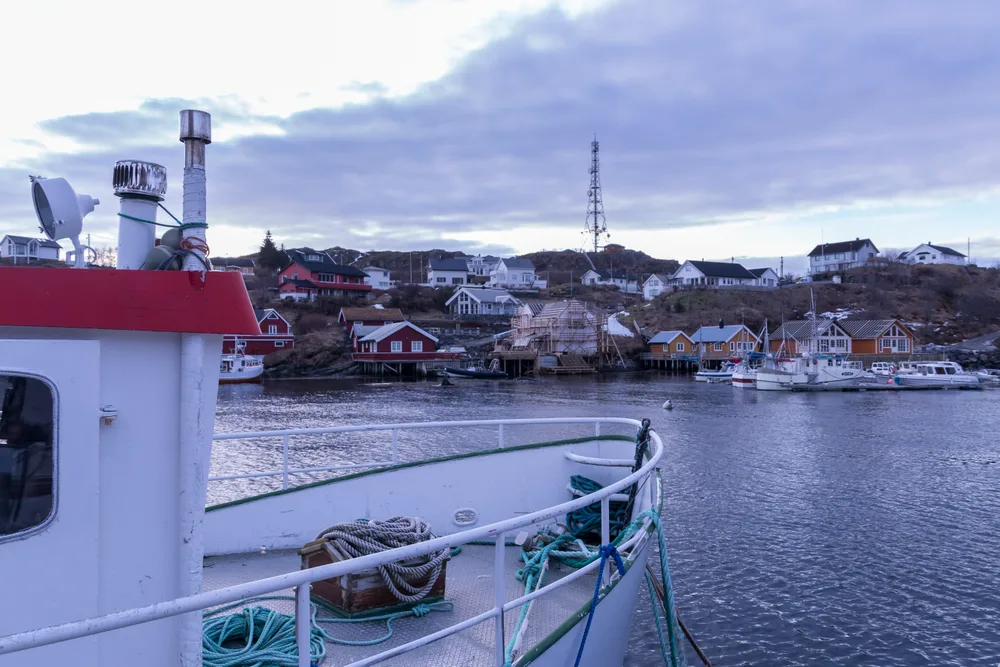
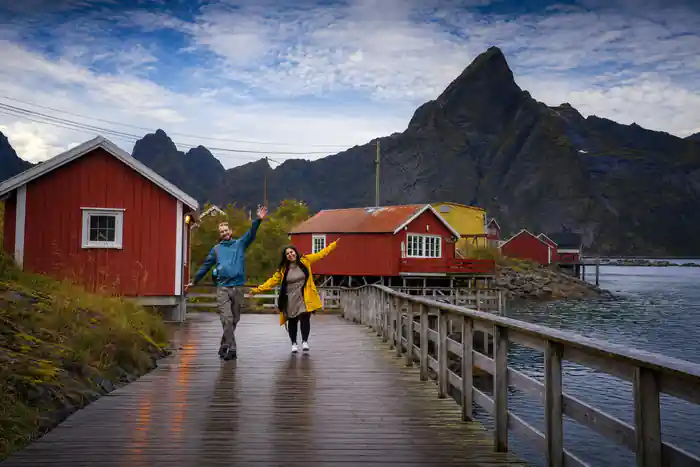
Each village offers something distinct. Å has the quietest, most contemplative atmosphere, with working fisheries and a small museum. Reine commands attention with its dramatic setting beneath steep mountains and its harbour of traditional rorbu cabins. Hamnøy and Sakrisøy occupy middle ground, less crowded than Reine but equally striking. Your guide will ensure you have meaningful time at each location rather than quick stops, so you can photograph, walk, and absorb the particular character of each place. The pace is deliberate, allowing you to move between villages without rushing, and a proper meal break is built into the itinerary so you're not managing hunger while trying to enjoy the scenery.
What's included and what to bring
Your nine-hour tour includes a local English-speaking guide who lives in Lofoten and knows these islands intimately. Pickup and drop-off happen from either Svolvær or Leknes, depending on where you're staying, and you'll travel in a comfortable 9-seater minivan that allows everyone a good view. Throughout the day you'll receive hot tea or a special Norwegian drink in thermal cups, along with a light Norwegian snack. A proper meal break is included, giving you time to eat at a local restaurant or café. Personal headsets mean you can hear your guide clearly even when standing at a distance or in windy conditions, a practical detail that makes the difference on a long tour.
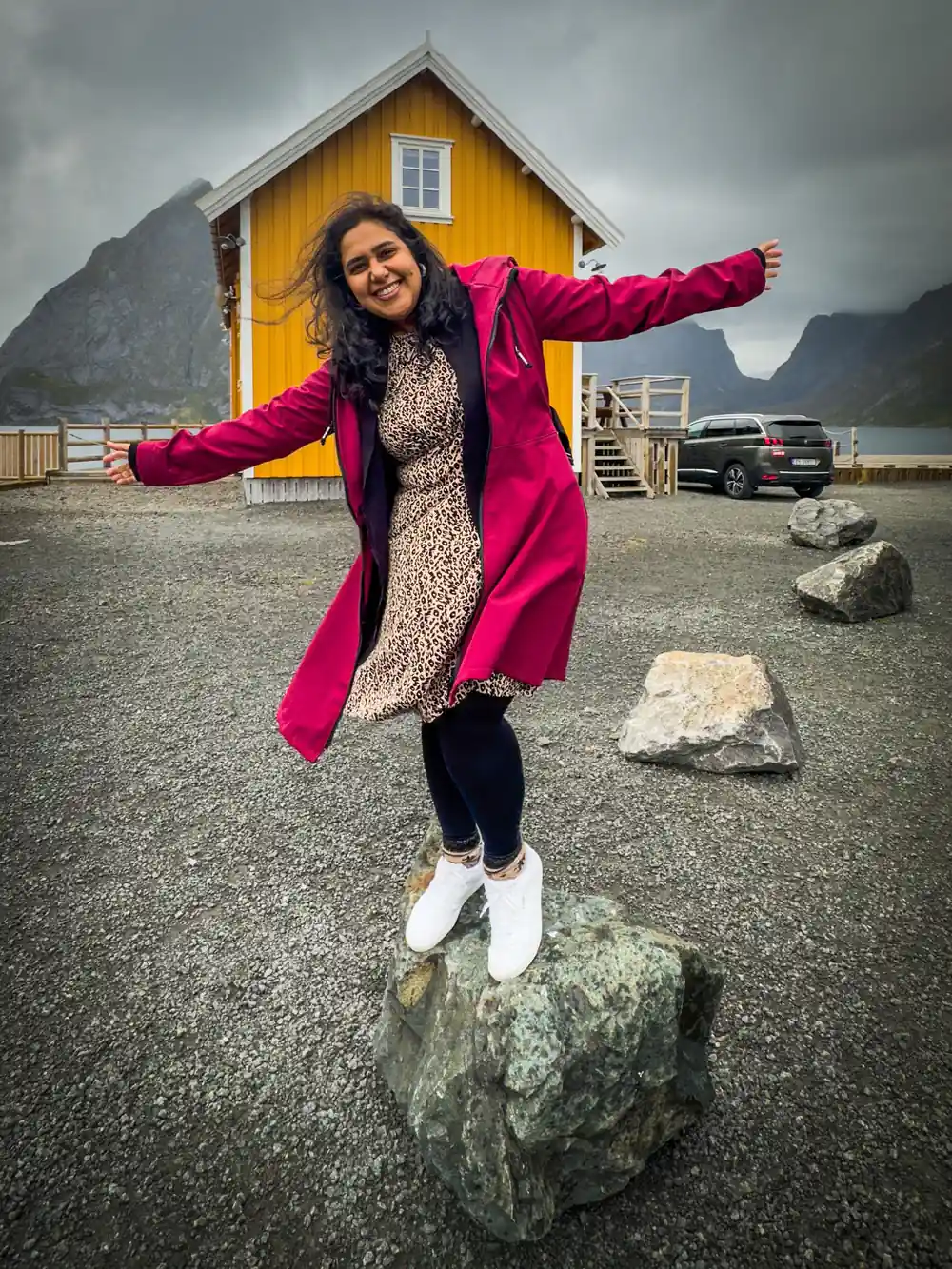
You should bring waterproof clothing, as weather in Lofoten can change rapidly and rain is common even in summer. Comfortable walking shoes are essential, since you'll be moving between the minivan and each village on foot. A camera or smartphone is obvious, but bring a power bank if your phone is your primary camera. Sunscreen and sunglasses are worthwhile even on cloudy days, as light reflects off water and snow on distant peaks. Your guide will advise on what to expect weather-wise that particular day and can suggest what to prioritize if conditions shift.
Who this tour suits best
This tour works well for visitors who want to see Lofoten's most celebrated villages without the complexity of navigating mountain roads alone. If you're on a Lofoten Islands trip and have only one full day, this itinerary captures the essential character of the archipelago. Small-group format means you're not on a large coach, so the experience feels personal and your guide can adapt slightly to the group's interests. International visitors who prefer not to drive on unfamiliar roads, or who want local context beyond what a self-drive offers, find this particularly valuable.
The pace suits a wide range of fitness levels. You're not hiking extensively, but you will walk through villages and walk up the occasional short slope to a viewpoint. The nine-hour duration, spread across a full day with breaks, is less exhausting than it sounds. Photographers will appreciate the unhurried stops; families with children of twelve and over can manage the day comfortably; solo travellers benefit from the social aspect of a guided group. If you speak English, have a few days in Lofoten, and want expert insight into what you're seeing, this is a natural choice.
How this compares to driving yourself
Renting a car and driving the Lofoten Islands route independently is possible, but this tour handles several complications. Mountain roads here have few guardrails, tight hairpin turns, and weather that can deteriorate suddenly. A local guide knows which stops reward a longer visit and which are brief photo spots, saving you decision-making time. Your guide also provides stories about each location, the history of the fishing industry, and details about daily life here that wouldn't appear in a guidebook. You avoid the cognitive load of navigation, the stress of unfamiliar driving conditions, and the temptation to rush through villages to reach the next viewpoint.
Practically, you have nine guaranteed hours to absorb Lofoten, including a meal break, rather than spending time looking for parking, deciding which cafés to try, or getting lost on narrow roads. The minivan allows you to relax between stops, and a headset system ensures you hear every story without straining. For many visitors, this structured approach, combined with local expertise, delivers better value than self-driving, especially if you're unfamiliar with Norwegian roads or would prefer not to concentrate on driving through spectacular scenery.
Planning your Svolvær review and booking timeline
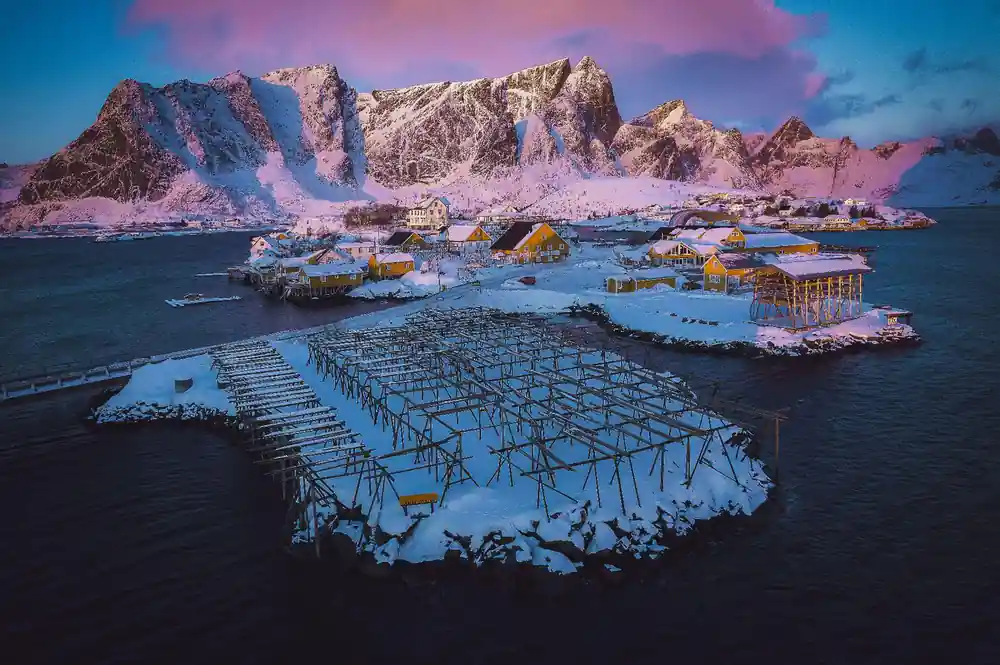
Most tours operate year-round, though daylight hours vary dramatically. In summer, you'll have nearly continuous daylight, which suits photography. Winter brings shorter days and a chance to see the Northern Lights, though conditions are unpredictable. Book at least a few days in advance to secure your preferred date, especially during peak summer months. Confirm your pickup location (Svolvær or Leknes) when you book, and allow extra time to be ready if you're picked up from accommodation; guides typically run on tight schedules to fit everything into nine hours.
Consider the weather forecast for your chosen date, but don't cancel at the first sign of rain. Lofoten's dramatic appearance often peaks during overcast or stormy conditions, and your guide will have contingency plans if visibility becomes genuinely poor. Wear layers so you can adjust as you move between the minivan and outdoors. If you're arriving in Svolvær from the UK or another country, plan for a day or two of acclimatization before booking this full-day tour, as an early pickup after a long travel day can be challenging.
The drive and the stops
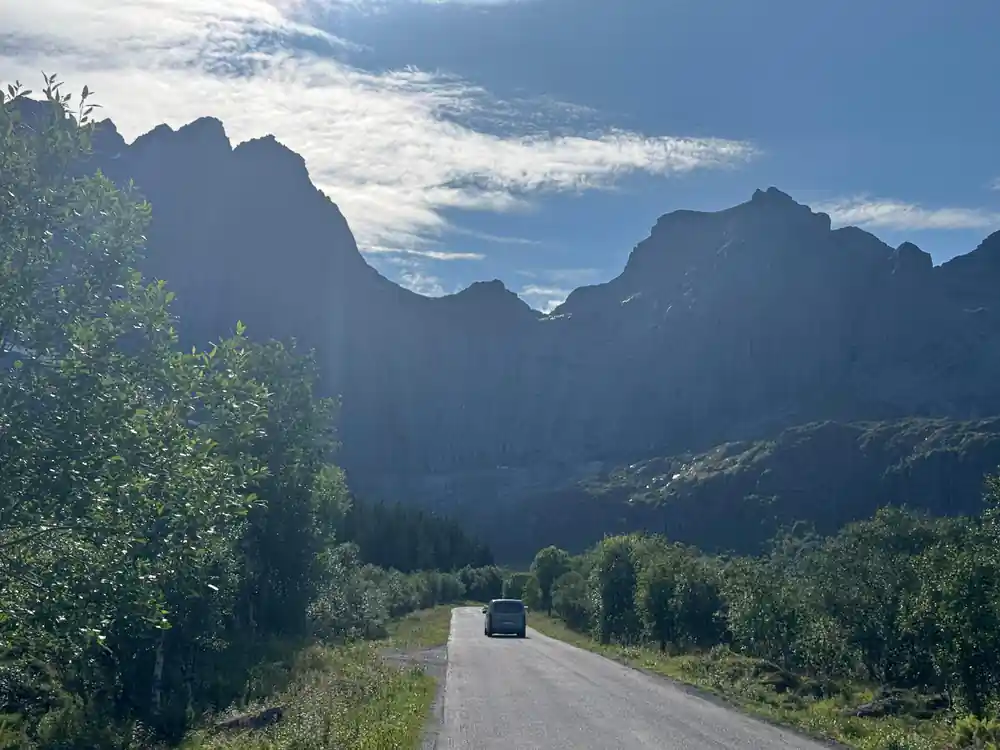
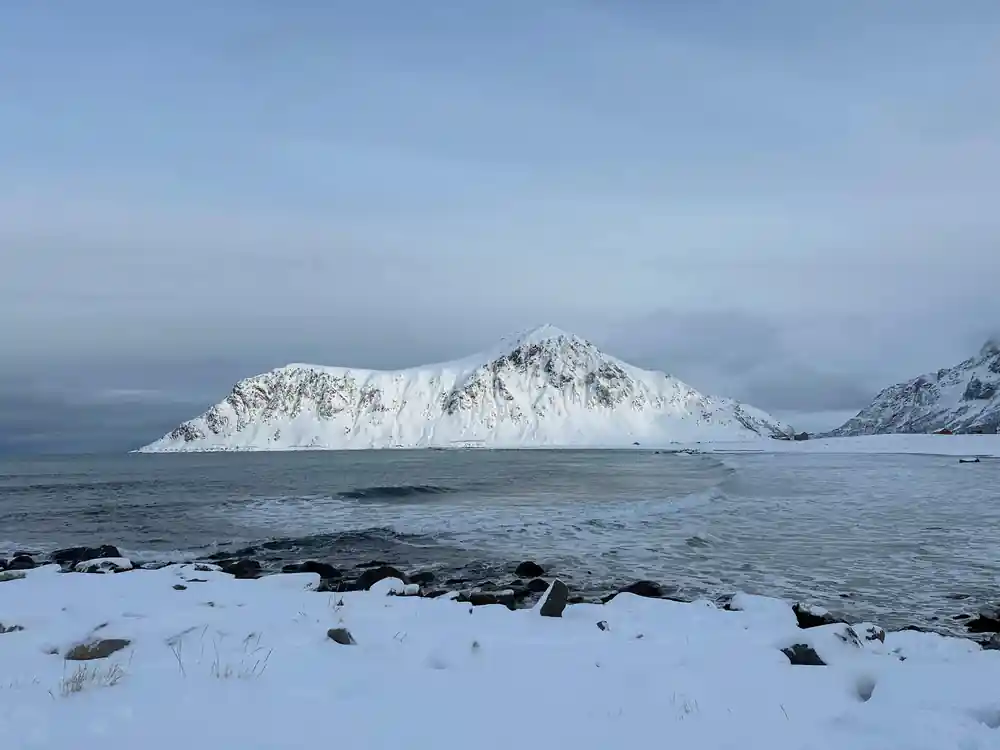
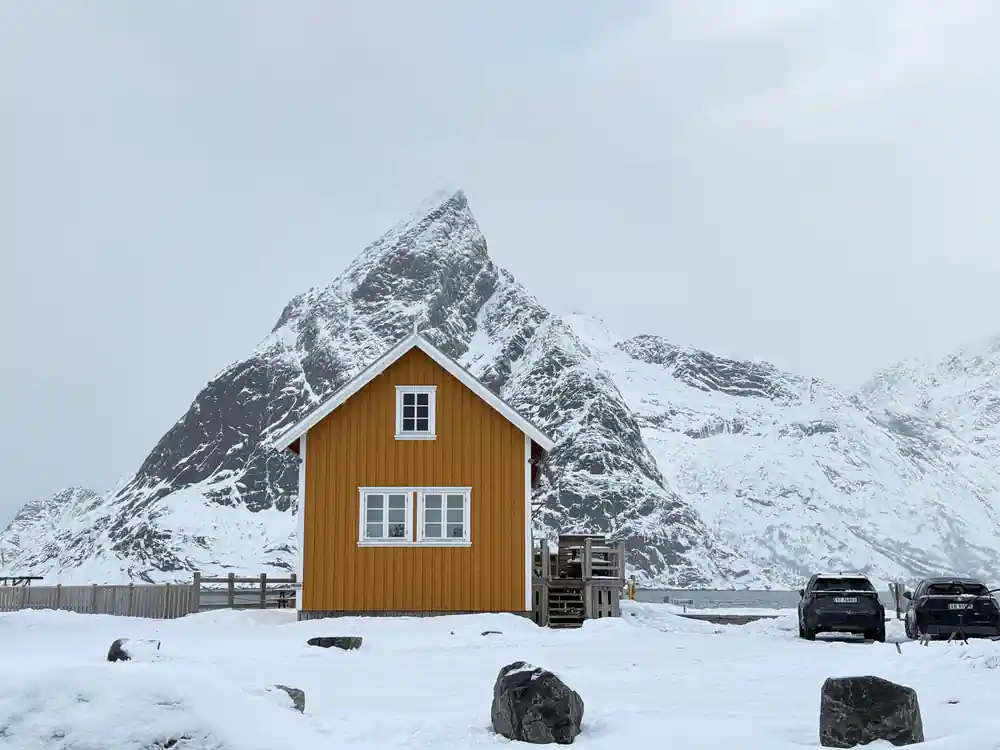
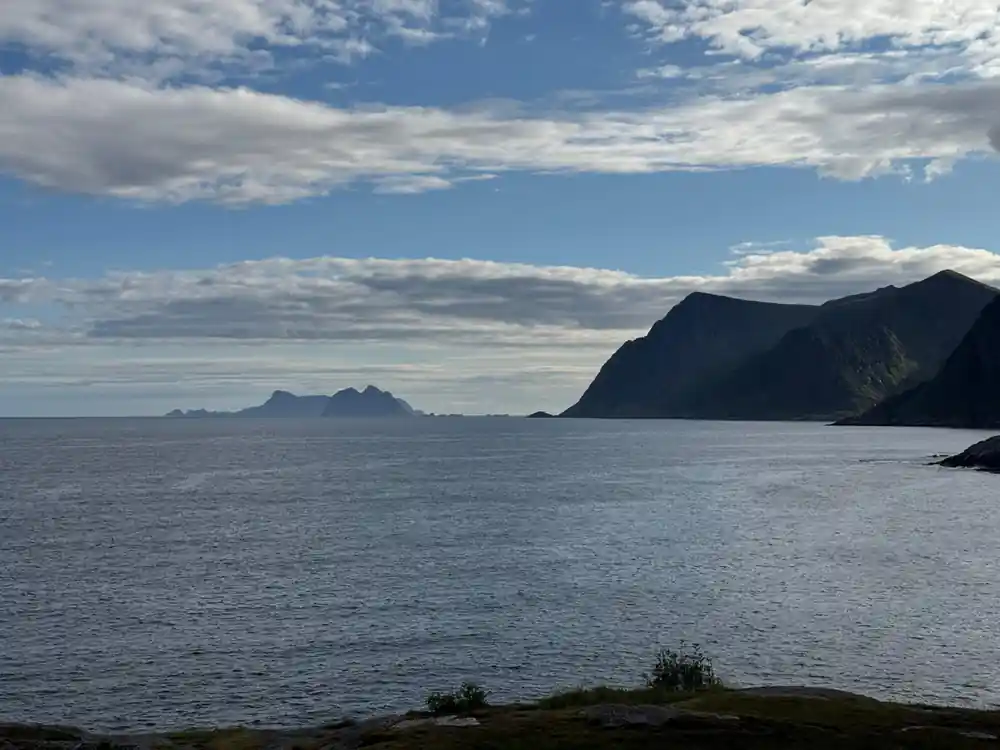
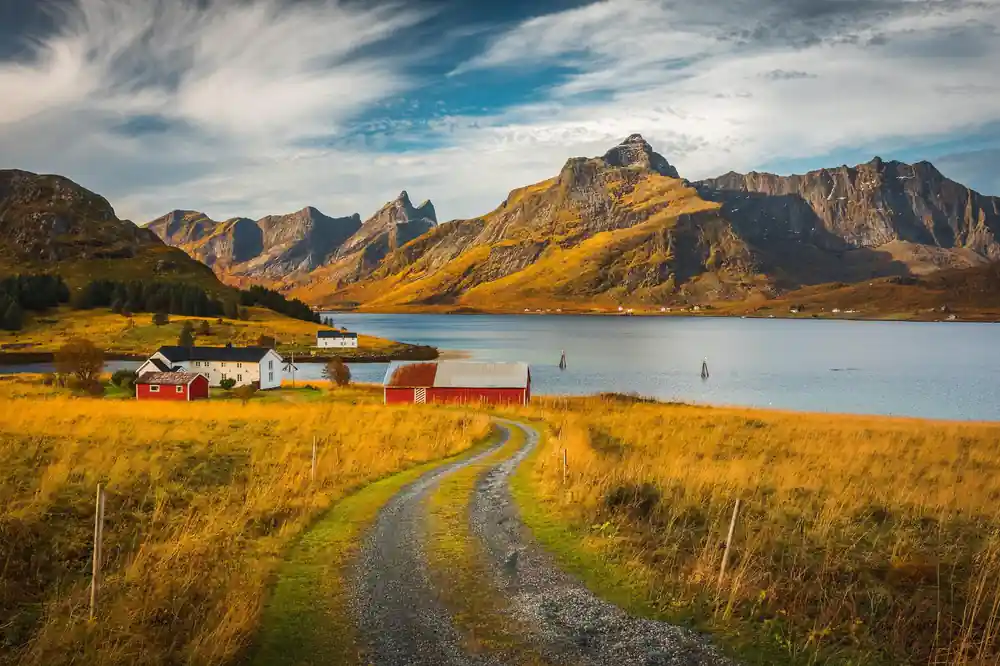
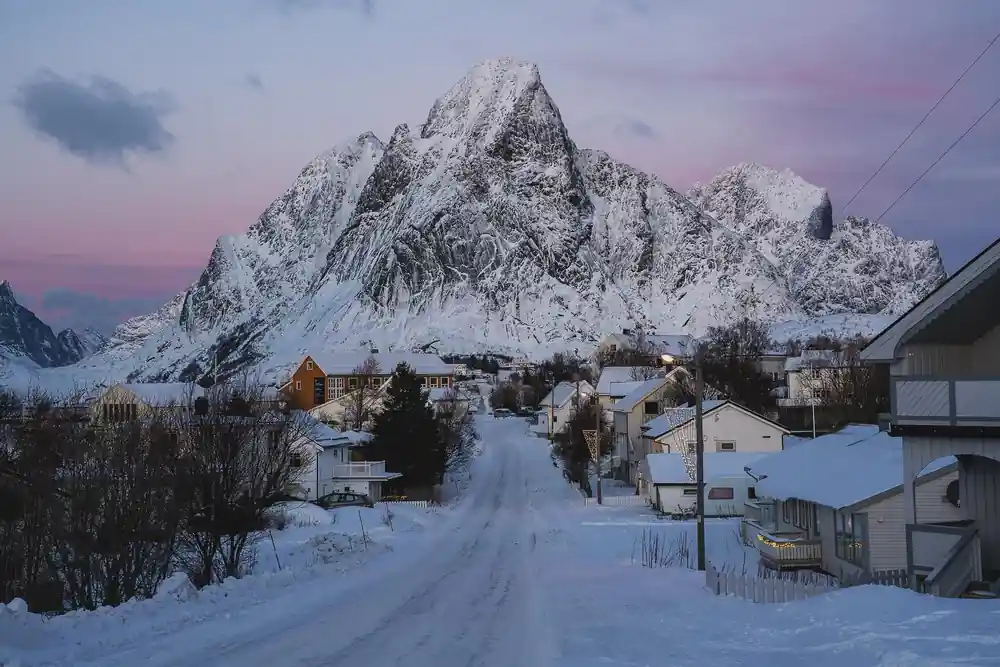
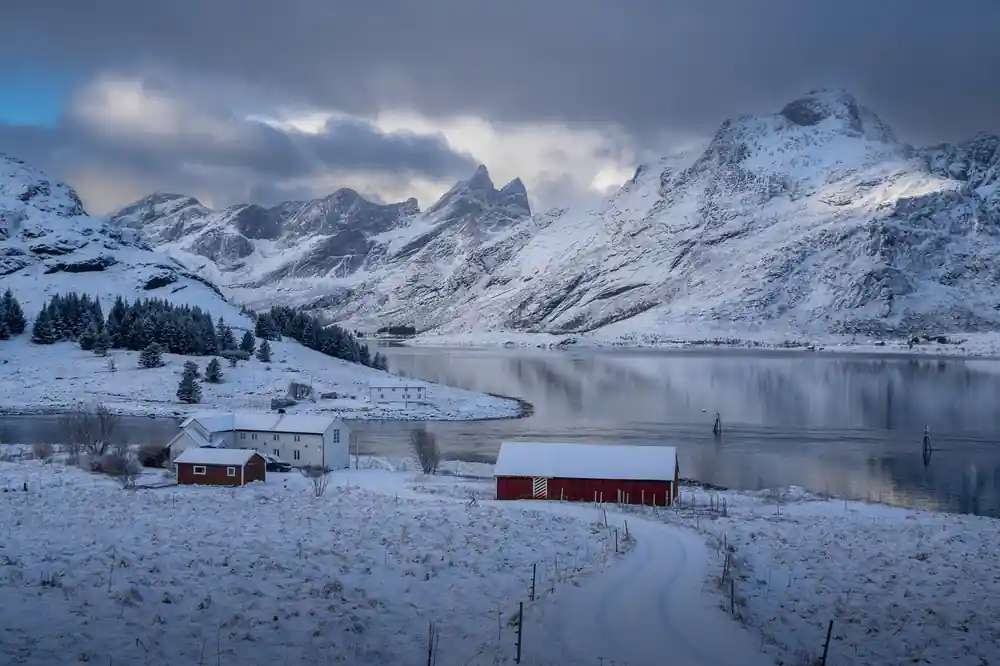
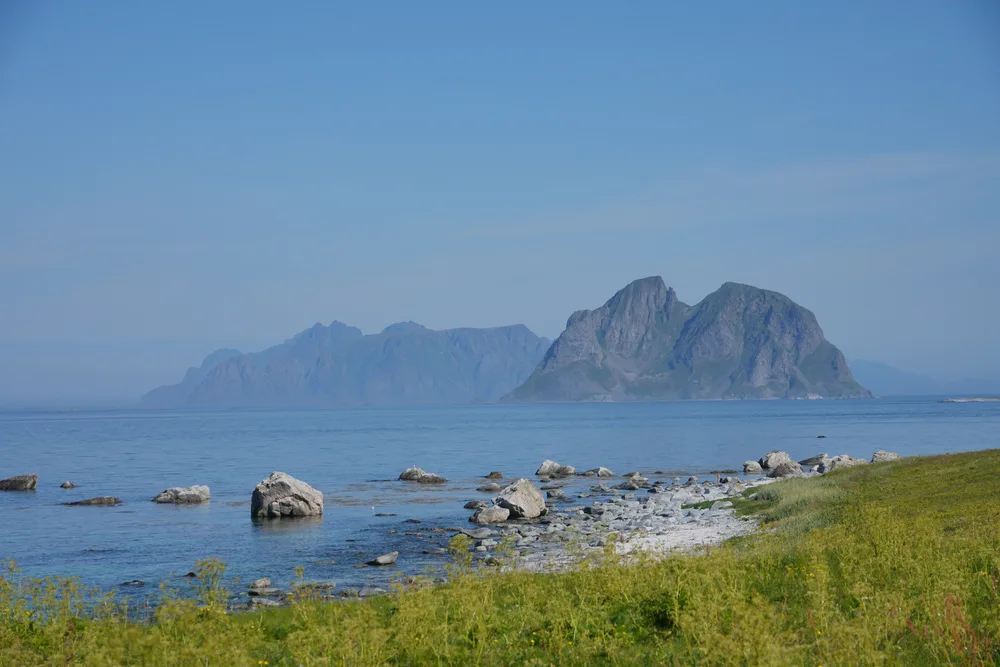
The route south from Svolvær to Å covers roughly 130 kilometres, but takes several hours because of the landscapes you pass and the villages you explore. Flakstadpollen and Flakstad appear early, setting the tone for the visual intensity ahead. Ramberg's white-sand beach is a notable contrast to the sharp peaks dominating most of Lofoten. As you approach Å, the mountains seem to close in, creating a sense of journey's end even though several significant stops remain. From Å, the route back north takes you through Hamnøy, Sakrisøy, and Reine, each offering different perspectives on how people live and work in these islands.
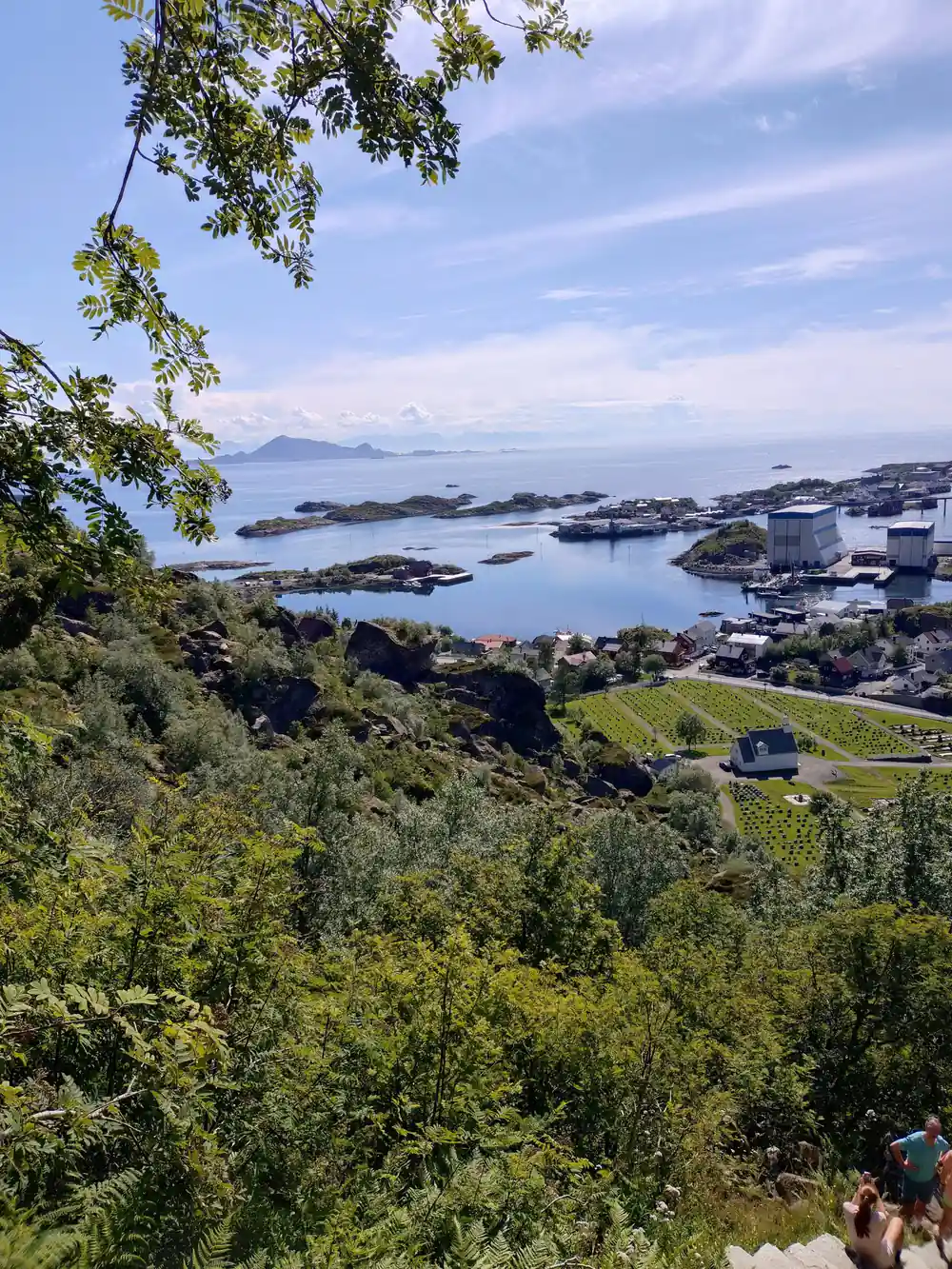
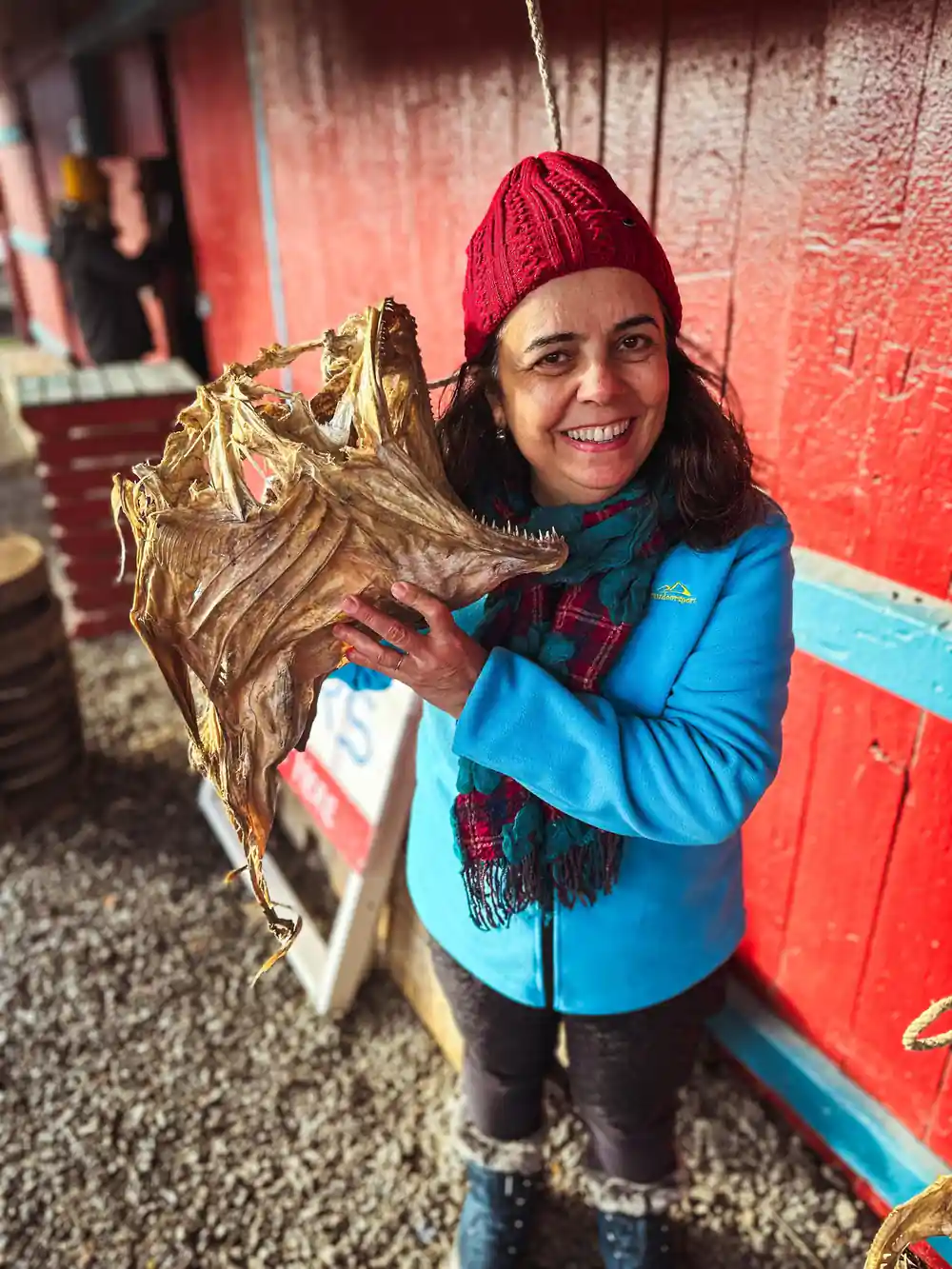
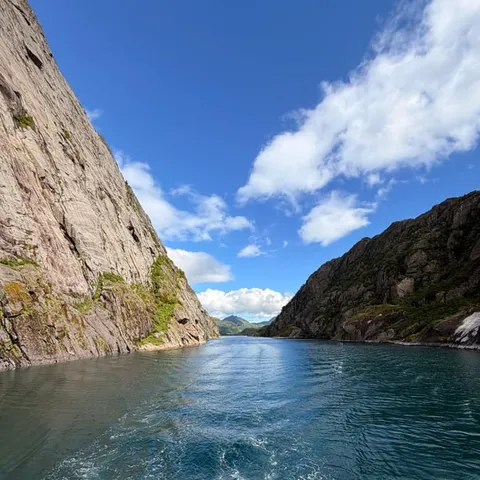
Your guide will choose specific viewpoints and walking routes based on conditions and group interest, so the exact sequence of stops may vary slightly. Some routes include a scenic pull-off where the entire archipelago appears to stretch beneath you; others focus on village centres where traditional architecture and working fisheries dominate. The drive itself, between villages, is considered part of the tour experience rather than dead time. You'll hear about geology, weather patterns, the decline and revival of fishing communities, and what daily life looks like in a place where winter darkness and summer light are equally extreme.
Is Lofoten Islands worth visiting through a guided tour
Whether is Lofoten Islands worth visiting depends on your interests, but the islands justify the effort for most travellers. The combination of dramatic scenery, distinctive villages, and genuine isolation makes Lofoten unique in Europe. A guided tour maximizes what you'll absorb and experience in limited time. Your guide's local knowledge reveals layers that photos alone cannot convey: the economics of fishing, how climate shapes daily life, which paths lead to quiet moments away from crowds, and why these communities have persisted in such challenging terrain. If you're committed to understanding a place rather than simply photographing it, a full-day tour with a knowledgeable guide shifts the visit from memorable to transformative.
The nine-hour format tests whether you're ready for an immersive experience without overwhelming you. You see four major villages and several smaller settlements, understand how the landscape varies across the islands, and return with concrete stories rather than generic impressions. For international visitors, the combination of curated stops, local expertise, and managed logistics removes friction from the experience, allowing you to focus on what matters: the place itself, the people who live there, and what you're learning at every stop.