In a nutshell
- Allers, Norway's biggest weekly magazine, named Reine the country's most beautiful village in the late 1970s, cementing its status as Lofoten's crown jewel.
- 19th-century artists discovered Reine's dramatic peaks and fishing villages long before the cameras came.
- Mass tourism reached the islands in the 2010s, transforming quiet villages into global photography destinations.
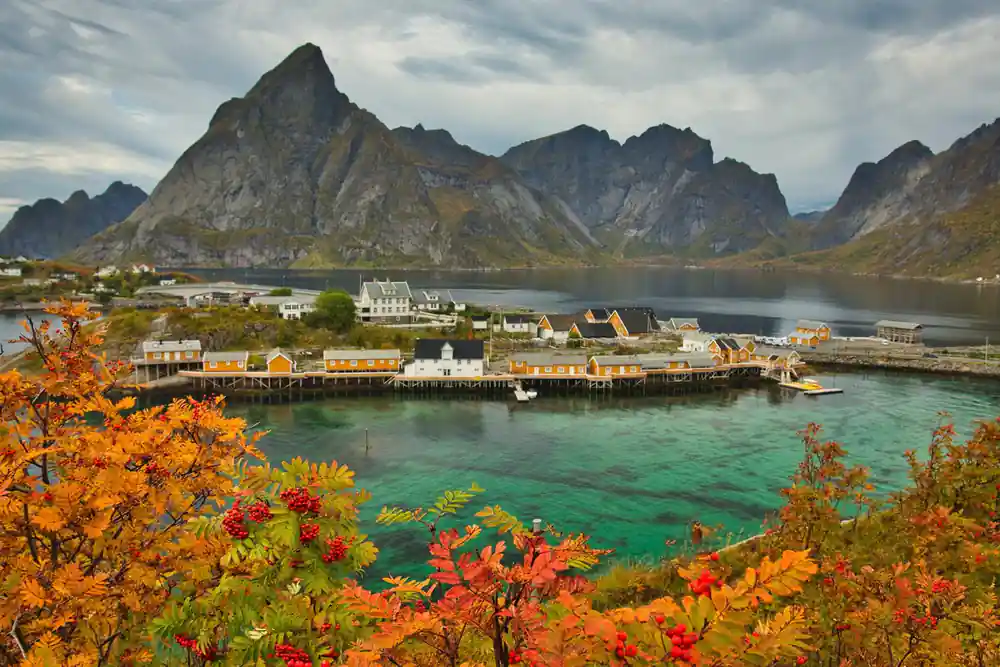
- Reine's steep mountains, reflected waters, and northern light combine to create scenes that photographs cannot quite capture.
- One perspective dominates millions of images worldwide, making Reine instantly recognizable to travelers everywhere.
The Painters Who First Saw Reine
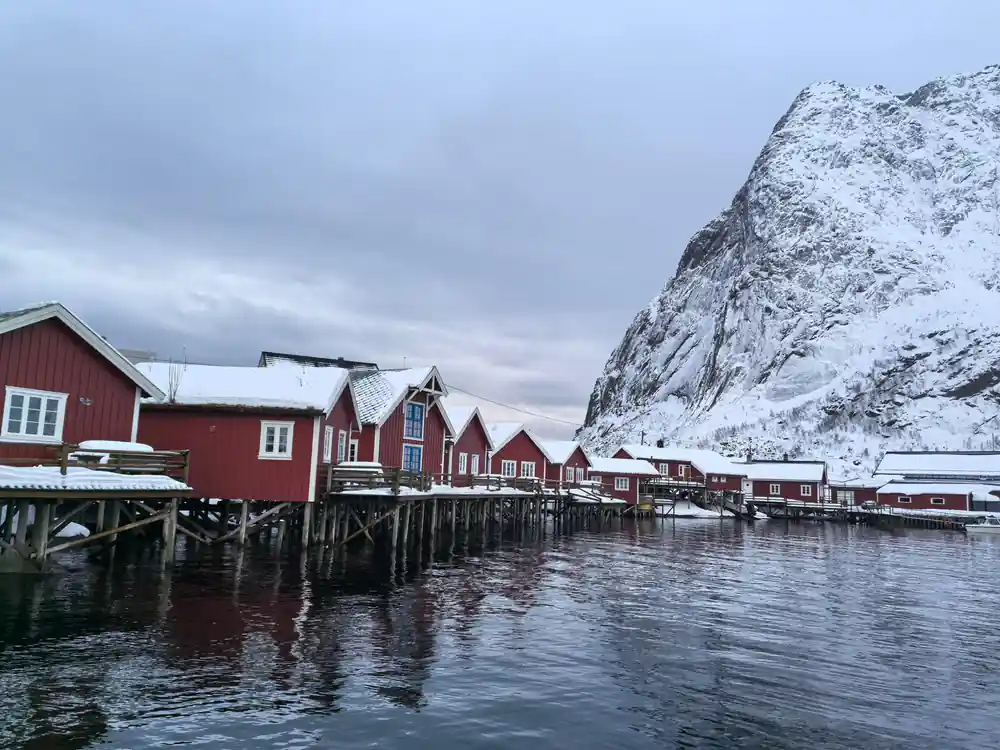
Long before Instagram, Lofoten's dramatic peaks and fishing villages attracted European landscape painters seeking the North's raw beauty. Artists traveling to the archipelago in the 19th and early 20th centuries found in Reine a subject of extraordinary contrasts: steep granite walls rising directly from the sea, red and yellow rorbu cabins reflected in still water, and light that seemed to shift the village's mood hour by hour. These early painters documented a landscape so distinctive that their canvases carried weight in European art circles and shaped how the wider world imagined the Norwegian Arctic.
The painters' work circulated through exhibitions and collections, establishing Reine not as a working fishing settlement first, but as an image. They captured the village before roads connected it reliably to the rest of Norway, before tourism infrastructure existed, when the place remained fundamentally itself. Their compositions emphasized the geometry of the mountains and the precision of human settlement against natural immensity, a visual language that would echo through every photograph and film that followed.
A Magazine's Verdict on Norway's Most Beautiful Village
In the decades since those early paintings, publications across Europe and Scandinavia have nominated Reine as a leading contender for Norway's most beautiful village. Magazine editors and travel writers have returned repeatedly to the same visual facts: the Moskenes peaks framing the harbor, the clarity of the air, the way traditional fishing architecture sits in absolute harmony with the landscape. The repeated verdict in print media elevated Reine from one striking destination among many in Lofoten to a specific symbol of Arctic beauty, a place that seemed to belong in galleries and magazines rather than on ordinary maps.
This editorial consensus mattered. Travelers planning Norwegian trips encountered the accolade in reputable publications and formed expectations before arriving. The magazine verdict functioned as a kind of official confirmation that yes, Reine warranted the journey, the expense, and the anticipation. It transformed a village into a visual standard against which other Norwegian landscapes were measured.
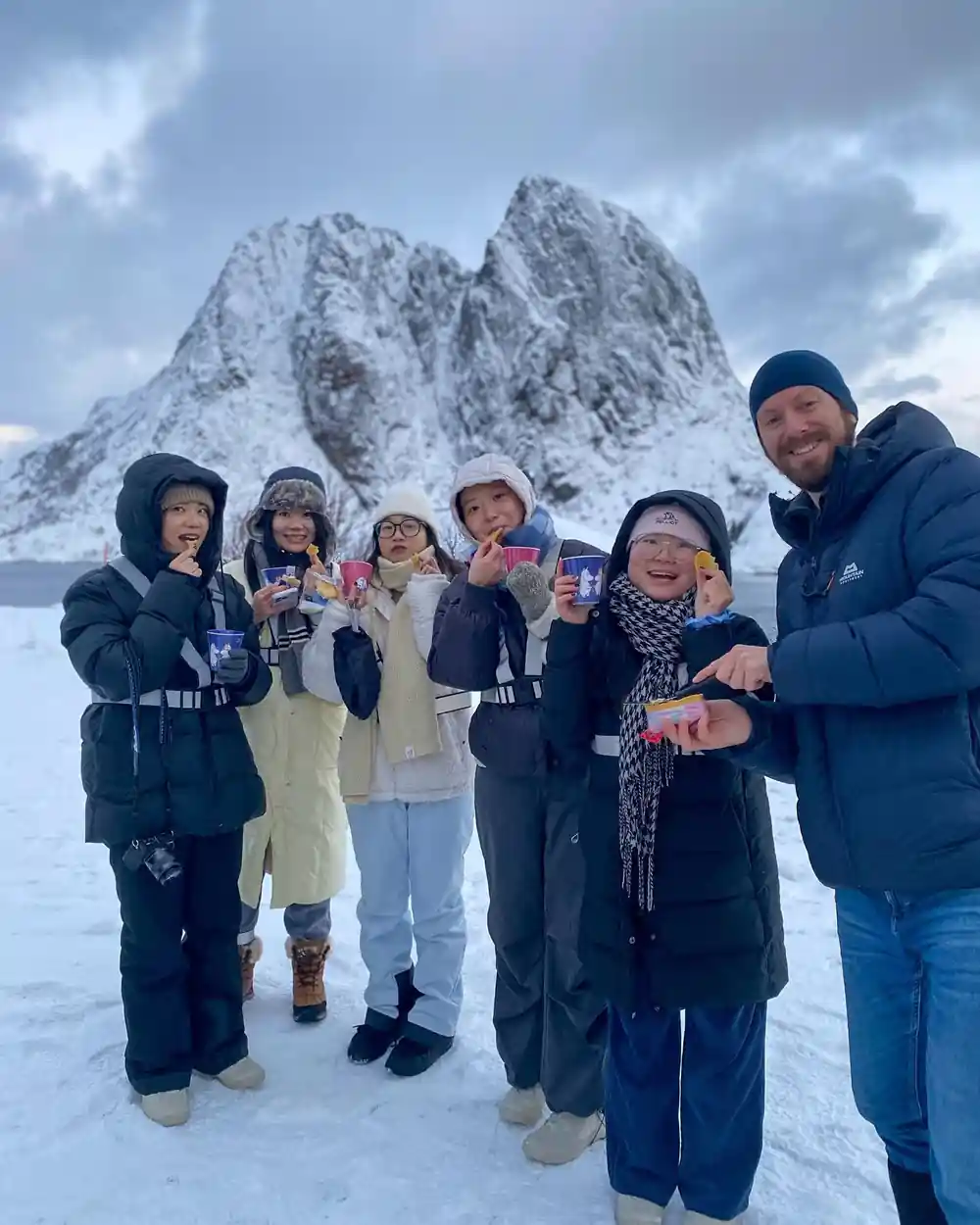
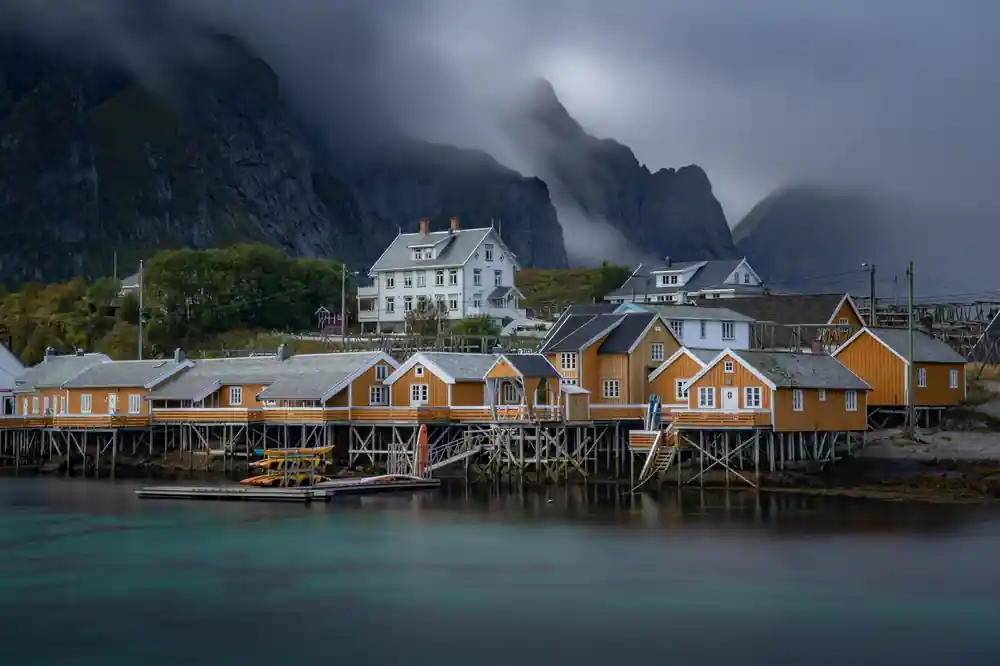
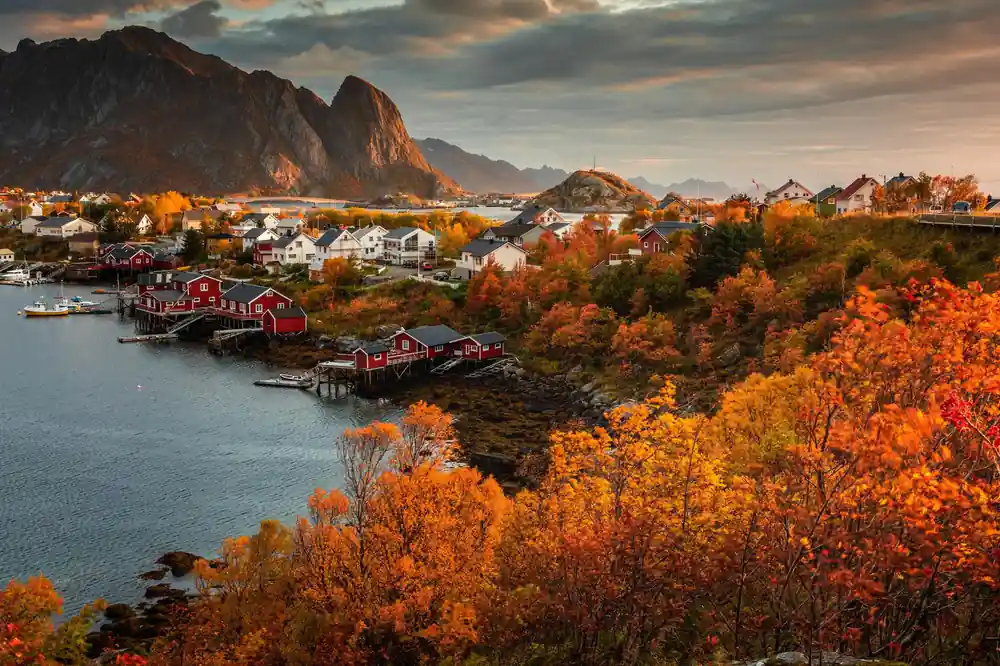
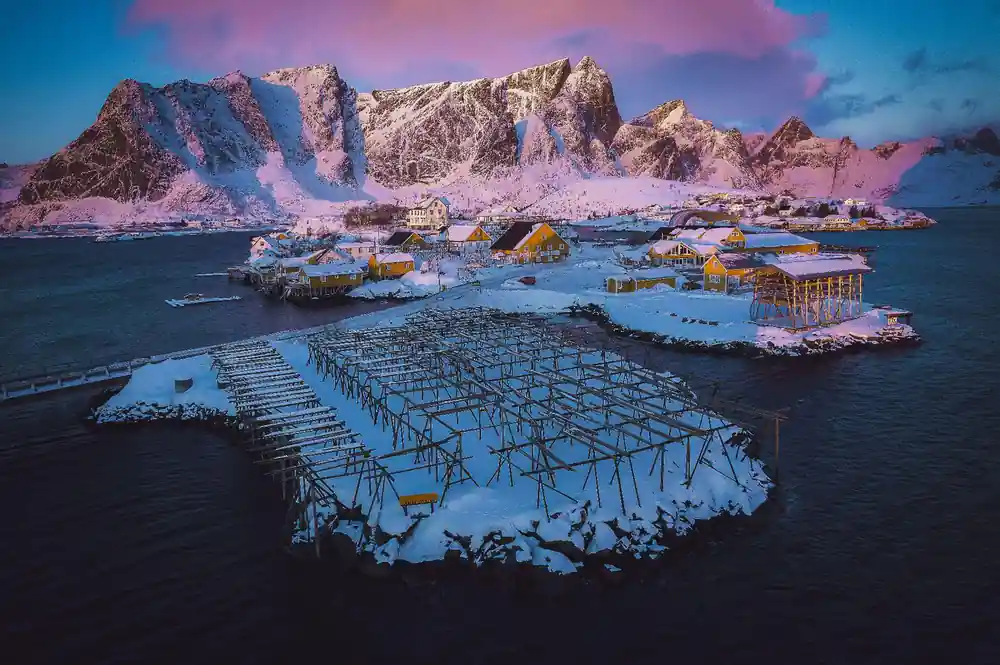
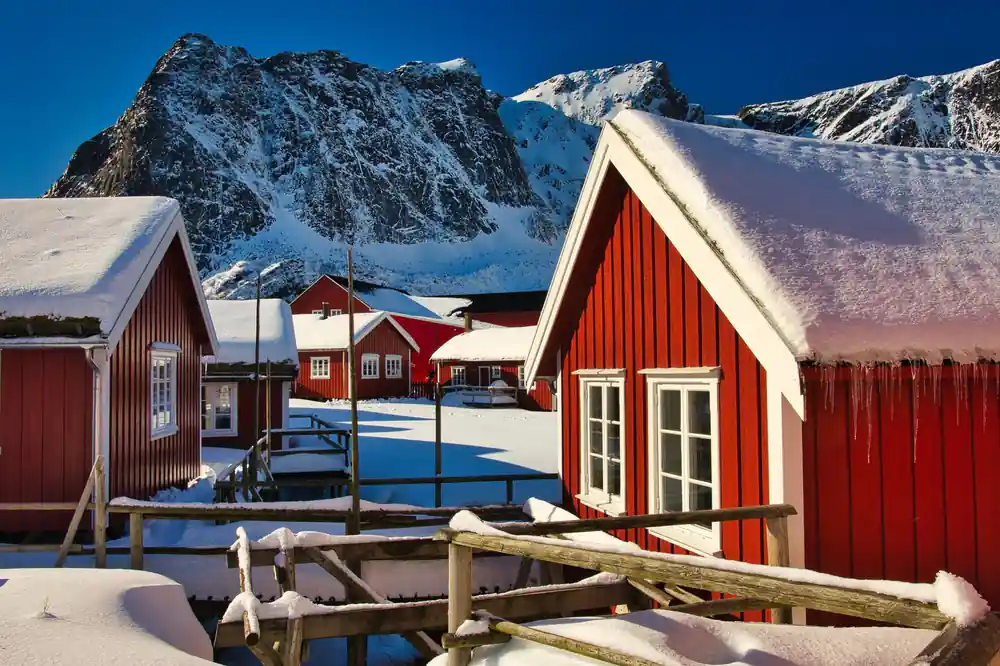
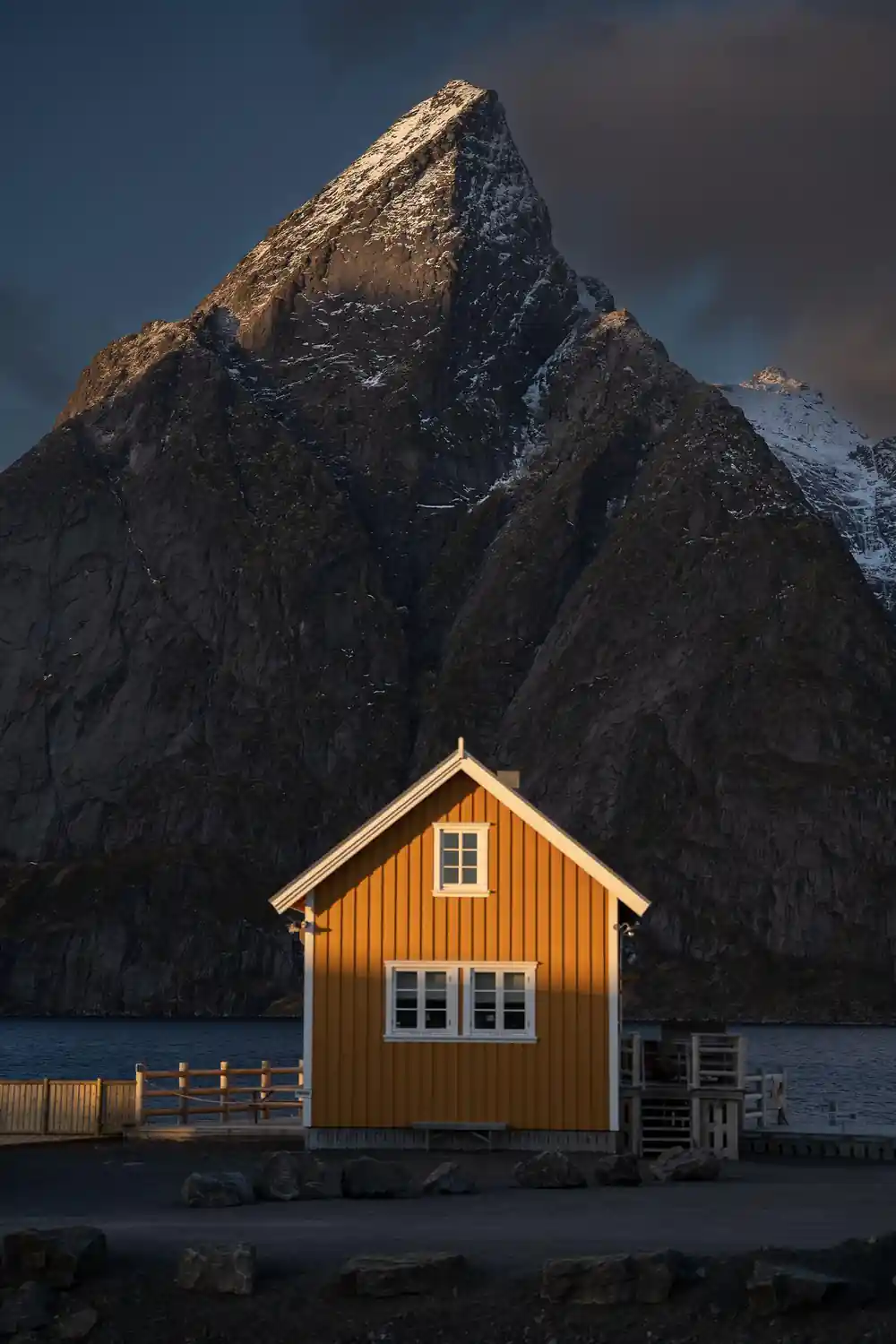
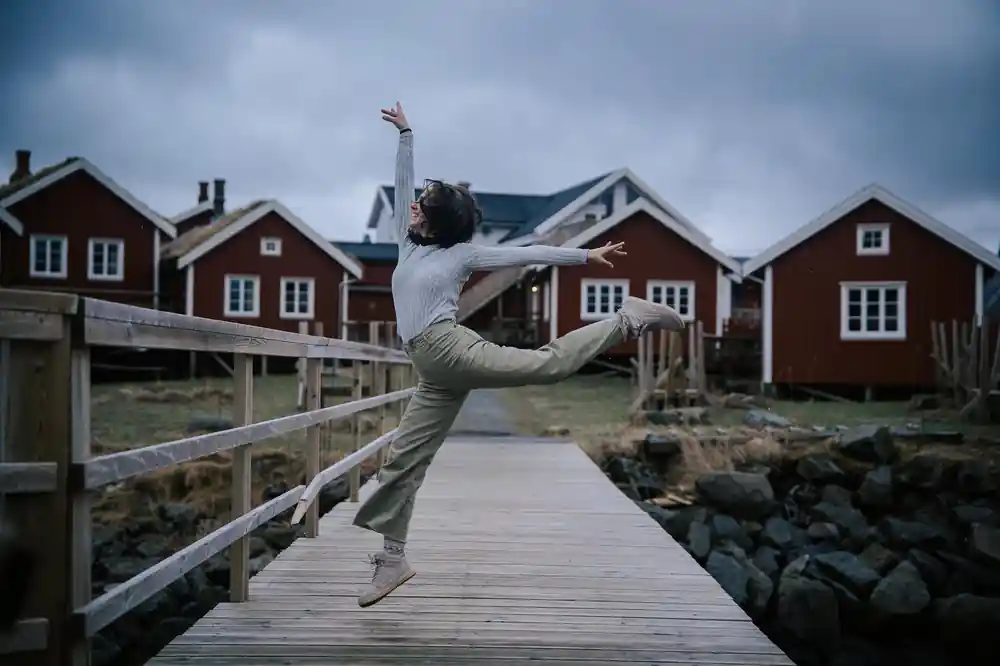
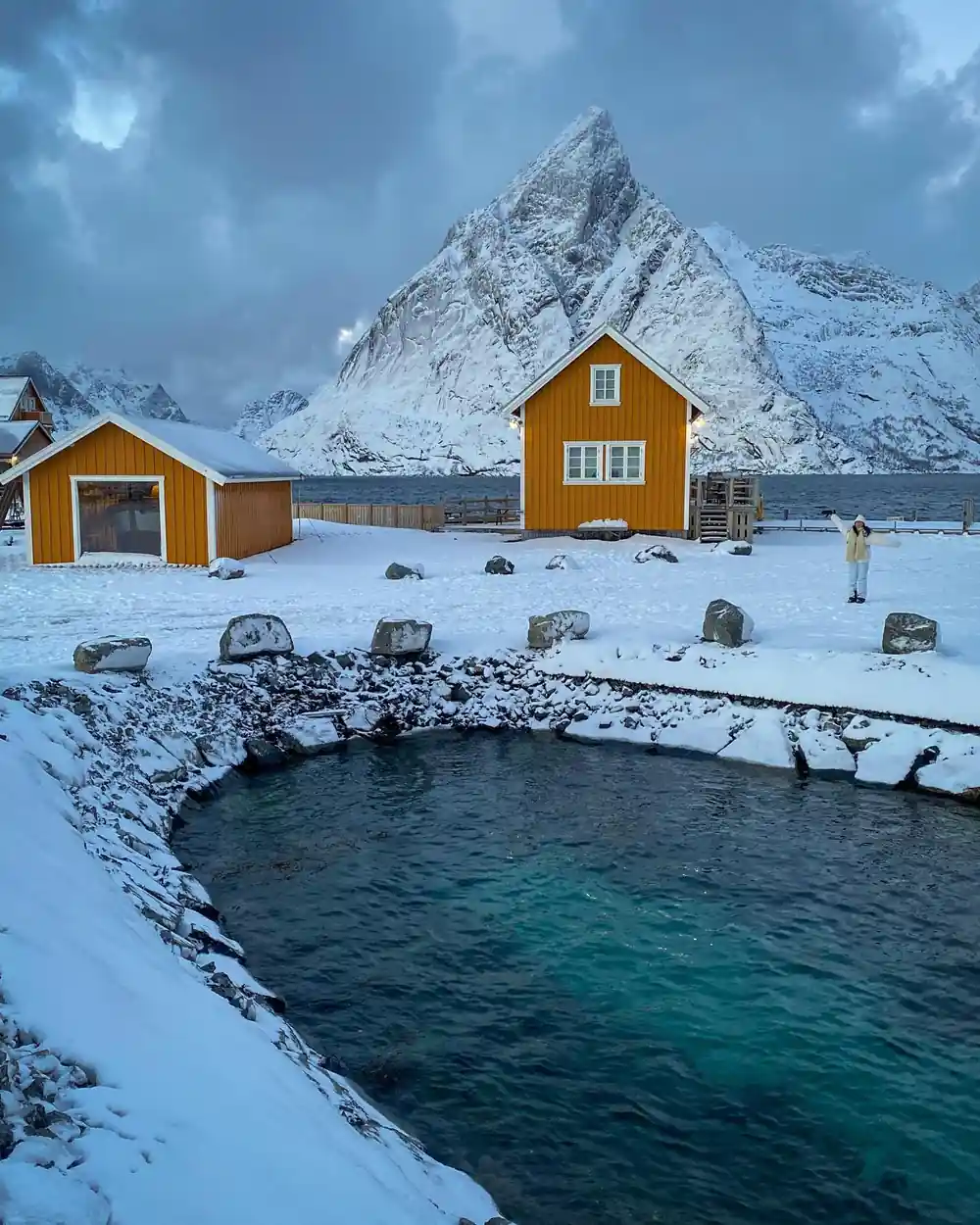
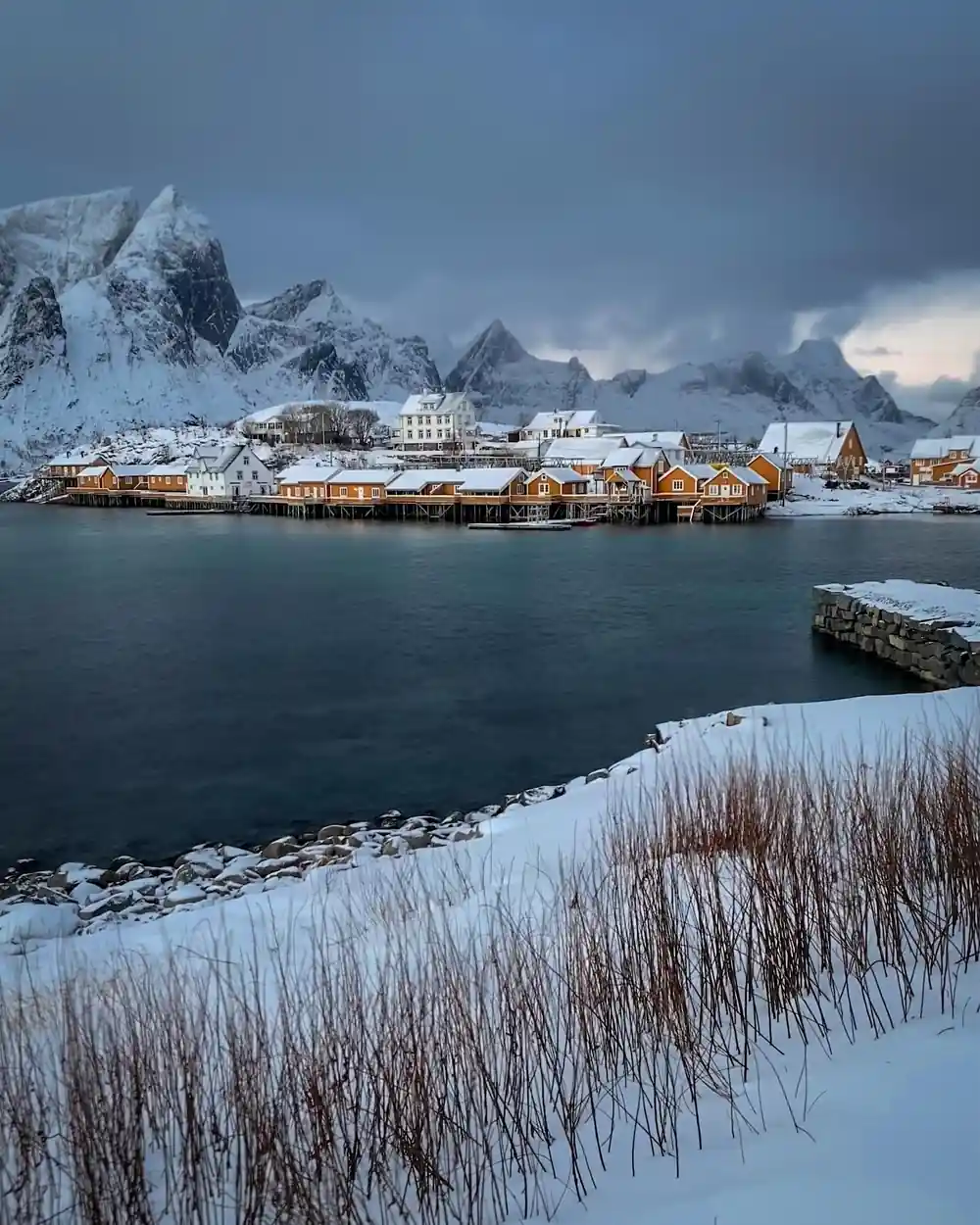
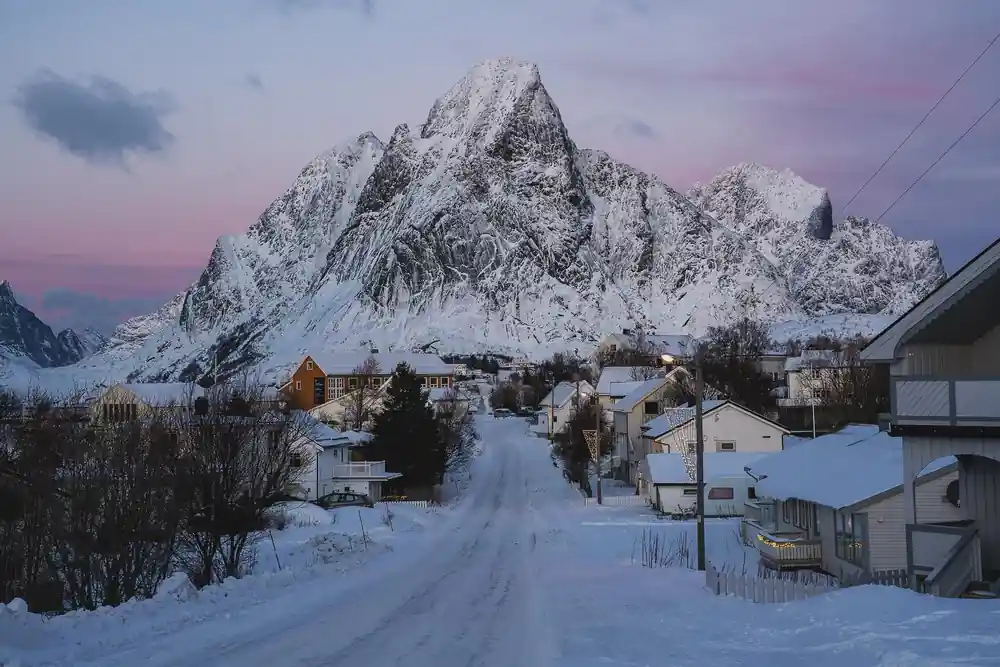
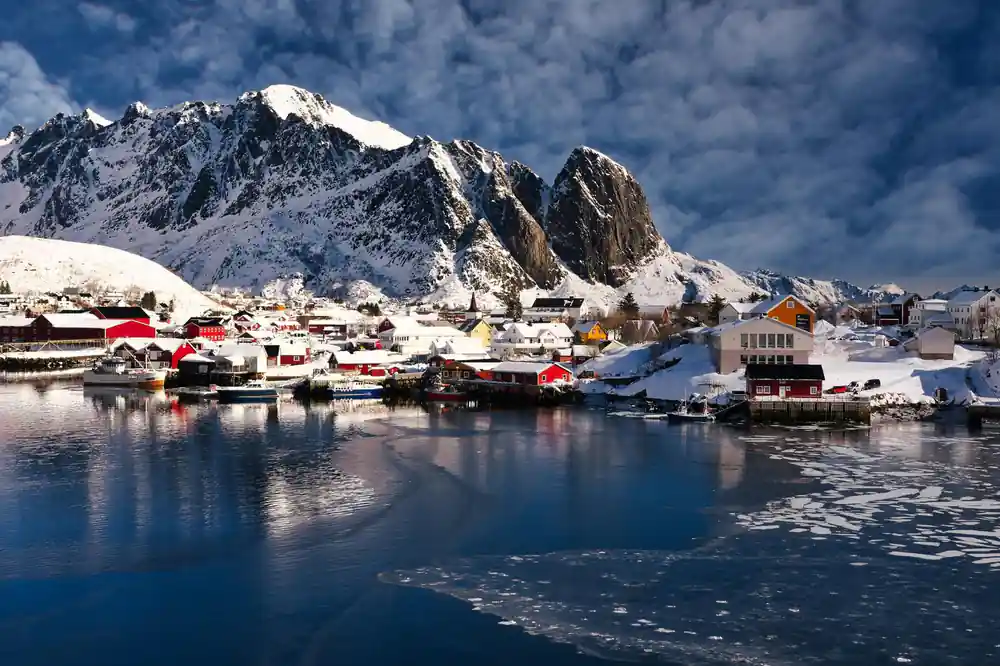
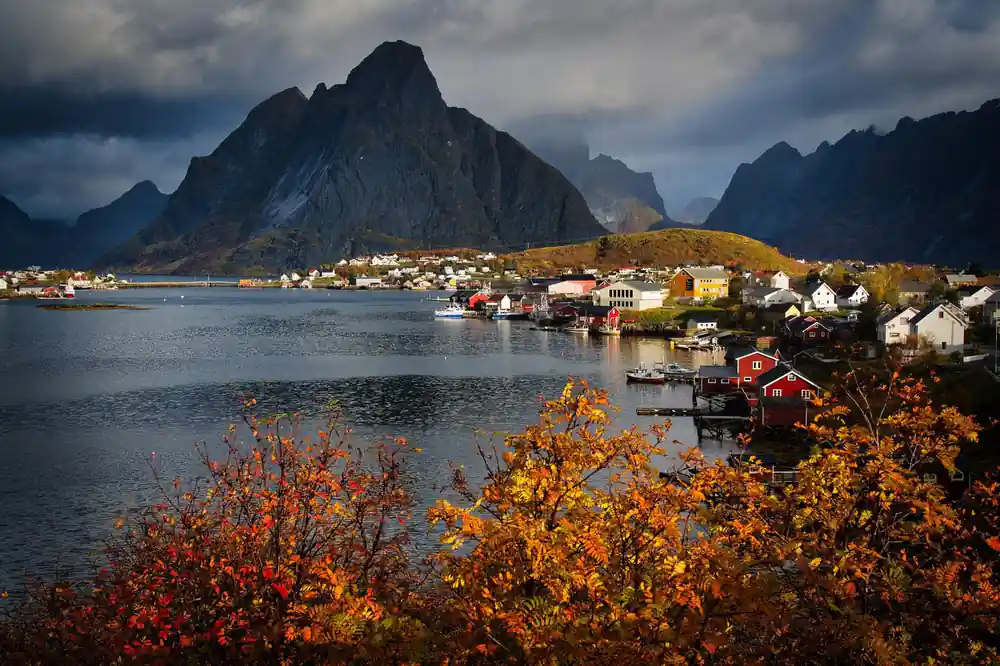
Reine's iconic rooflines need little help from filters to steal the frame
Film and Television Discover Lofoten
Production companies and filmmakers have recognized Lofoten's cinematic power, using the islands as a location for major films and television series. The dramatic rock formations, the quality of light, and the sense of isolation combine to create a landscape that reads as otherworldly on screen. Directors seeking authenticity and visual impact have found both in Reine and the surrounding villages, where the scenery requires little artificial enhancement. The presence of film crews became another form of validation: if Lofoten was worthy of professional cinematography and substantial budgets, it must truly be exceptional.
These productions introduced Lofoten to global audiences through narrative film rather than travel imagery, embedding the islands in popular culture. Viewers who had never heard of Reine found themselves watching scenes set in these villages, experiencing the landscape through dramatic storytelling. The films added layers of meaning and emotional resonance to the geography, transforming mountains and water into settings where compelling human stories unfold.
Why Photographs Make Reine Look Unreal
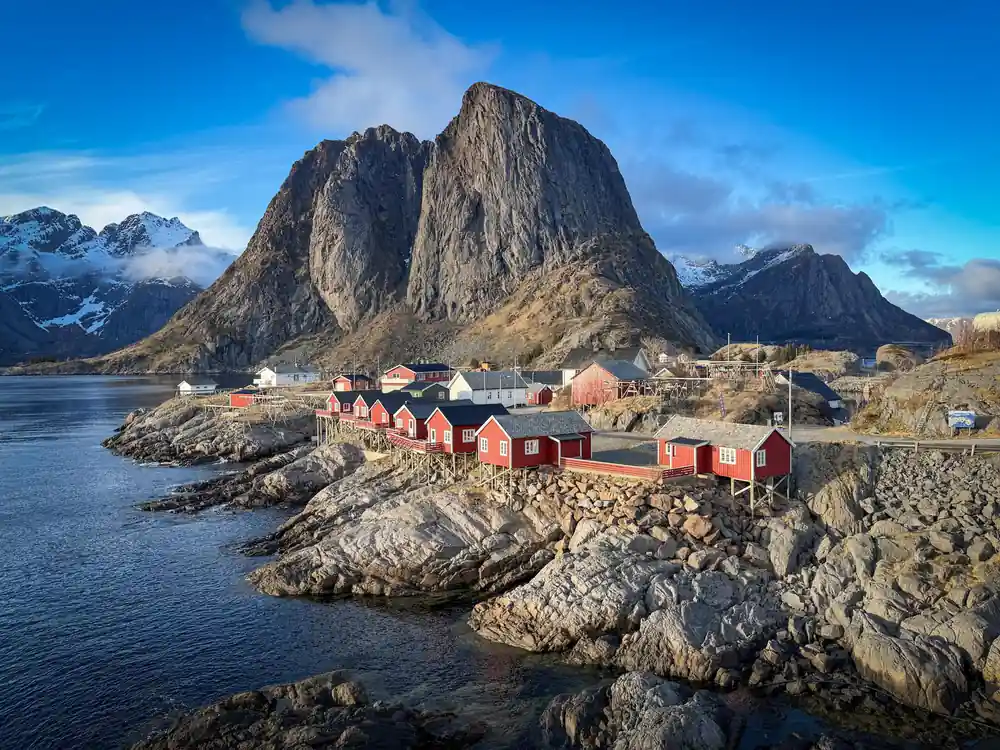
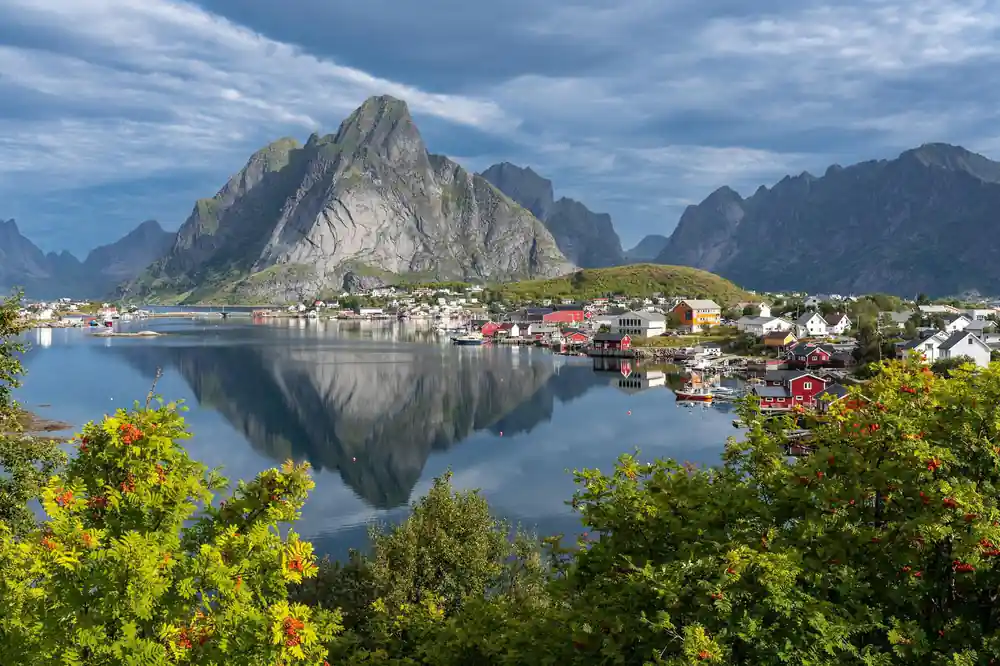
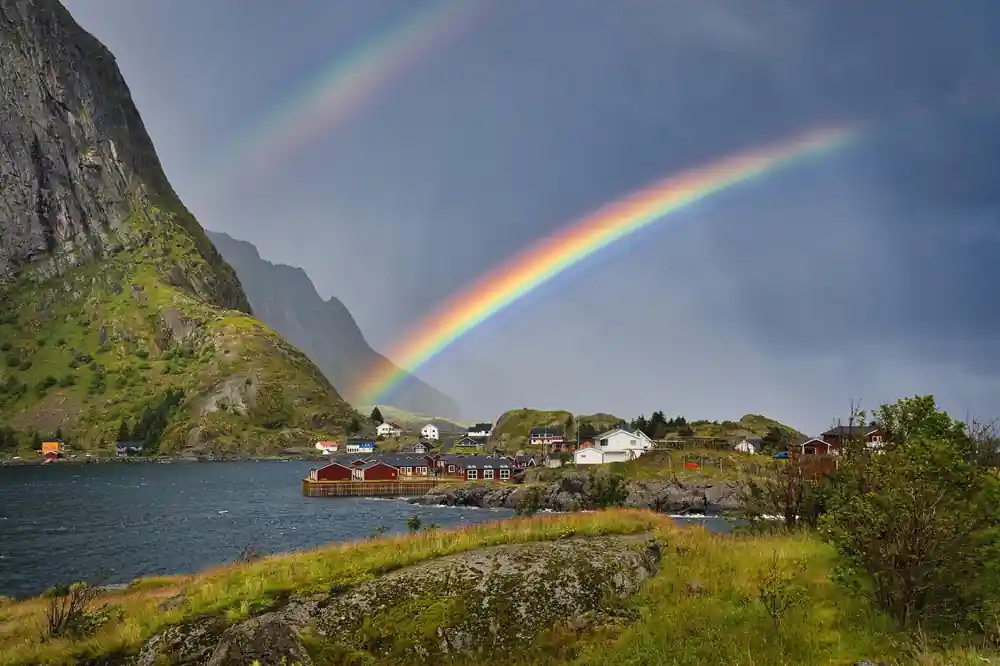
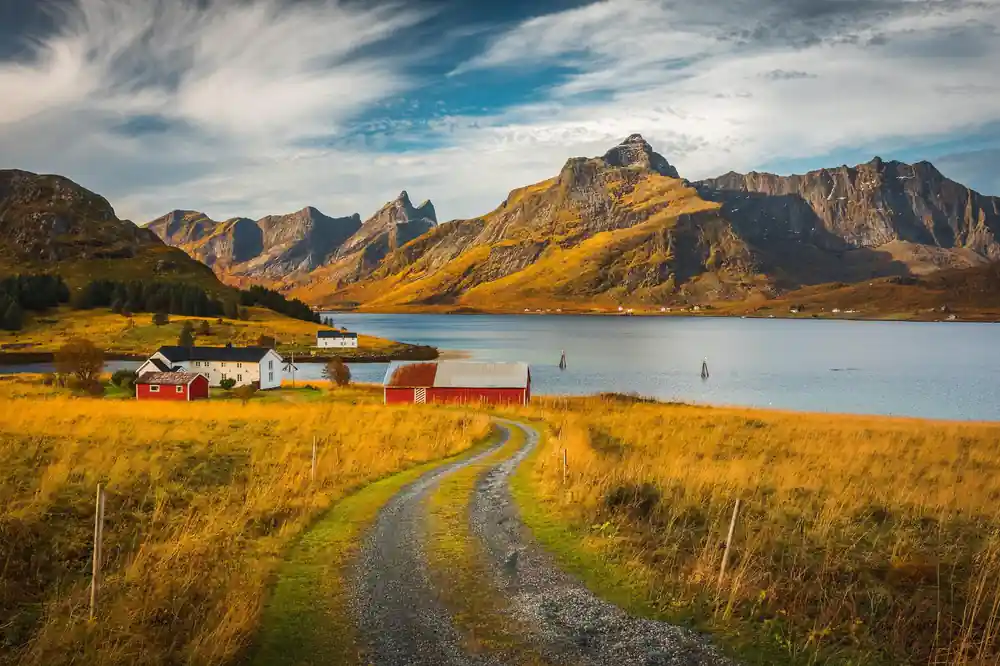
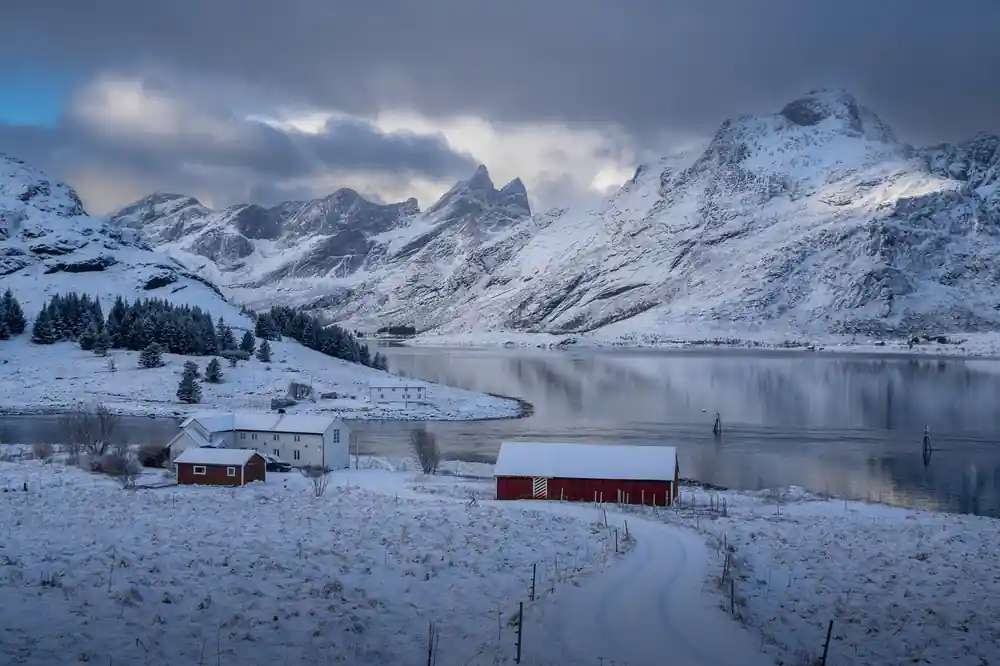
The light conditions in Lofoten during summer months produce an optical quality that surprises even experienced photographers. The high latitude means extended daylight hours and a sun that never fully sets, creating illumination that photographers describe as unusually clear and shadowless. The granite walls surrounding Reine act as natural reflectors, bouncing and diffusing light across the water and buildings. This combination produces images where colors appear saturated, contrasts seem heightened, and the three-dimensional landscape somehow reads as flatter and more graphically perfect than the human eye perceives standing in place.
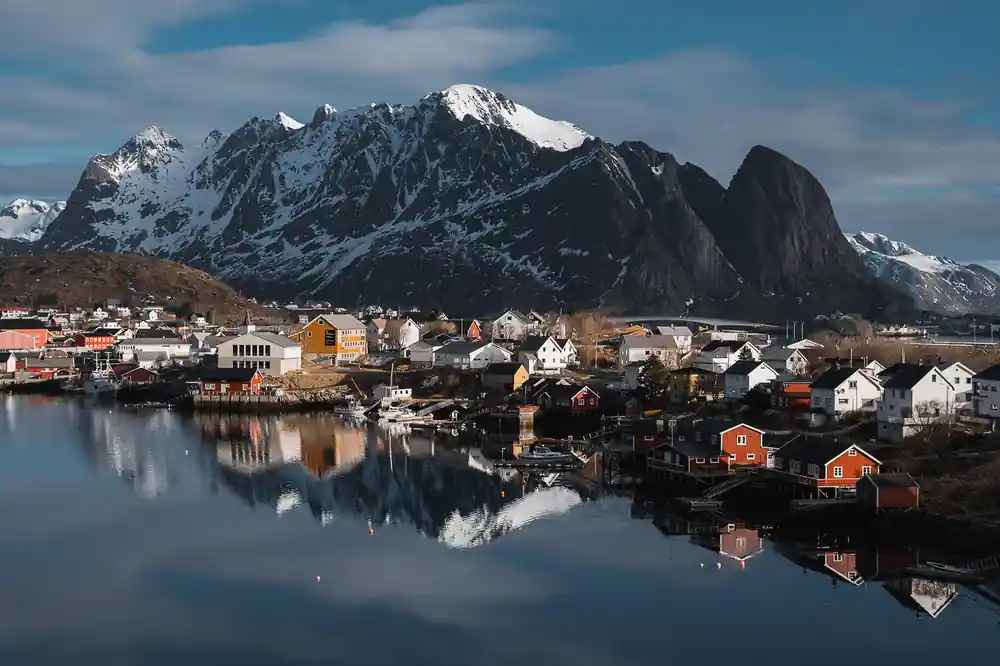
The water in Reinefjorden rarely exhibits the chop and texture of typical fjords; on calm days it becomes a mirror so complete that the boundary between sky and reflection dissolves. Photographers compose with this clarity as a given, and when their images circulate online and in print, viewers struggle to believe the scene is unmanipulated. The photographs are genuine, but the light itself performs a kind of enhancement, making Reine appear more like a constructed image than a real location where ordinary life continues.
The Arrival of Mass Tourism to the Islands
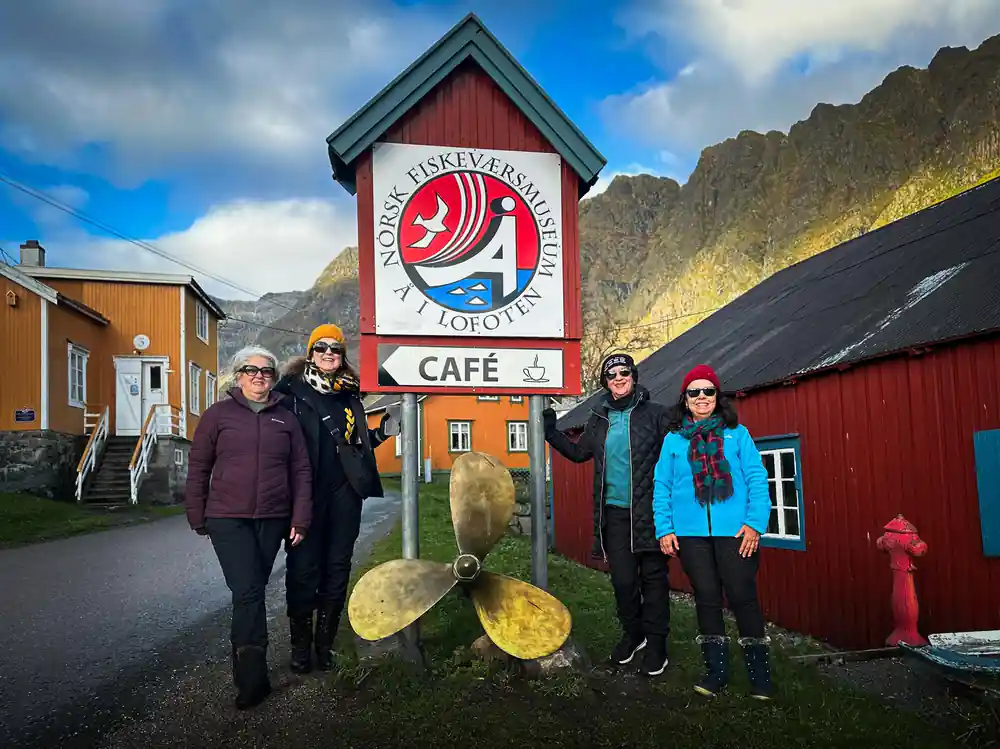
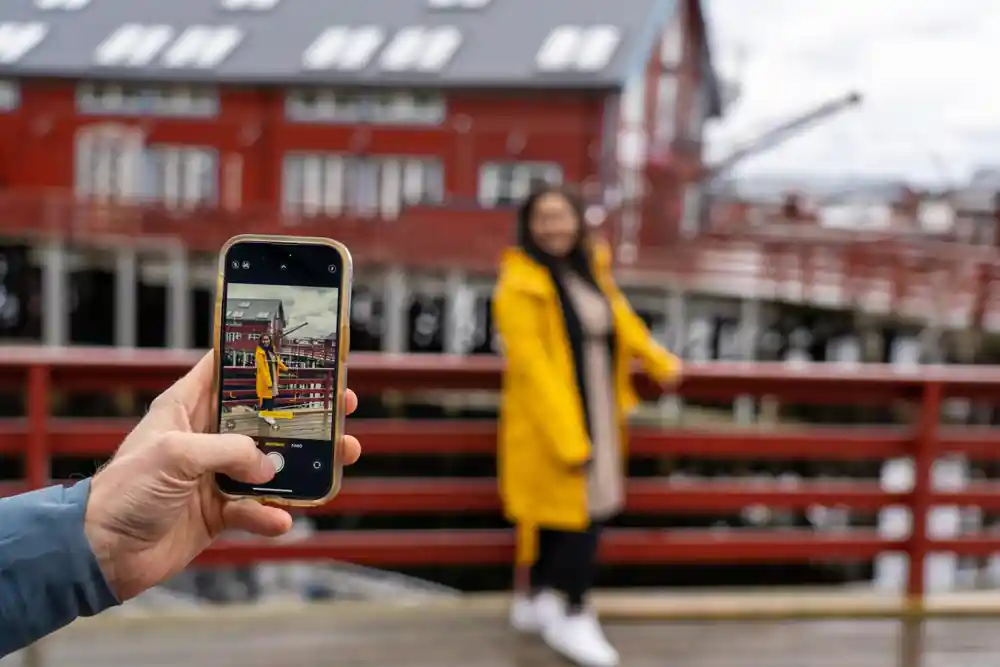
Tourism to Lofoten remained relatively modest and selective through the late 20th century. Access required planning; the drive north took time; accommodations were limited. The village retained its primary function as a fishing settlement with visitors as a secondary consideration. The transformation accelerated with improved infrastructure, expanded lodging options, and most significantly, the viral spread of social media imagery. Reine and nearby villages went from destinations that required effort and intention to photograph to places where every visitor automatically produced images for immediate global distribution. The volume of visitors increased exponentially, compressed into shorter seasonal windows, with each person seeking to recreate the canonical photographs they had encountered online.
What had been a slow accumulation of painters and photographers across decades now compressed into weeks of intense seasonal visitation. The infrastructure of the villages, designed for working fishing activity, adapted to accommodate tourism. The streets and viewpoints that had hosted individuals and small groups now filled with coordinated tour groups and self-guided visitors, all seeking the same angles and compositions they had seen in magazines and on screens.
The Postcard Viewpoint and Photography Culture
One specific viewpoint above Reine has emerged as the dominant perspective, the angle that appears on postcards, in guidebooks, and across countless social media profiles. Photographers ascend to this elevated position to capture the village laid out below, with the Moskenes peaks creating a dramatic backdrop. The viewpoint offers an iconic composition that readers and travelers recognize instantly, a visual shorthand for Reine itself. The concentration of photographers at this single location creates a self-reinforcing cycle: because so many images come from this angle, it becomes the recognizable view; because it is recognizable, more photographers seek it out.
The existence of a canonical photograph creates a paradox for visitors. They arrive already knowing what Reine should look like, already possessing the image, and their photographs become variations on a established theme rather than personal discoveries. The viewpoint functions as a mandatory stop, less a matter of choice than of completion, as though seeing Reine requires possessing the postcard photograph.
Living with Constant Photography: The Local Perspective
Residents of Reine and surrounding villages navigate a landscape transformed by photographic attention. For those who live there by choice, the visual discovery of their home by the wider world carries mixed meaning. The influx of visitors and photographers has brought economic activity and investment that sustains the community. Hotels, restaurants, and tour operators exist now because tourists arrive to see what the photographs promised. Without the image cycle, the villages would face different economic pressures, potentially accelerating the decline that affects small communities throughout rural Norway. The photographs, in a real sense, have preserved Lofoten as an inhabited place rather than allowing it to empty.
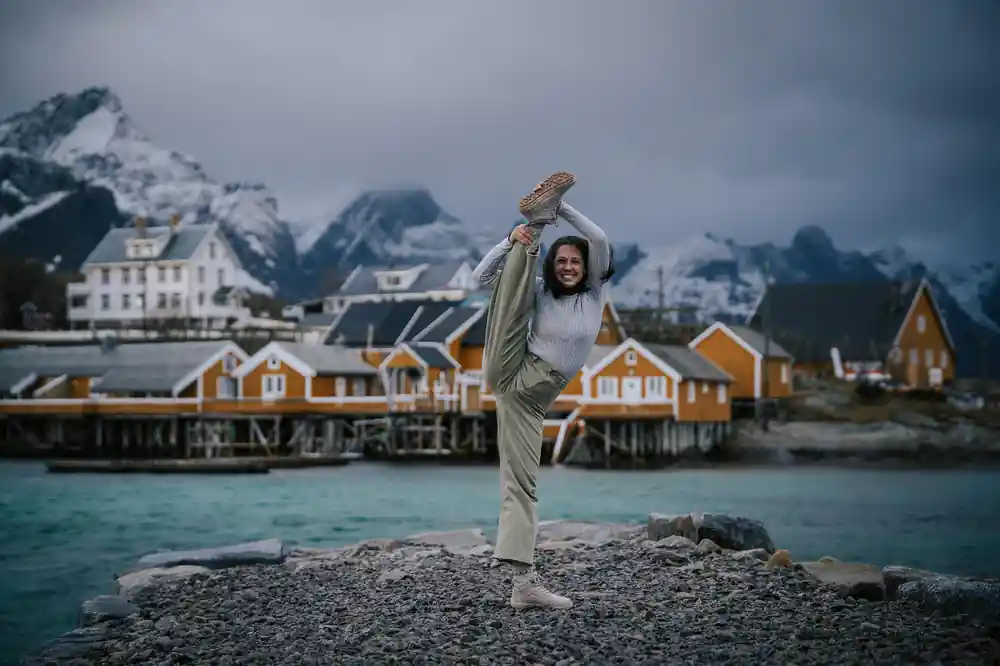
Yet constant photography and tourism presence inevitably changes the experience of living somewhere. Residents navigate landscapes crowded with strangers pursuing images, their everyday routines occurring against a backdrop of cameras and attention. The village becomes a backdrop for other people's experiences rather than simply a place where life unfolds. Some residents embrace the attention and the opportunities it creates; others experience it as intrusive and exhausting. What remains certain is that Reine exists now in two simultaneous states: as a real settlement where people fish, work, and raise families, and as an image, a visual idea that circulates globally and draws people to the actual place.
See Reine Through a Photographer's Eyes
from US$209Reserve now & pay later