In a nutshell
- September and early October offer stable weather, long daylight, and fewer visitors. March brings spring light perfect for photography across the Lofoten islands best time of year.
- September through March sees darkness needed for the northern lights in Lofoten islands. Note: this 9-hour daytime tour departs mid-morning, so aurora viewing requires separate evening plans.
- Late May through mid-July brings the midnight sun to Lofoten islands, with 24-hour daylight ideal for when to go to Lofoten islands if you want continuous exploration.
- Winter (November to February) brings snow, cold, and challenging road conditions. Summer stays mild. Rain by month peaks in autumn; check forecasts before booking your dates.
- April, May, and October draw fewer crowds while offering good daylight and manageable weather. June and July are busiest; winter months are calmest but require experience with snow driving.
Winter darkness and safe roads to Å
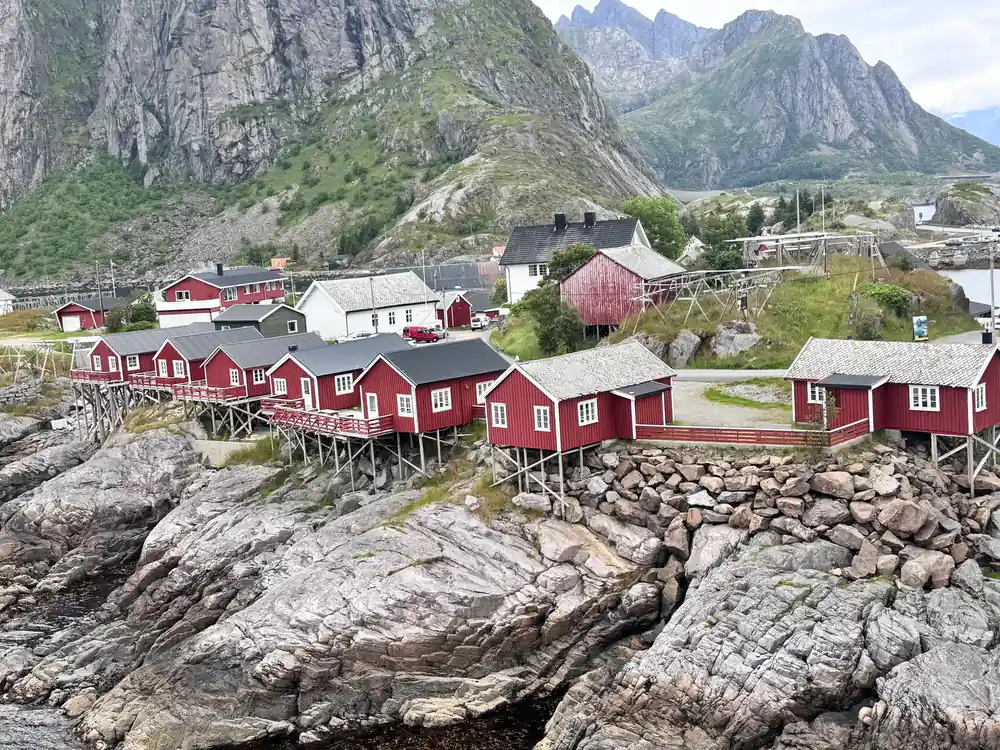
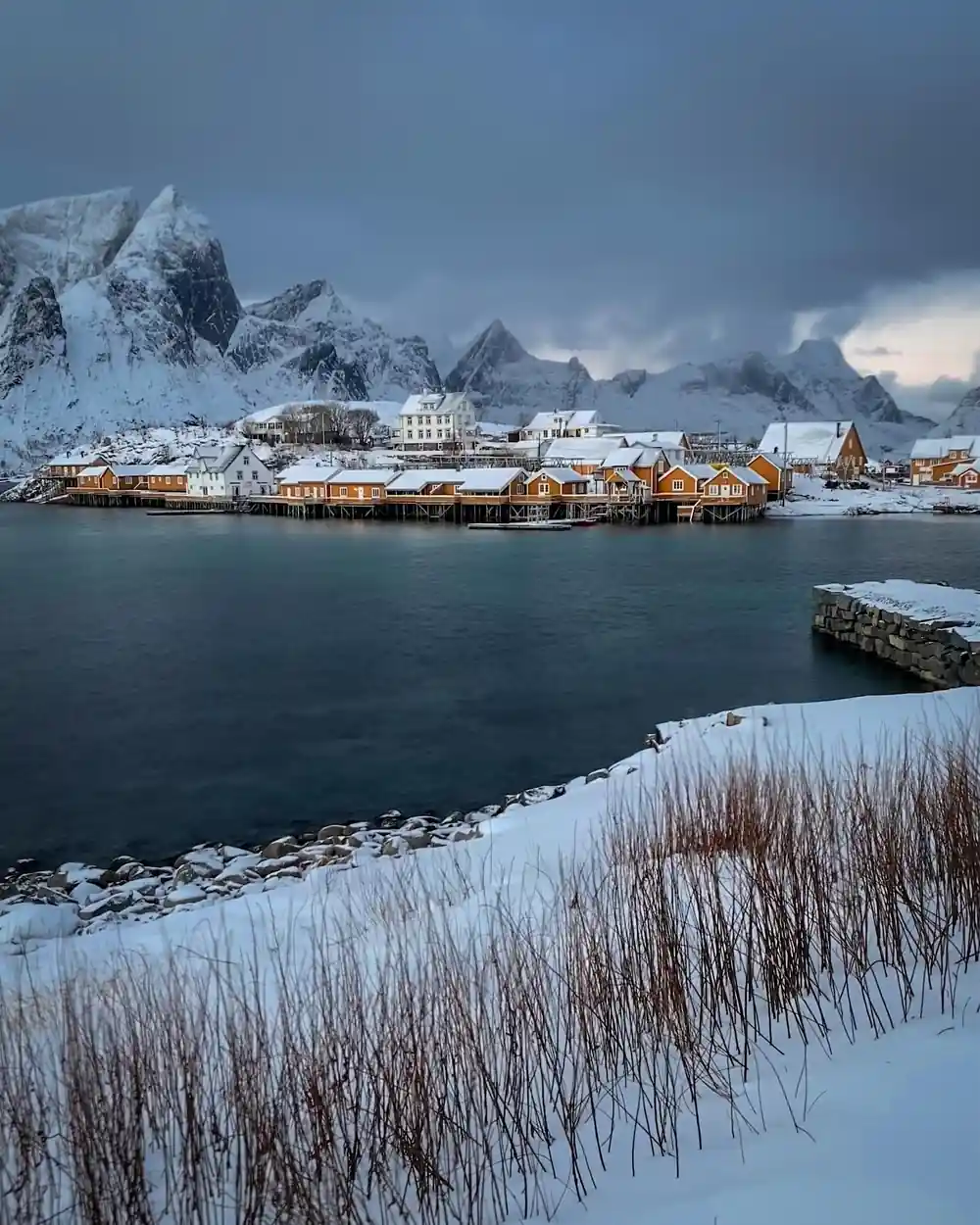
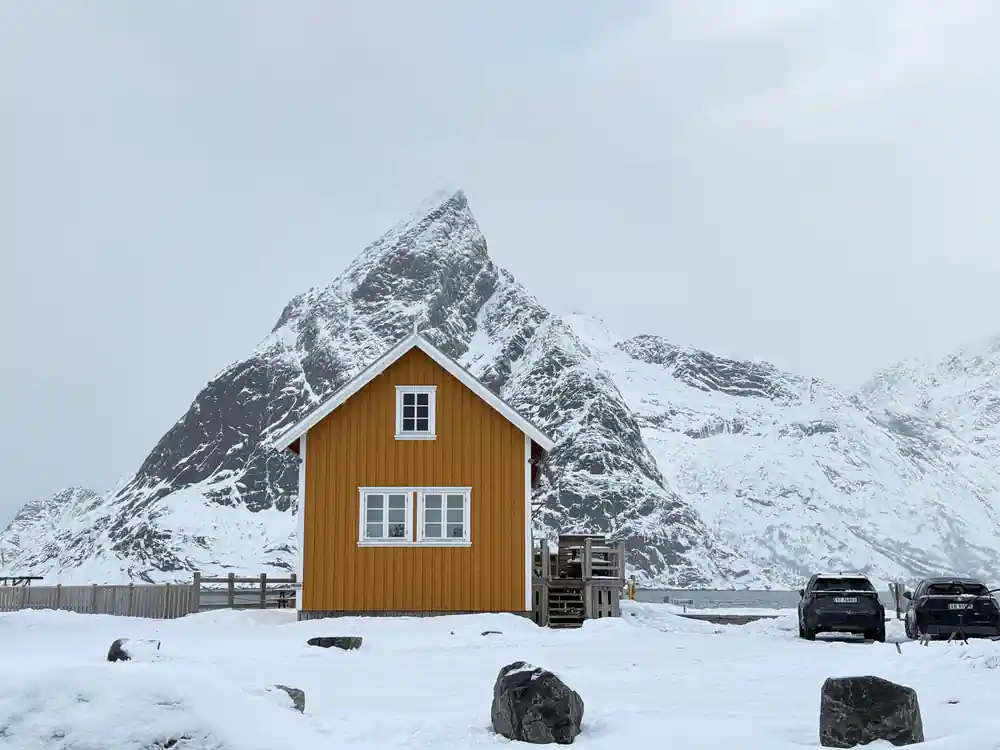
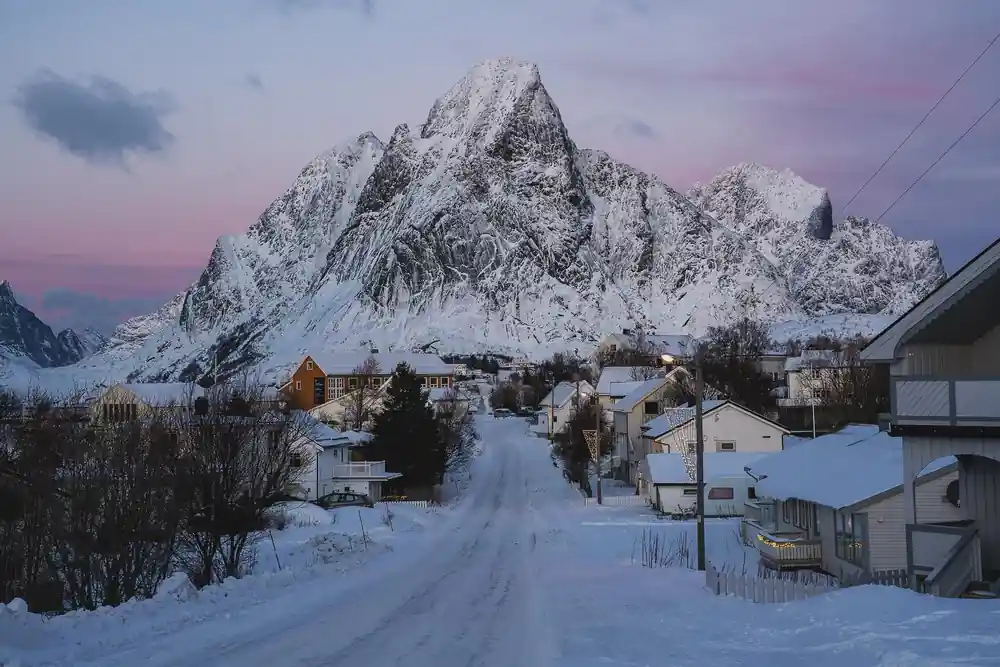
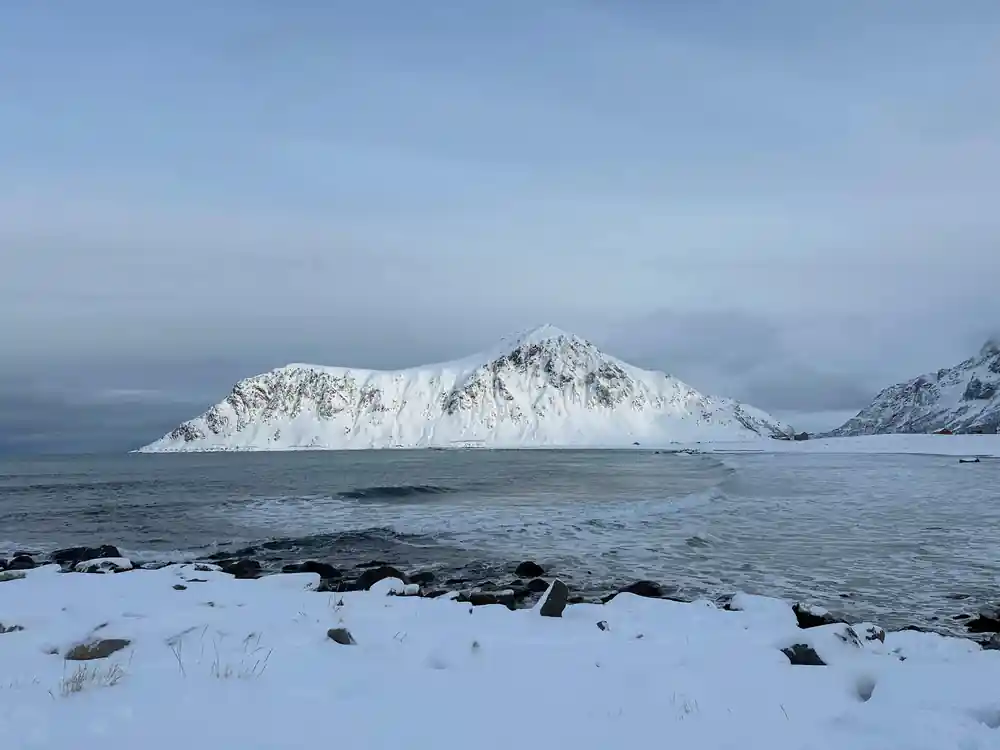
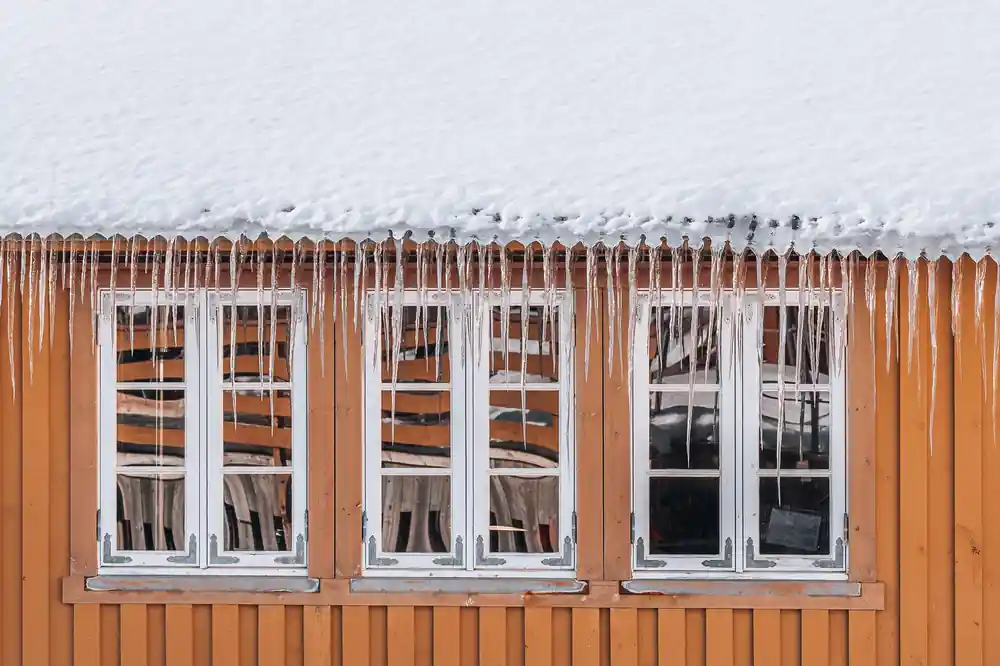
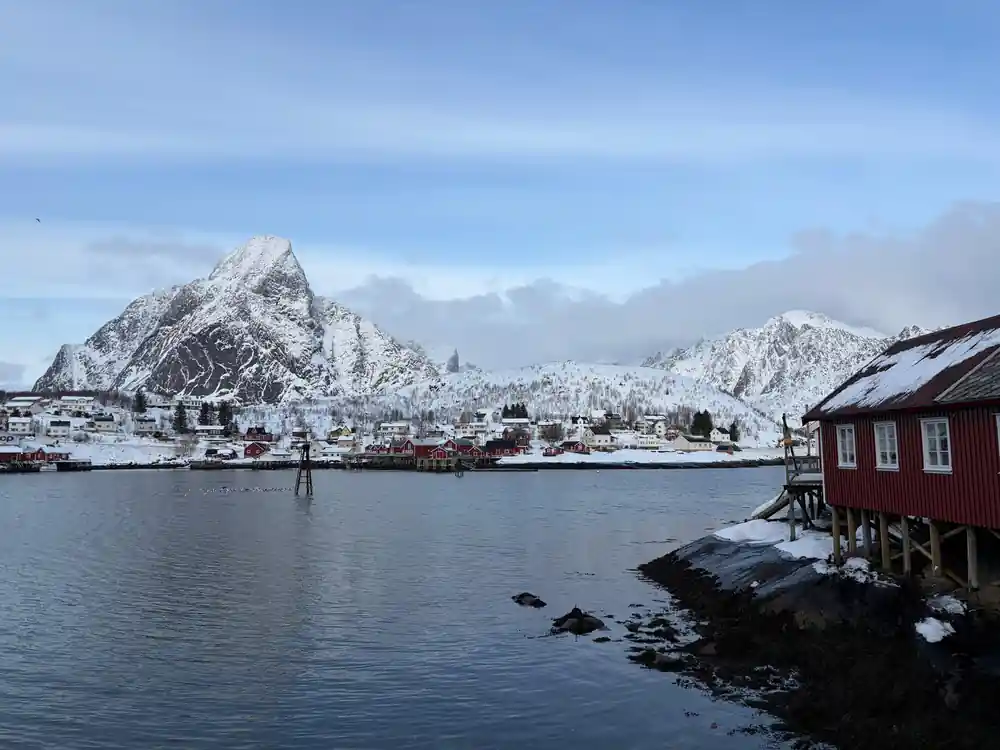
From November through January, Lofoten Islands Norway winter transforms the landscape into a realm of deep blue twilight and monochromatic snow. On a 9-hour daytime drive west toward Å, you'll experience only a few hours of dim, golden light at midday, even at noon. The E10 highway and smaller roads to Reine, Hamnøy, and Sakrisøy are maintained year-round, and winter tires are standard on tour vehicles. Snow lies thick across the mountains and fishing villages, turning the red rorbu cabins and boat houses into striking focal points against the white terrain.
This season draws fewer visitors, meaning you'll have quiet moments at each of the 7 stops on the itinerary. The drive itself becomes contemplative, with your local guide sharing stories about how Lofoten's fishing communities survive the polar night. Local winter weather can bring sudden changes, but the minivan provides comfort and stability. Many travelers come specifically for this period, drawn by the possibility of the northern lights, though daytime tours see only the afterglow of night-time displays rather than active auroras overhead.
Spring light and the shift toward midnight sun
By late February and March, the sun begins its return to the Arctic. Lofoten Islands in May offer daylight from roughly 4 a.m. to 11 p.m., but the spring months show the dramatic acceleration of this change week by week. Your nine-hour tour departing from Svolvær or Leknes will take place entirely in daylight by April, giving you clear visibility of every village, fjord, and mountain pass. The snow begins to melt in patches, revealing white sand beaches and the rocky character of the terrain beneath.
Spring brings unpredictable Lofoten Islands weather year round, with rain and wind common alongside clearer days. This is the quietest season for visiting, before summer tourism peaks. Photographers find the low-angle spring light flattering for the dramatic peaks around Reine and Sakrisøy. By the time May arrives, you'll experience continuous daylight, and the drive takes on an almost dreamlike quality as shadows grow shorter hour by hour.
Reine's fishing village glows beneath the midnight sun in June
Lofoten 24 hour sun and summer exploration
From June through early July, the sun barely dips below the horizon, and your daytime tour happens in nearly full daylight around the clock. The midnight sun phenomenon means you could theoretically continue exploring after your 9-hour tour ends, with enough light to photograph Å's red buildings or walk along Reine's waterfront deep into the evening. Lofoten Islands summer weather brings mild temperatures between 12 and 16 degrees Celsius, though rain remains frequent. The sea calms, and the minivan journey feels less about endurance and more about soaking in the landscape's full detail.
Summer is peak season, so villages like Hamnøy and Sakrisøy see more foot traffic. Tourist facilities are fully open, and restaurants offer their broadest menus. The light is ideal for photography, with colors rendered true and shadows minimal. Your guide can point out the seabird colonies nesting on cliff faces and explain the fishing practices that sustain these communities year-round. The drive to each of the 7 stops feels less like a transition between locations and more like movement through a continuously illuminated gallery.
Lofoten Islands October weather and autumn storms
October marks the beginning of Lofoten's dramatic autumn, when daylight shortens rapidly and storms roll in from the north Atlantic. Lofoten Islands October weather brings wind speeds that test the minivan and create wild, dynamic skies perfect for atmospheric photography. The sea turns gray and textured, and the light at midday takes on a bronze quality that photographers prize. Your nine-hour tour will likely include driving through genuine Arctic weather, complete with dark clouds and sudden shafts of sunlight across the fjords.
The autumn color in Lofoten is subtle compared to southern Europe, with birch trees shifting to gold and the tundra vegetation deepening in hue. Visitor numbers drop sharply after September, so you'll have space to linger at stops like Å i Lofoten without crowds. The roads remain open and safe, but conditions change hour to hour. Many travelers rank this season as offering the most dramatic and rewarding light for understanding why these remote villages persist in such an extreme landscape.
Northern lights visibility on a daytime tour
The question of whether northern lights appear on a daytime tour requires clarity: the aurora borealis is an evening and night phenomenon. During the 9-hour daytime hours of a Svolvær or Leknes departure, the sun prevents auroras from being visible overhead. However, Lofoten Islands or Tromsø discussions often overlook a middle ground. In deep winter, if your tour departs early enough and daylight is minimal, you might witness the faint green glow of a very strong aurora in the twilight hours just before midday.
The tour's value in winter lies instead in the dramatic landscape illuminated by the low, slow-moving sun and the constant possibility that an active aurora display happened the night before. Your local guide can explain aurora science and point out locations where evening tours or independent travelers spotted displays. If northern lights are your primary goal, a separate evening excursion or a longer winter stay complements this daytime experience perfectly. The landscape itself, shaped by the same Arctic forces that create auroras, remains the daytime tour's true focus.
What each season reveals in the villages
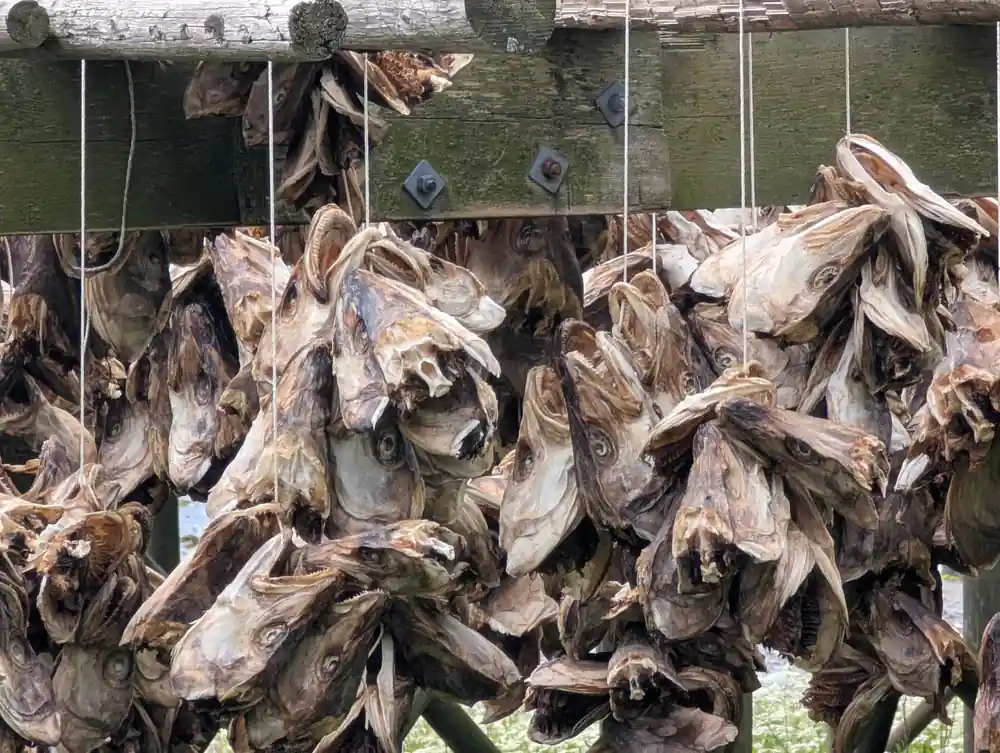
The cod-drying racks that define Lofoten's visual character fill with fish from January through March, a crucial part of the winter fishing season and the source of the dried cod export trade. Your daytime tour stops at Hamnøy and Sakrisøy partly to witness these structures, which stand empty or sparsely populated in other seasons. Reine's harbor changes character with each season too, from packed with fishing boats and seabirds in winter to calmer and more tourist-oriented in summer. The light falling on these villages fundamentally alters their appearance and what you can photograph or understand about daily rhythms.
Walking through Å i Lofoten, the westernmost village on the itinerary, reveals seasonal shifts in what shops are open, what boats are moored, and whether locals outnumber visitors. A spring or autumn tour offers more genuine interaction with residents going about their work. Summer transforms the villages into active tourist destinations with full infrastructure, while winter shows their quieter, working character. The nine-hour pace allows you to absorb these details rather than merely passing through.
Choosing your season for the best photography light
Photographers often find spring and autumn offer the most distinctive light on a Lofoten Islands drive. The low, angled sun in April and May creates sharp shadows and dramatic color separation on the mountains and villages. October's bronze and pewter tones, combined with active cloud formations, produce moody, dimensional images. Summer's 24-hour daylight is technically ideal for clarity but lacks the contrast and warmth that make individual frames striking. Winter demands fast film or high ISO but rewards with an ethereal, monochromatic quality unique to polar regions.
Your local guide, living in Lofoten, can advise on the specific conditions of your departure date and suggest which stops along the Flakstadpollen, Flakstad, Ramberg, and other sections of the route will photograph best at that time of day and season. Early morning or late afternoon isn't an option on some winter tours due to darkness, but the guide ensures you stop during the optimal light window. Bringing a tripod, polarizing filter, and weather-sealed gear prepares you for whatever Lofoten's climate delivers. The landscape's scale and drama reward effort invested in capturing it thoughtfully.
Ready to explore? Book your winter guide today
from US$209Reserve now & pay later