In a nutshell
- The famous 1,978-step Sherpa stairway up Reinebringen takes 3 - 4 hours round trip. This 9-hour tour cannot fit a summit climb while visiting all stops.
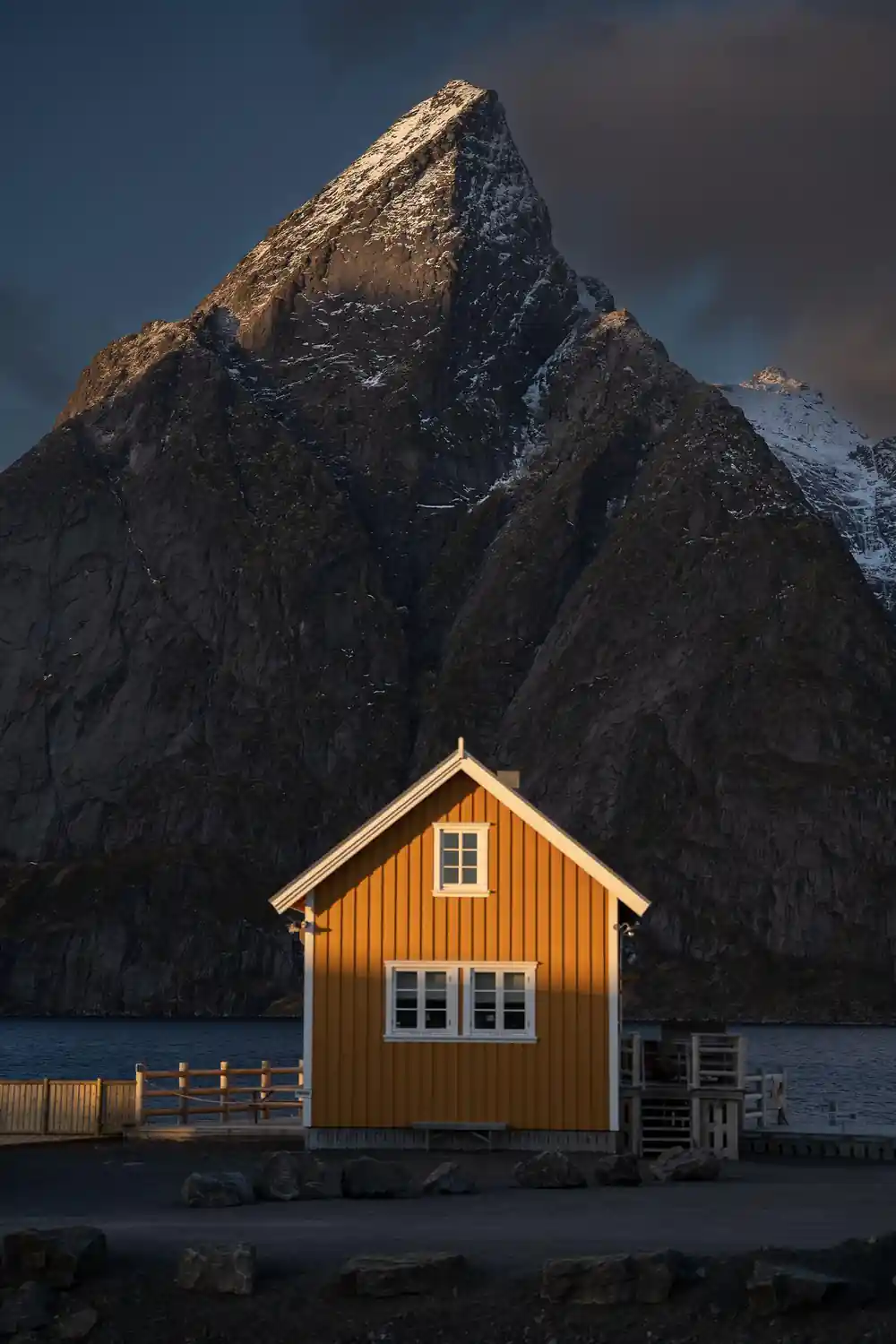
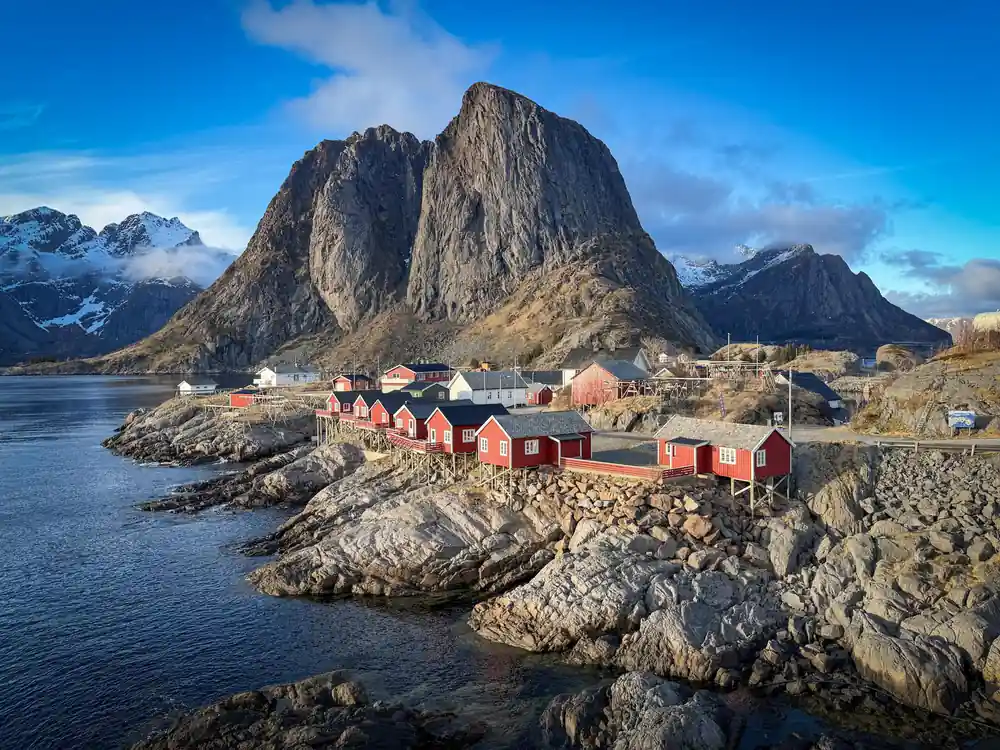
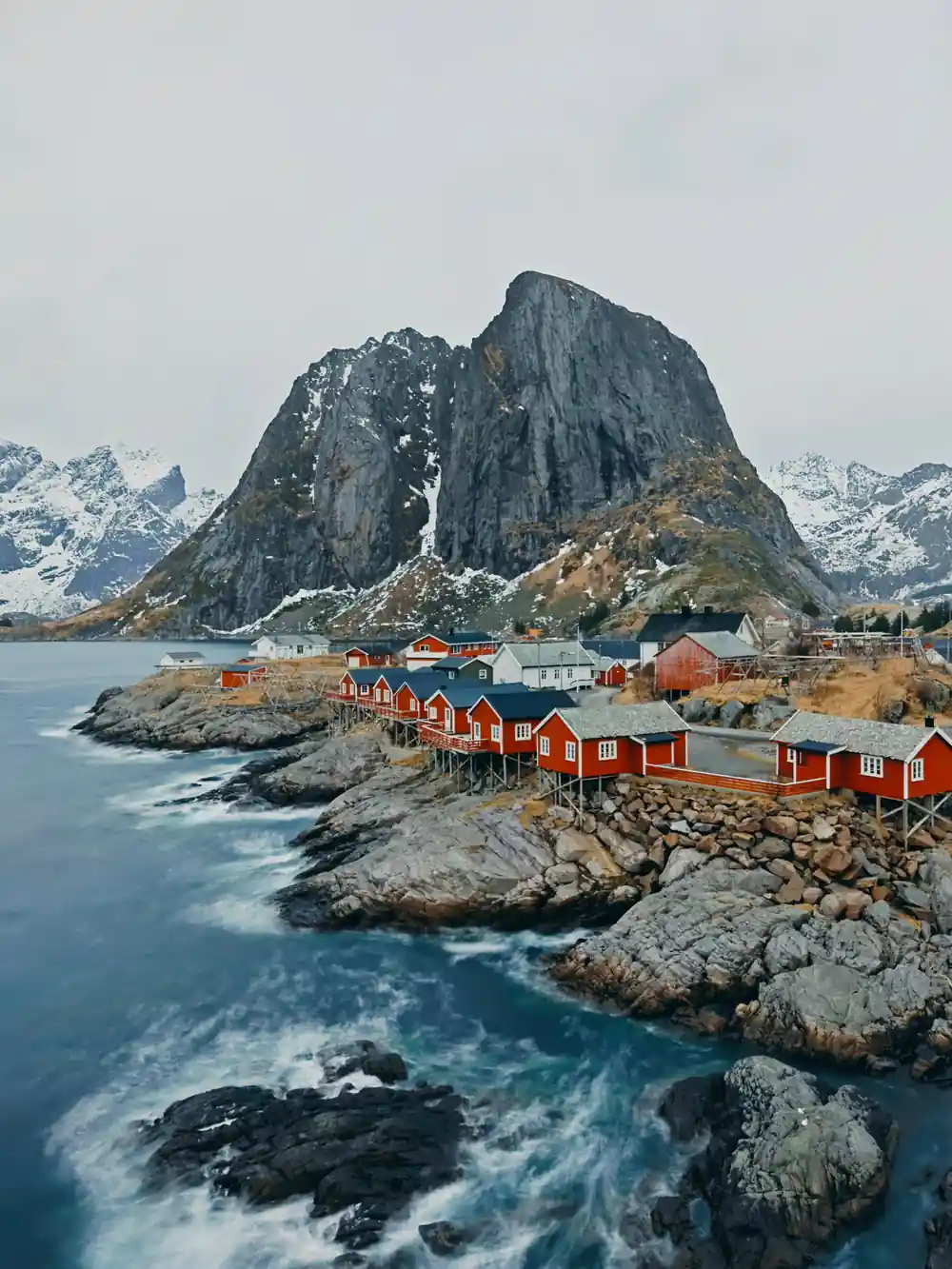
- Dramatic granite mountains rise sheer from the sea above Reine, Hamnøy, and Sakrisøy. These distinctive peaks create the iconic views that draw photographers worldwide.
- Lofoten Islands easy hikes near your tour stops let you stretch your legs: level walks through Å village, paths around Hamnøy's rorbu cabins, and viewpoints above Reine village that need no long commitment.
- Glaciers carved these fjords, leaving sheer rock faces that drop straight into the sea. The dramatic geology is the reason these villages became so visually striking.
- Beaches and coves dot the Lofoten coastline near Reine. Some are reached by short shore walks; others by boat. Your guide can point out what is reachable during your time at each stop.
The Sherpa Stone Stairway Up Reinebringen
Reinebringen, the signature peak looming 448 meters above Reine village, draws hikers from across the globe to its summit for one of Norway's most photographed views. What makes the ascent famous is not the height but the method: Nepalese Sherpas have built a remarkable stone stairway of approximately 1,978 hand-placed steps that switchback up the mountainside. These skilled craftspeople, brought to Lofoten for their mountain expertise, have constructed a path where a steep scramble once required climbing chains and handholds. The stairway transforms what was a dangerous scramble into a challenging but manageable hike, reducing a 2-3 hour ascent to about 90 minutes for experienced hikers.
The Sherpas who built this trail brought techniques refined over generations in the Himalayas, where they guide climbers on Everest and other major peaks. In Lofoten, their work has made the mountain accessible to thousands each year who would otherwise lack the skill or nerve to reach the summit. The stone steps are laid without mortar, relying instead on careful placement and the weight of the mountain itself to hold them in place. This method suits the Arctic environment, where freeze-thaw cycles would destroy rigid concrete within a few seasons.
Why Reinebringen Cannot Be Climbed on This Tour
Though your 9-hour day tour passes through Reine and spends meaningful time in the village, a full ascent of Reinebringen is not part of the itinerary. The climb itself takes 90 minutes up and 60 minutes down for fit hikers, plus time to rest and absorb the view from the 448-meter summit. Within a structured group tour keeping to a schedule across 7 stops in Lofoten, adding this peak would either compress time at other villages or extend the day beyond what most travelers can manage. Your guide will show you where the trail begins and explain what you would see from the top, but the tour's design prioritizes variety across the islands over depth at a single location.
Stone steps descend steeply toward Reine village far below
Shorter Walks and Day Hikes Near Your Tour Stops
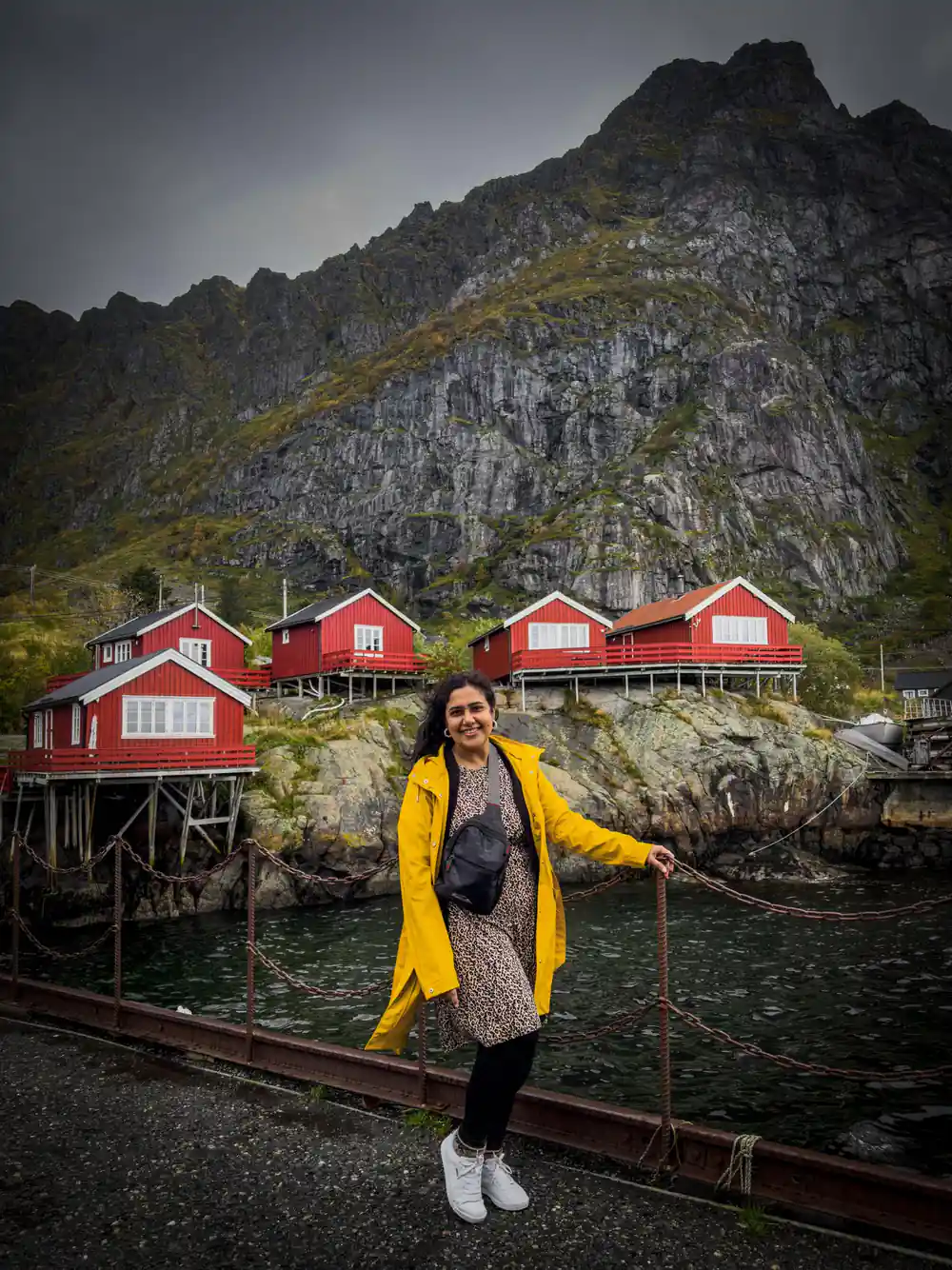
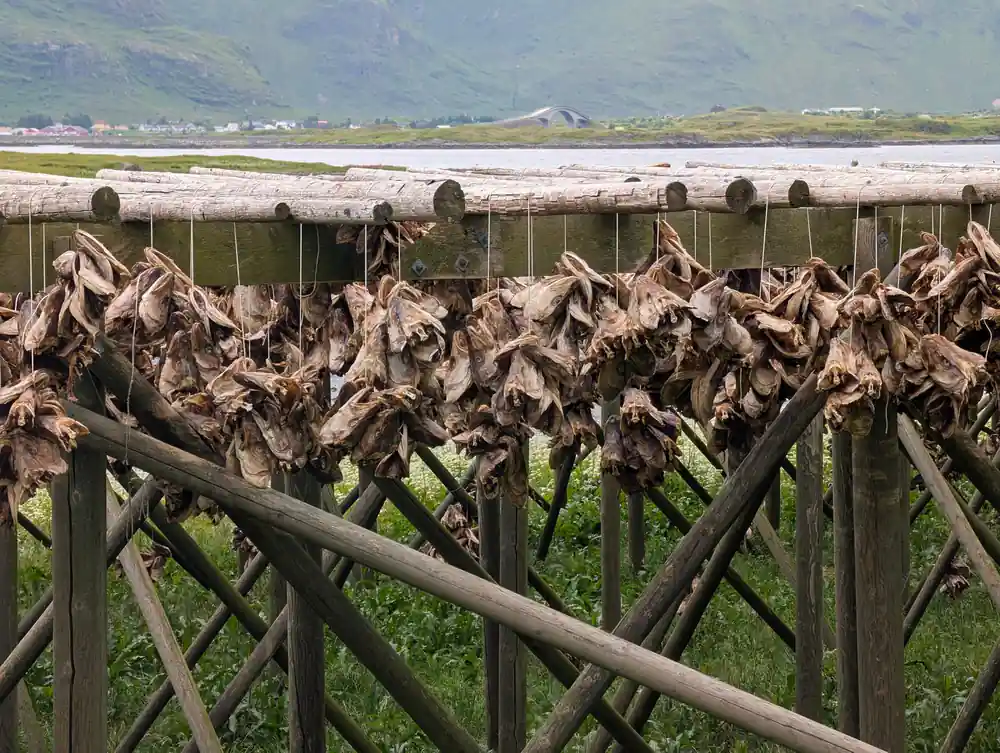
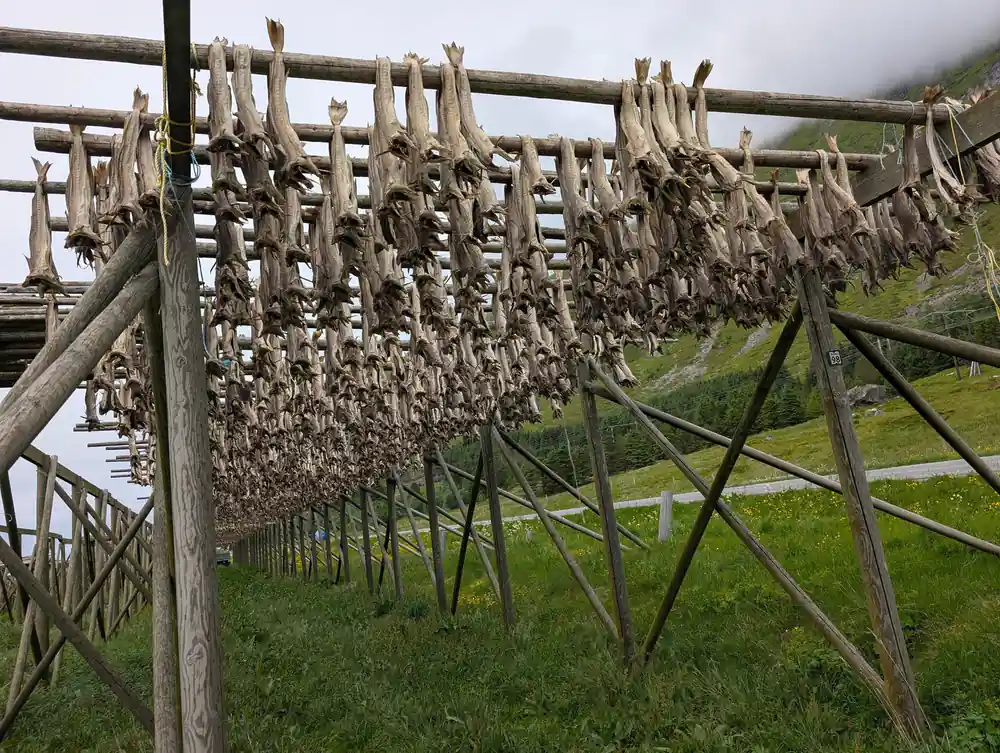
The villages and landscapes on your route offer numerous walks that fit comfortably within a day tour schedule. In Å i Lofoten, the southernmost village on your itinerary, you can walk through narrow lanes lined with traditional red fishing cabins and explore the old stockfish factory that still operates. The walk around the harbor takes 20-30 minutes and requires no special equipment. At Hamnøy, you'll find the iconic red cabin reflected in calm water, a scene that invites wandering and photography without any climbing. Sakrisøy, your next stop, offers gentle exploration of its waterfront and small community before you move on to Reine.
Hiking in Reine and the surrounding peaks opens up beyond Reinebringen itself. The Lofoten Islands climbing potential includes scrambles on lower peaks with views across the fjord, though these require a level of experience and involve unbuilt terrain. Shorter forest walks near Reine wind through low vegetation and offer perspectives on how the landscape rises from sea level to dramatic heights in just a few hundred meters. Your guide can recommend which walks suit your fitness level and the time available at each stop, turning the day into a blend of hiking, village exploration, and scenic drives through some of the world's most striking terrain.
When Avalanche Danger Closes the High Trails
When to hike Lofoten Islands depends partly on conditions beyond your control. From December through April, winter avalanche risk closes many high trails in the region, including the approach to Reinebringen's upper sections. Wet snow and spring melt in March and April create unstable slopes, particularly on faces that receive heavy precipitation. Your tour operates year-round, but the hiking options your guide can recommend will shift with the season. In summer months from June through September, when daylight extends into late evening and snow has cleared from all but the highest peaks, the full range of walks becomes available.
Autumn in September and October presents ideal conditions: stable trails, clear views, and the dramatic light of approaching winter without avalanche risk. Late spring, from May onward, sees the last of the snow melt away, though guides monitor conditions closely. If you're touring in winter, the dramatic landscape remains stunning, but your walking options concentrate on lower elevations and village exploration rather than alpine scrambles. Your local guide will have up-to-date knowledge of which trails are passable on the specific day of your visit.
1,978
The Sherpa-built stone stairway up Reinebringen contains approximately 1,978 steps.
Why These Peaks Rise Straight From the Sea
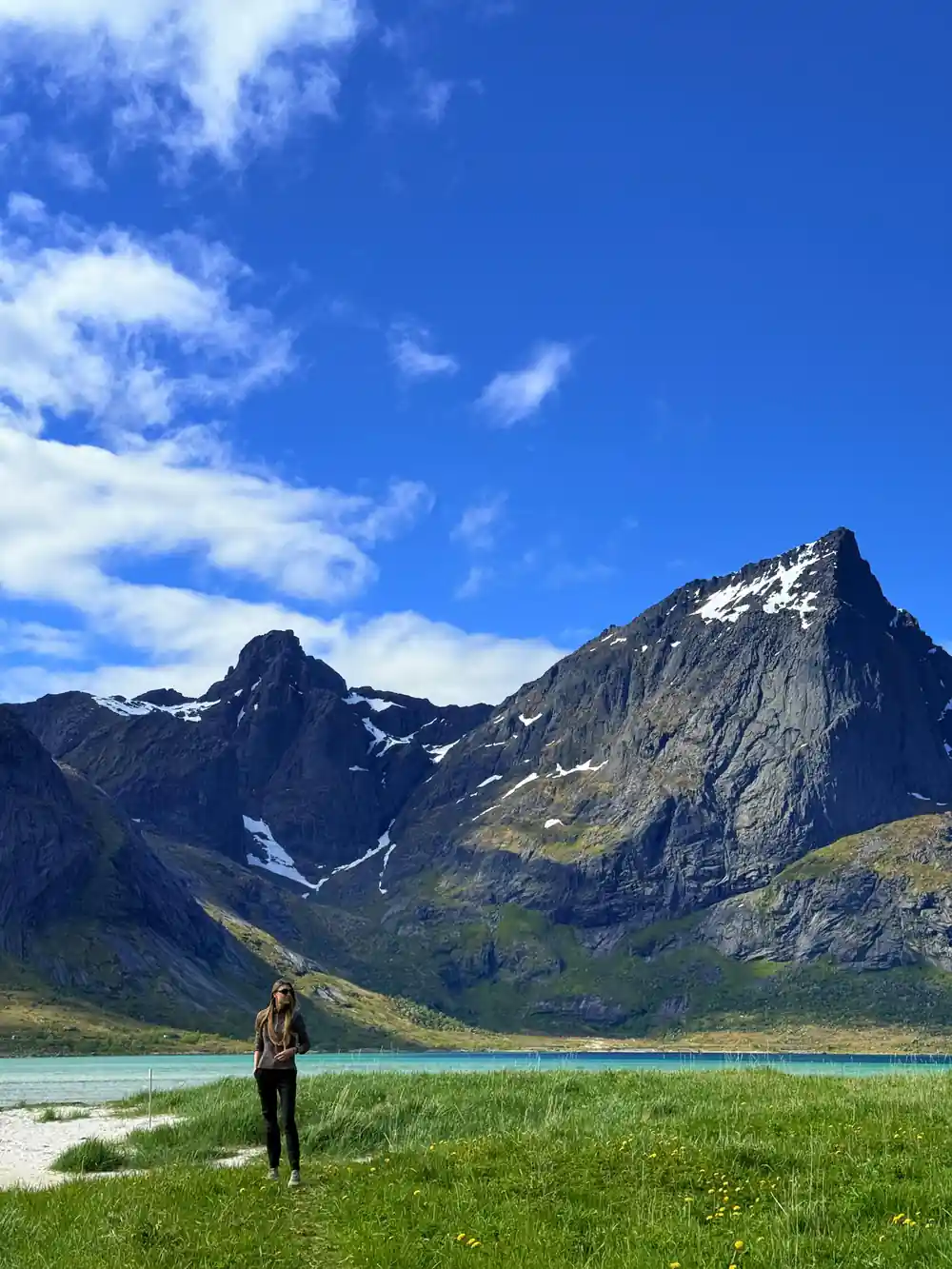
The dramatic vertical geography of Lofoten Islands, where Reinebringen and neighboring peaks surge 400-600 meters from near sea level, stems from the region's geological history. During the last ice age, massive glaciers carved deep fjords and valleys, then retreated leaving steep mountainsides. The islands sit where the Lofoten Ridge rises from the ocean floor, creating a compressed landscape where you can stand on a beach and look straight up at bare rock and mountain wall. This collision of sea and stone, without foothills or gradual slopes in between, gives Lofoten its singular appearance and makes peaks like Reinebringen visible from 10 kilometers away.
The mountains that tower directly over Reine and Sakrisøy represent this geology at its most extreme. From Reine village, you see nearly 450 meters of vertical relief within a few hundred meters of horizontal distance. Sakrisøy, sitting on an island surrounded by deep water, has similar peaks that seem to explode from the waterline. This steep terrain is why the region challenges hikers and climbers, why avalanches occur in winter, and why the Sherpa-built stone steps were necessary to create a safe passage. The very geology that makes Lofoten visually stunning also shapes which areas can be safely explored and when.
Beyond Reine: Bunes Beach and Ferry-Only Access
For travelers willing to venture beyond the main tour villages, Bunes Beach sits on the northern coast of Moskenesøya island, reachable only by hiking or boat. Bunes is across Reinefjorden from Reine: you take the ferry to Vindstad and walk about an hour over a low pass to a remote beach backed by dramatic cliffs. Your day tour does not include this hike, as it would consume the entire remaining schedule, but it represents the kind of deeper Lofoten Islands climbing and exploration possible for visitors extending their stay. The Reine to Bunes Beach ferry option exists in summer months, offering a scenic water journey and access to the beach without the full hiking commitment, though this would require arranging separately from your tour.
Other beaches and valleys beyond immediate reach of the main road follow similar patterns: they reward those with time, fitness, and local knowledge. Your guide can provide directions and realistic time estimates for what you might explore independently before or after your tour day. The tour's 9-hour schedule with stops at 7 different locations keeps you moving across Lofoten's breadth, introducing the major villages and viewpoints. Those captivated by the landscape can return to hike deeper into the terrain, explore high passes, or take boat tours into the fjords that separate the islands.
Making the Most of Your Day in Lofoten
Your tour balances movement with rest, scenic driving with guided exploration, and views with the chance to walk the land itself. The 9-hour day unfolds at a relaxed pace that allows about half an hour at the major stops like Reine and Å i Lofoten, versus quick photo stops at particularly photogenic spots. You'll learn the local history and geography from a guide who actually lives in the islands, not someone passing through seasonally. The comfortable minivan accommodates only 9 people, preserving the small-group experience and allowing flexibility in pace and route if conditions or interests warrant adjustment. Pickup and drop-off in either Svolvær or Leknes, combined with the included local guide, hot beverages, and a meal break, structure the day so you can focus on experience rather than logistics. Whether you're drawn to the villages' architecture, the mountain views, the fishing heritage, or simply the raw landscape, the tour introduces you to Lofoten's character and gives you the foundation to explore more deeply if you return.
Ready to explore? Book your Lofoten day trip
from US$209Reserve now & pay later